How Long to Oven Roast Asparagus
You can turn asparagus from crisp to mush faster than you’d think when oven roasting asparagus. At 400°F, you’ll usually roast thin spears in about 8 minutes, medium ones in 12 to 15, and thick stalks in 15 to 20.
But the real trick starts with how you prep and season them. Get the timing wrong by just a few minutes, and the difference is obvious—so keep going to see how to judge the exact moment they’re done.
Key Takeaways
- Roast asparagus at 400°F for 10–15 minutes for the best balance of tenderness, color, and speed.
- Check pencil-thin spears around 8 minutes, medium spears at 12–15 minutes, and thick spears at 15–20 minutes.
- Rinse, dry, trim woody ends, and arrange asparagus in a single layer before roasting.
- Use olive oil, salt, and pepper, then add garlic, lemon zest, herbs, or Parmesan for extra flavor.
- It’s done when stalks are fork-tender with bright green color and lightly browned tips, not limp.
How Long to Oven Roast Asparagus?
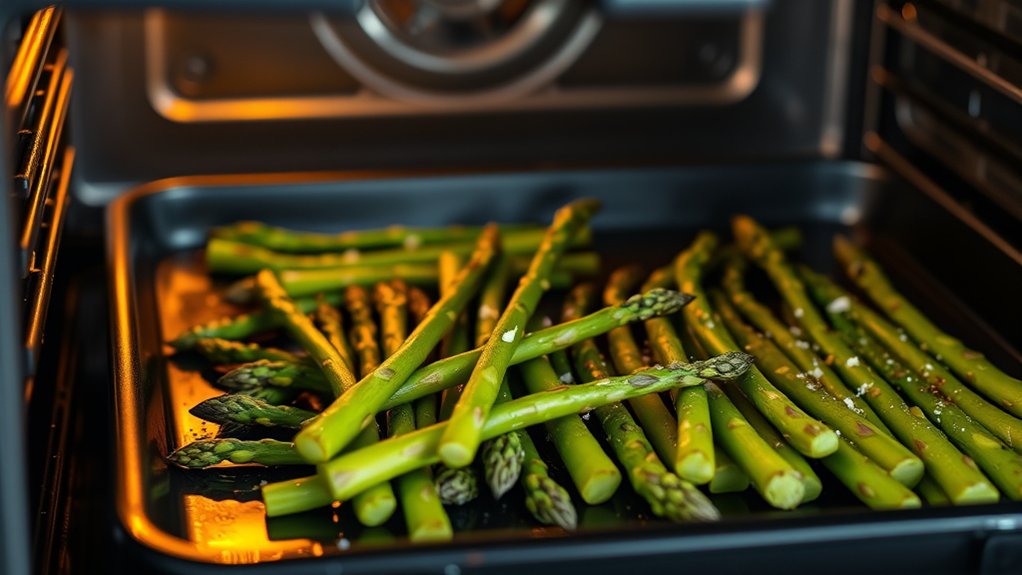
How long you oven roast asparagus depends on the thickness of the spears, but most asparagus cooks in 10 to 15 minutes at 400°F. You should use thinner spears if you want a softer texture and thicker spears if you want more bite.
Trim the woody ends first, then spread the stalks in a single layer so they cook evenly. Toss them with oil and salt, and roast until the tips crisp and the stalks turn bright green and tender.
Check them at 8 minutes if you’re using pencil-thin asparagus, and start checking thicker spears at 12 minutes. This timing reflects asparagus history and roasting science: quick heat softens the fibers while preserving flavor.
Pull the pan once a fork slides in easily, because overcooking makes asparagus limp. If you want a little char, leave it in just a minute longer.
What Temperature Is Best for Asparagus?
For the best roasted asparagus, set your oven to 400°F. This temperature gives you tender stalks with browned tips and a bright, fresh center. It’s hot enough to encourage quick caramelization, so you get flavor without drying out the vegetables.
If you prefer softer asparagus, you can drop to 375°F, but you’ll need a little more kitchen timing to avoid overcooking. If you want extra browning, 425°F works too, though you should watch it closely.
At 400°F, asparagus also pairs well with unexpected flavor pairings like lemon zest, Parmesan, chili flakes, or toasted sesame oil. The moderate heat helps those seasonings bloom without burning.
For most ovens, this is the most reliable setting because it balances texture, color, and speed. When you’re aiming for simple, consistent roasted asparagus, 400°F is the best temperature to use.
How to Prep Asparagus for Roasting
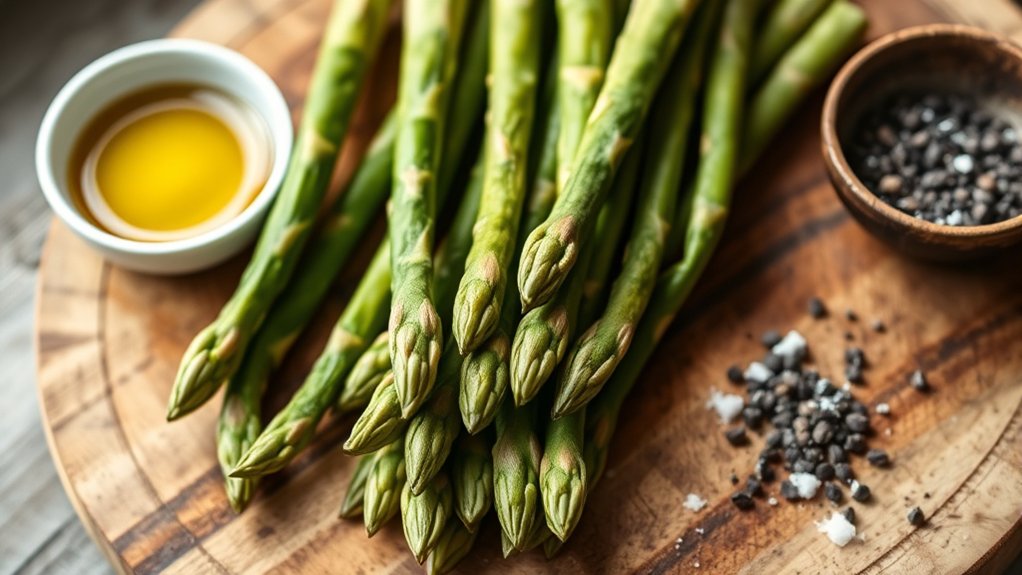
Start by rinsing the asparagus under cool water and patting it dry so the spears roast instead of steam. Next, trim off the woody ends; you can snap one spear to find the natural break, then cut the rest to match.
If you’re practicing asparagus picking, choose firm stalks with tight tips and smooth skin, since fresher spears need less trimming and cook more evenly.
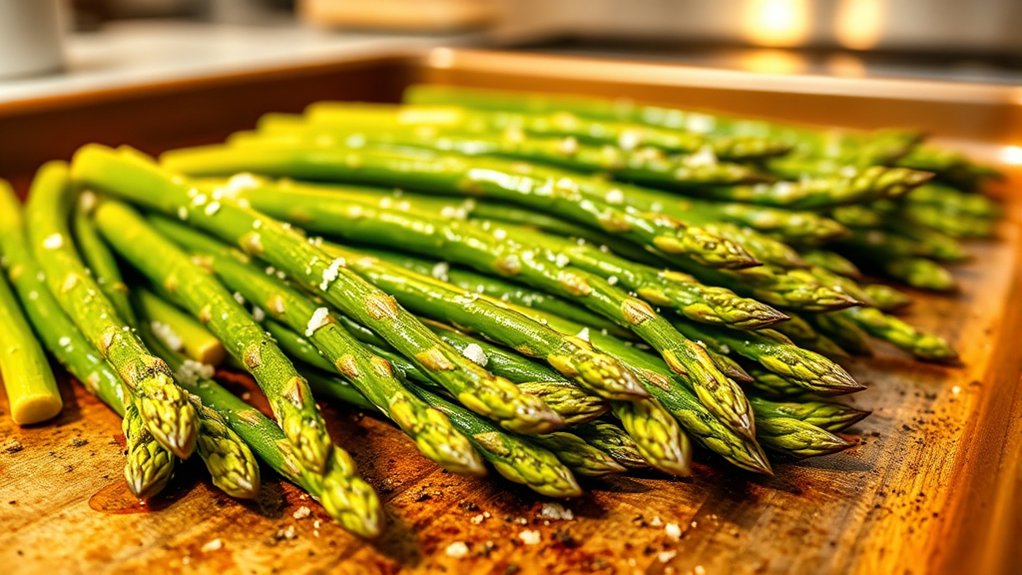
Spread the asparagus in a single layer on a baking sheet, leaving space between each piece so hot air can circulate. Drizzle with oil, then toss to coat lightly; too much oil can make the spears soggy instead of crisp.
Season with salt and pepper, and add garlic, lemon zest, or herbs if you like. Keep the prep simple, because clean, dry, evenly coated asparagus roasts well and avoids roasting braises.
Roasting Times for Thin, Medium, and Thick Spears
Thin asparagus usually roasts in 8 to 10 minutes, medium spears in 12 to 15 minutes, and thick spears in 15 to 20 minutes at 400°F. Use these ranges as your baseline, then check early if your oven runs hot.
Your roasting time shifts with thickness differences because thinner stalks lose moisture faster and soften sooner, while thicker ones need more heat to turn tender without staying raw in the center. Arrange spears in a single layer so they roast evenly, and keep them close in size on the same pan when you can.
Start checking at the low end of the range: the tips should look lightly browned, and the stems should give slightly when pierced with a fork. If you want firmer asparagus, pull it sooner. If you want a softer result, give it a minute or two longer, but don’t walk away.
How to Season Oven-Roasted Asparagus
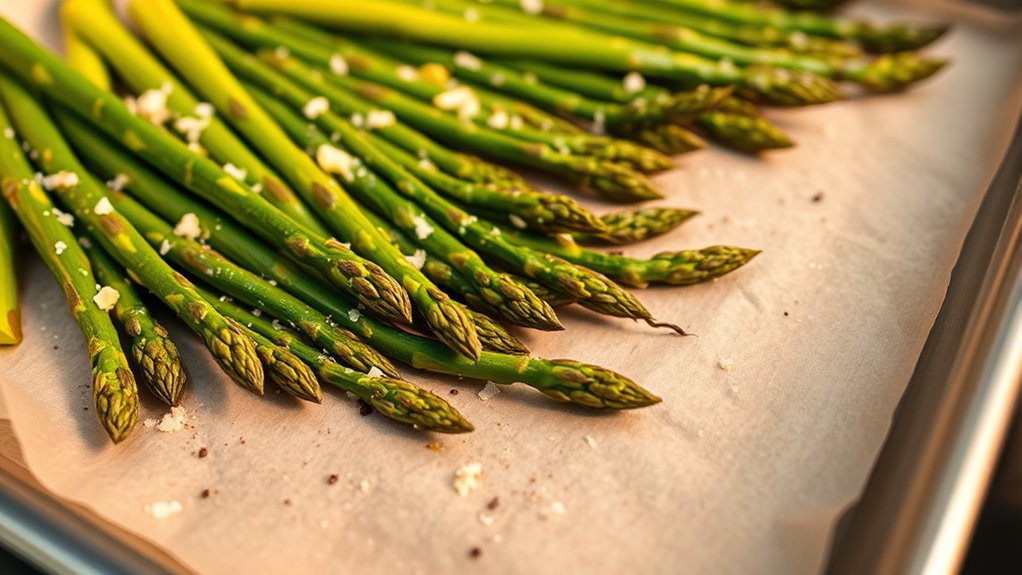
You can keep oven-roasted asparagus simple with olive oil, salt, and black pepper, which brings out its natural flavor without overpowering it.
If you want more depth, add garlic, lemon zest, Parmesan, or red pepper flakes before roasting. A light, even coating helps the spears season well and roast up crisp and flavorful.
Simple Seasoning Basics
For simple, well-balanced roasted asparagus, toss the spears with a little olive oil, kosher salt, and black pepper before they go into the oven. Use just enough oil to coat them lightly, so they roast instead of steam.
Spread them in a single layer on the pan, and don’t crowd them. If the spears are thin, use a lighter hand with salt; thicker spears can handle a bit more.
Keep the seasoning basic so the vegetable’s natural flavor stays front and center. If you’re planning discussion ideas for dinner, this straightforward approach fits easily into almost any menu.
Save unrelated topic variations for another meal, because this method works best when you keep it clean, simple, and consistent every time.
Flavor Boosting Add-Ins
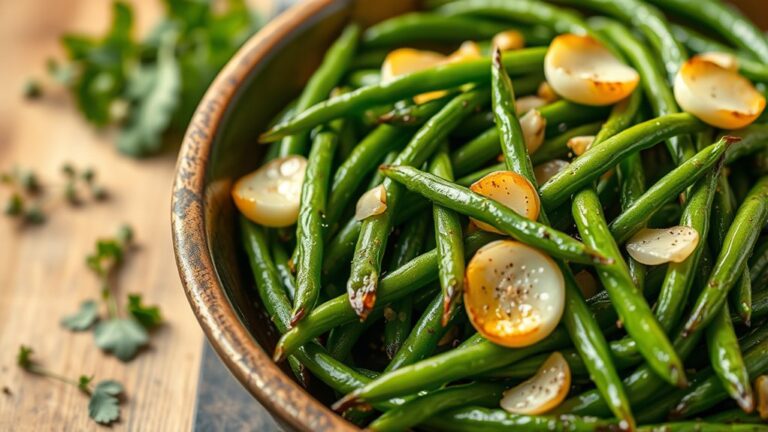
Want to add more flavor to roasted asparagus without overpowering it? Start with a light drizzle of olive oil, then finish with lemon zest for brightness. Add minced garlic during the last few minutes so it won’t burn.
You can also sprinkle grated Parmesan after roasting for a salty, savory edge. If you like heat, try red pepper flakes, but use just a pinch. Fresh herbs such as dill or parsley work well because they stay clean and fresh.
For extra depth, add toasted almonds or pine nuts for crunch. A touch of balsamic glaze can balance the asparagus’s natural bitterness. Keep add-ins simple so you taste the vegetable first.
Use these flavor boost ideas to season smartly and roast confidently every time.
How to Tell When Asparagus Is Done
How can you tell when roasted asparagus is done? Look for bright green spears with lightly browned tips and a crisp-tender bite. You should pierce a stalk with a fork; it should give slightly, not collapse.
The asparagus texture should feel tender at the base and firm near the tip. If you like a softer finish, keep roasting a minute or two longer, then check again. Use this quick guide:
| Clue | What you see | What it means |
|---|---|---|
| Color | Bright green | Nearly done |
| Tips | Lightly crisp | Ready |
| Stalk | Fork-tender | Finished |
| Clue | What you feel | What to do |
| Bite | Slight resistance | Serve now |
| Surface | Light browning | Pull it out |
| Leftovers | Warm and tender | Save for later |
For roasting leftovers, cool them fast and refrigerate within two hours.
Common Mistakes When Oven-Roasting Asparagus
Even simple roasted asparagus can go wrong if you overcrowd the pan, skip the oil, or roast it too long. Give the spears space so hot air can circulate; otherwise, they steam instead of brown.
Coat them lightly with oil so they don’t dry out and so the tips crisp properly. Watch the clock closely, because timing confusion is common when spears vary in thickness. Thin stalks may need only 8 minutes, while thicker ones can need 12.
Don’t assume one batch matches the next. Trim woody ends first, or you’ll get stringy bites. Use a hot oven and preheated sheet pan if you want faster, more even cooking.
Avoid lifting the spears too often, since that drops heat and delays browning. These tips pitfalls are easy to avoid once you focus on spacing, oil, thickness, and consistent heat.
Flavor Variations for Roasted Asparagus
A simple roast gives you a great base, and from there you can easily change the flavor with a few additions. Toss the spears with olive oil, salt, pepper, and garlic for a reliable start.
If you want brightness, add lemon zest after roasting, then finish with a squeeze of juice. For richness, sprinkle parmesan or shaved pecorino over the hot asparagus so it melts slightly. You can also try red pepper flakes for heat or a drizzle of balsamic glaze for sweetness.
Good herb suggestions include thyme, dill, parsley, and tarragon; add tender herbs after roasting, and use sturdier ones before. Think about asparagus pairing with foods like salmon, chicken, eggs, and pasta to guide your seasoning.
If you’re serving the spears with steak, use rosemary and black pepper. For a spring side, mint and lemon keep the flavor light and fresh.
Frequently Asked Questions
Can I Roast Frozen Asparagus Without Thawing?
Yes, you can roast frozen asparagus without thawing; just spread it on a hot sheet, add oil, and roast longer.
Skip thawing tips, and you’ll keep better texture, flavor, and faster prep.
Should I Use Parchment Paper or Foil?
Use parchment paper for easier cleanup and better browning; choose foil options if you want faster heat transfer and firmer spears.
You’ll usually get the best results with parchment, but either works well.
Can I Roast Asparagus With Other Vegetables?
Yes, you can roast asparagus with other vegetables; just choose similar-size pieces so they cook evenly. Your roasting technique matters, and smart flavor pairings like cherry tomatoes, carrots, or onions can complement asparagus beautifully.
How Do I Reheat Roasted Asparagus?
Reheat roasted asparagus in a 350°F oven for 5–8 minutes, or use a skillet over medium heat. You’ll want moisture control: avoid steaming it, and add a splash of water only if it’s drying out.
Can I Roast Asparagus Ahead for Meal Prep?
Yes, you can roast asparagus ahead for meal prep. Think of it as a green baton passed early: roast timing should stay brief, and storage prep means cooling it fast, then refrigerating airtight up to 4 days.
Conclusion
So, when you roast asparagus, keep it simple: trim, dry, oil, season, and roast at 400°F until it’s bright green with lightly browned tips. Thin spears may be ready in about 8 minutes, while thicker ones can take up to 20.
I once pulled a tray out too late, and the spears turned limp like overcooked pasta. Check early, pull them while they’re fork-tender, and you’ll get crisp, flavorful results every time.
Mastering how long to oven roast asparagus ensures perfectly cooked spears that are tender yet crisp, making your dish a delicious success every time.