How Long to Cook Enchiladas in Oven
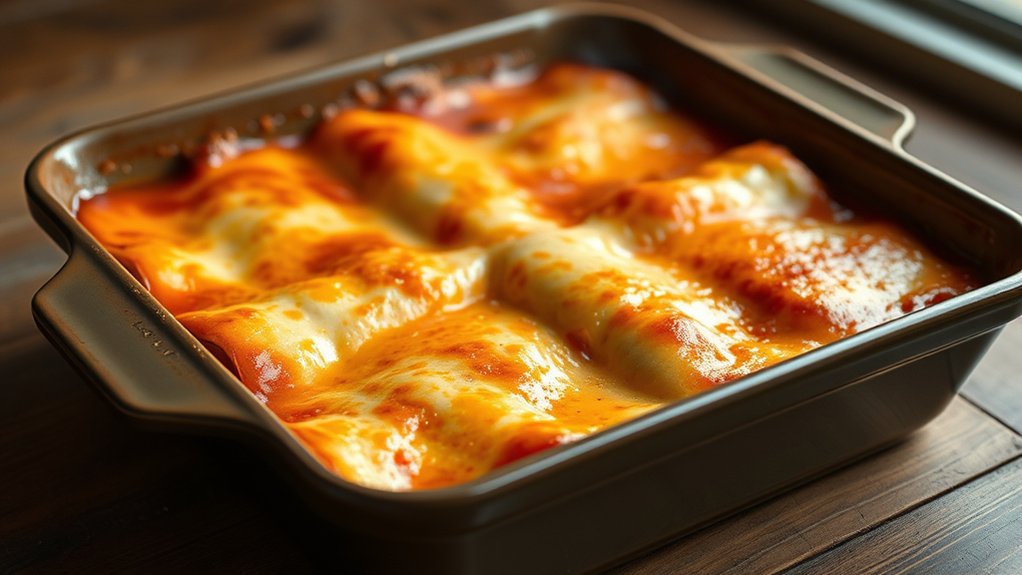
Most enchiladas finish cooking in the oven in just 20 to 30 minutes at 350°F to 375°F, but that timing can vary depending on the filling, sauce, and whether you start from frozen.
You’ll usually cover the dish first, then uncover it near the end so the cheese melts and the top browns lightly.
Get the timing wrong, and you can end up with dry tortillas or a center that’s still cold—so the details ahead matter.
Key Takeaways
- Bake most enchiladas at 350°F to 375°F for 20 to 30 minutes.
- Cover with foil for the first 20 to 25 minutes to prevent excess browning.
- Uncover for the last 5 to 10 minutes so the cheese melts and the top browns.
- Frozen enchiladas usually need 45 to 60 minutes at 375°F, covered for 30 minutes first.
- They are done when the sauce bubbles, cheese melts, and the center reaches safe temperature.
What Temperature Is Best for Enchiladas?
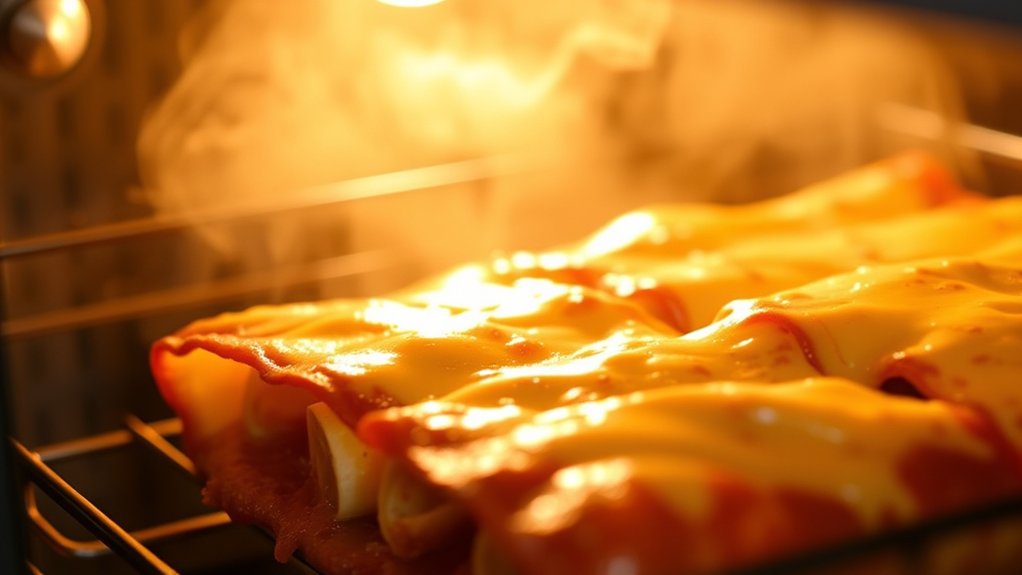
The best oven temperature for enchiladas is usually 350°F to 375°F, since that range heats them through evenly without drying out the tortillas or overcooking the filling. You should choose 350°F for delicate enchiladas with cheese or mild sauces, because it warms everything gently and keeps the texture soft.
Use 375°F when you want a little more browning on top or when your pan is cold from the refrigerator. If you’re working with spicy fillings, this range helps the sauce meld without scorching the peppers or spices.
For tips for crusty tortillas, brush or mist the edges lightly with oil before baking, then choose the higher end of the range for better color. Keep your oven fully preheated so the enchiladas start cooking right away. That way, you get even heating, a balanced sauce, and a satisfying finish every time.
How Long Do You Cook Enchiladas in the Oven?
Most enchiladas bake in 20 to 30 minutes at 350°F to 375°F, just long enough for the filling to heat through and the sauce to bubble at the edges. You should cover the pan with foil for the first half if you want to prevent excess browning, then uncover it for the final minutes to help the cheese melt evenly.
If you’re baking a smaller batch or using warm filling, check closer to 20 minutes; larger, densely filled pans may need the full 30. Match the cook time to your recipe pairing, because chicken, beef, bean, and vegetable fillings vary in density and moisture.
Keep kitchen safety in mind: use oven mitts, set the dish on a stable rack, and let the pan rest briefly before serving. For a crispier top, you can extend baking a few minutes, but don’t overdo it.
How to Tell When Enchiladas Are Done
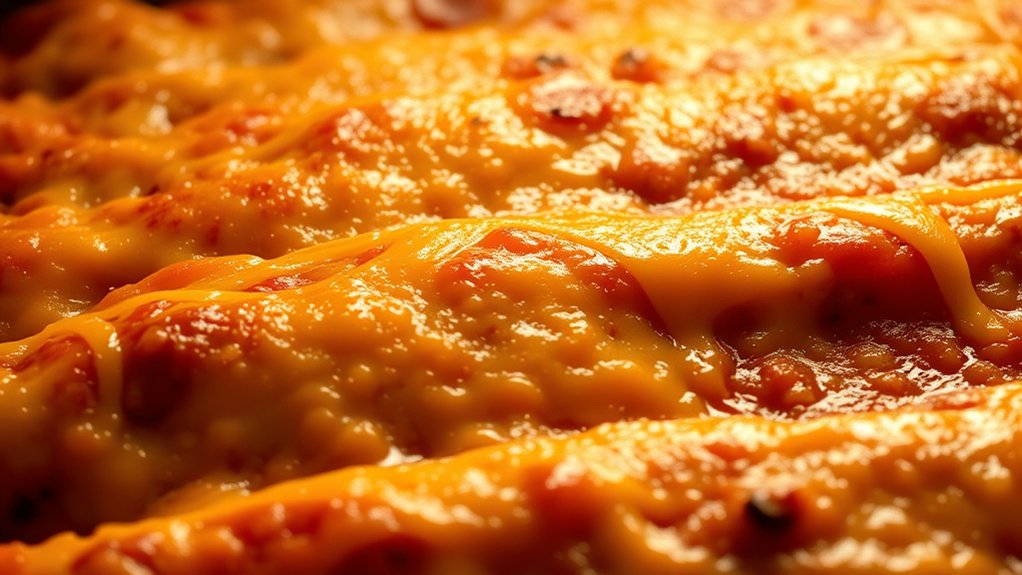
You’ll know your enchiladas are done when the sauce is bubbling, the cheese is fully melted, and the edges look lightly browned. Check that the filling is hot throughout by inserting a food thermometer into the center; it should read 165°F.
If the top looks set and the pan is sizzling, you can pull them from the oven.
Visual Doneness Signs
How can you tell when enchiladas are done? You’ll see the edges bubbling actively and the sauce thickening across the pan. The tortillas should look softened and fully coated, not dry or pale.
Cheese on top should melt into a glossy layer with light browning in spots, while the filling stays neatly tucked inside. If you use red sauce, it should deepen slightly in color; green sauce should look hot and lively, not watery.
Let the dish rest a few minutes so the layers settle before serving. That pause helps you with tips for plating, since cleaner portions look better on the plate. It also preserves spice balance, keeping the sauce concentrated and the flavors clear.
Internal Temperature Check
For the most reliable doneness check, take the enchiladas’ internal temperature at the center of the filling. Insert an instant-read thermometer through the tortilla into the thickest part, avoiding the baking dish.
You want 165°F for chicken or turkey fillings, and at least 160°F for beef or bean mixtures. If the sauce bubbles and the cheese melts but the center still reads low, bake for 5-minute intervals and test again.
| Filling type | Target temp | Texture cue |
|---|---|---|
| Chicken | 165°F | Steaming, firm |
| Beef | 160°F | Hot, cohesive |
| Beans | 160°F | Thick, smooth |
Don’t treat an unrelated topic as an off topic pairing here; accuracy matters more than appearance.
How Long to Bake Frozen Enchiladas
For frozen enchiladas, you’ll usually bake them at 375°F, covered, so the heat can work through the center evenly. Plan on about 45 to 60 minutes, depending on the size and filling.
Uncover them near the end so the cheese melts and the top browns nicely.
Oven Temperature Guide
When you bake frozen enchiladas, set your oven to 375°F for the best balance of even heating and texture. This oven temperature helps the tortillas soften without drying the sauce or overbrowning the top.
If your dish is glass or ceramic, let it sit at room temperature briefly before baking to reduce thermal shock. Cover the pan tightly with foil so steam stays inside and the filling warms gently.
Use this baking technique to protect the edges and keep the cheese from scorching too soon. Place the casserole on the center rack for steady heat circulation.
If you want a firmer top, uncover it near the end of baking so the surface can brown evenly.
Frozen Baking Time
How long do frozen enchiladas need in the oven? Bake them straight from frozen at 375°F for 45 to 60 minutes, depending on their size and filling. Cover the dish with foil for the first 30 minutes so the sauce heats evenly, then uncover to brown the top.
If you use a deep casserole, add 10 extra minutes. Check that the center reaches 165°F before serving.
Follow frozen storage best practices: wrap tightly, label clearly, and freeze in a shallow dish for faster heating. Use these thawing guidelines only if you prefer refrigeration overnight; thawed enchiladas usually need 25 to 35 minutes.
| State | Temp | Time |
|---|---|---|
| Frozen | 375°F | 45–60 min |
| Thawed | 375°F | 25–35 min |
Bake Times for Chicken Enchiladas
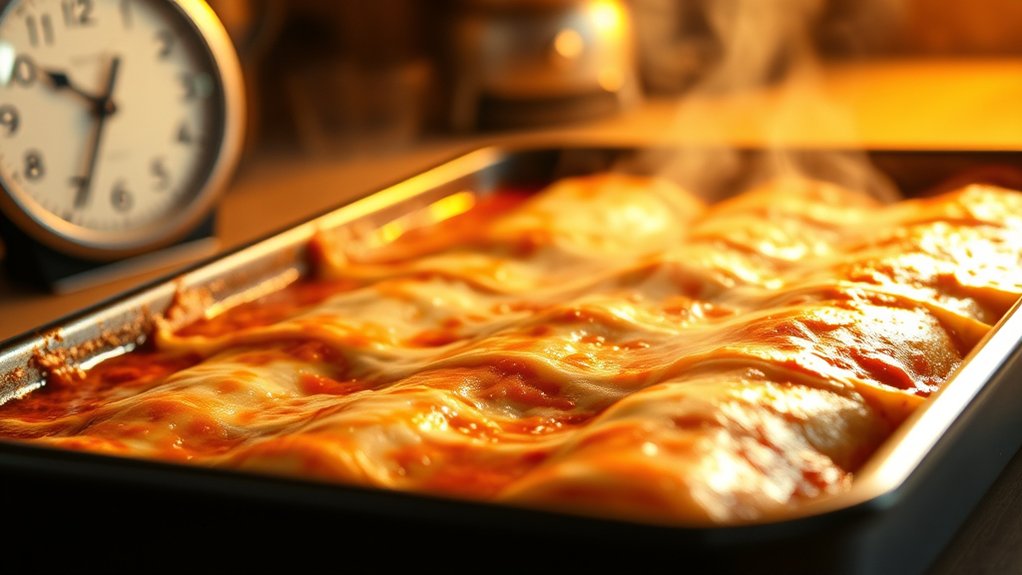
Chicken enchiladas usually bake at 350°F for 20 to 25 minutes, just until the filling is hot and the cheese is melted and bubbling. If you cover the dish with foil for the first 15 minutes, you’ll keep the tortillas moist, then uncover it to brown the top.
Use a baking dish that holds the enchiladas snugly, because loose spacing can dry them out. Check the center with a thermometer; aim for 165°F for fully heated chicken. If your sauce is thick or the enchiladas are chilled, add 5 minutes.
For a standard serving size, plan on two enchiladas per person, especially if you serve rice, beans, or another side dish. Let the pan rest for 5 minutes before serving so the filling sets and slices stay neat. If you want a crisper edge, bake them uncovered the entire time and watch closely near the end.
Bake Times for Beef, Cheese, and Veggie Enchiladas
Beef, cheese, and veggie enchiladas usually need a slightly different bake time, but they still do best at 350°F for about 20 to 25 minutes. You should cover the dish while it heats, then uncover it near the end if you want the top lightly browned.
Beef, cheese, and veggie enchiladas bake best at 350°F for about 20 to 25 minutes, covered first.
Beef enchiladas often need the full range because the filling starts colder and denser. Cheese enchiladas usually finish a little sooner, since the center only needs to melt and heat through. Veggie enchiladas can also fall near the shorter end, especially when you’ve pre-cooked the vegetables.
- Bake beef enchiladas for 22 to 25 minutes.
- Bake cheese enchiladas for 20 to 22 minutes.
- Bake veggie enchiladas for 20 to 24 minutes.
You should check that the edges bubble and the center feels hot before serving. Let the pan rest briefly so the enchiladas hold their shape when you plate them.
How Sauce and Filling Affect Bake Time
The amount of sauce and the thickness of your filling both affect how long enchiladas need in the oven. If you spoon on a generous layer, heat must travel through more moisture, so the center takes longer to get hot. With a thinner coat, the enchiladas warm faster and finish sooner.
Sauce thickness matters too: a rich, reduced sauce heats more slowly than a loose one, so you may need a few extra minutes. You also need to consider filling density. A tightly packed filling, especially with meat, beans, or cheese, holds heat and delays doneness.
A lighter vegetable filling usually bakes quicker. For best results, judge the enchiladas by the filling temperature, not just the top appearance. When the middle is hot and the sauce bubbles around the edges, you’re close to done.
Keep portions even so each enchilada bakes at the same rate and avoids overcooking or drying.
How to Cover Enchiladas While Baking
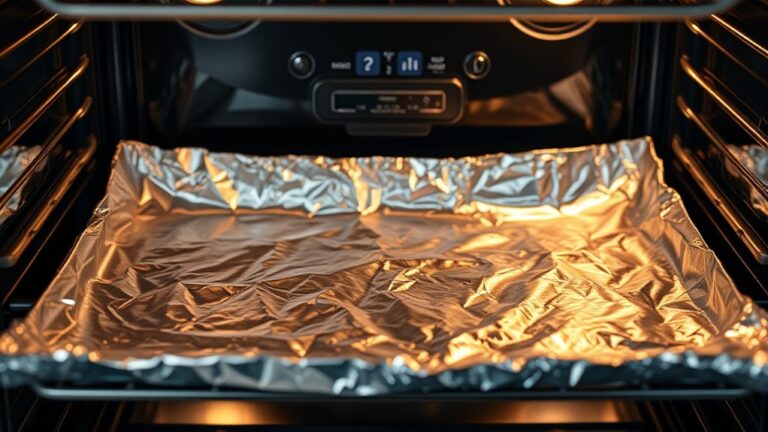
Cover the baking dish with foil for most of the cooking time to trap steam and help the enchiladas heat through evenly. You’ll get tender tortillas and a hot center when you keep the dish covered enchiladas style at the start. Use foil that tents slightly above the cheese so it doesn’t stick.
- Bake covered for the first 20 to 25 minutes.
- Remove the foil for the last 5 to 10 minutes.
- Check that the sauce bubbles at the edges and the cheese melts.
When you switch to uncovered enchiladas, the top browns lightly and the sauce thickens a bit. If you want extra color, leave them uncovered only long enough for the surface to set and the cheese to turn golden. Keep the dish on the middle rack so heat circulates well, and let the enchiladas rest briefly before serving.
Common Enchilada Baking Mistakes
Missed timing is one of the most common enchilada baking mistakes: if you bake them too long, the tortillas can dry out and the cheese can separate, but if you pull them too soon, the center may still be cool. You should also avoid using too little sauce, because dry edges scorch before the filling heats through.
Don’t overload the pan; crowded enchiladas trap steam unevenly and soften the tortillas. If you use tortilla alternatives, check their moisture and baking tolerance, since some need less time or extra sauce to stay tender.
Bake on the middle rack for even heat, and keep foil on until the last few minutes if the top browns too fast. After baking, let the pan rest briefly; proper cooling methods help the filling set and make serving cleaner.
Test the center with a thermometer or a quick cut, so you can finish the dish at the right point every time.
Frequently Asked Questions
Can I Use Corn Tortillas Instead of Flour Tortillas?
Yes, you can use corn tortillas instead of flour tortillas; they make authentic enchiladas. Warm them first so they don’t crack.
For flour tortilla substitution, expect a softer, less traditional result.
Should I Preheat the Oven Before Baking Enchiladas?
Yes you should preheat the oven first. A hot oven is the engine that gets baking enchiladas moving evenly.
You’ll melt cheese, heat fillings, and keep tortillas from turning soggy.
Can I Prepare Enchiladas Ahead of Time?
Yes, you can prepare enchiladas ahead of time. You’ll save prep work by assembling them, then refrigerate or freeze.
For best enchiladas timing, bake from chilled a bit longer; cover tightly to prevent drying.
What Toppings Go Well With Baked Enchiladas?
You’ll crown baked enchiladas like a garden parade: choose sour cream, cilantro, diced onions, avocado, jalapeños, queso, and salsa. Add toppings variety for brightness and texture contrast, then serve immediately for best flavor.
How Do I Reheat Leftover Enchiladas?
You reheat leftover enchiladas in a 350°F oven, covered, for 20–25 minutes, or microwave single portions 2–3 minutes. For freezer storage, thaw first; these reheating methods keep them moist and flavorful.
Conclusion
In the end, you don’t need a culinary pilgrimage to bake enchiladas correctly. Set your oven to 350°F to 375°F, cover them first, then uncover for a final browning like you meant to do that all along. Watch for bubbling sauce and melted cheese, not divine intervention.
Let them rest briefly, because even enchiladas deserve a little dignity. Follow the timer, trust the signs, and you’ll serve a pan that’s hot, tidy, and fully done. Knowing how long to cook enchiladas in the oven ensures a perfect, delicious result every time.