
Can You Boil Oven Ready Lasagna Noodles
Yes, you can boil oven-ready lasagna noodles, but you usually shouldn’t need to. Oven-ready noodles are designed to cook directly in the sauce and oven heat. A short dip in boiling water can soften stubborn sheets, prevent cracking, or help with tighter layering.
However, too much time in water can make the noodles fragile. If you do boil them, use plenty of water, handle them gently, and drain them well. The real trick is knowing when a quick boil helps and when the sauce and oven heat do the job better.
Key Takeaways
- Yes, you can boil oven-ready lasagna noodles, but it’s usually unnecessary.
- Boiling briefly can soften stiff sheets or help noodles fit tighter layers.
- Keep the boil very short; overboiling makes noodles fragile and prone to tearing.
- Oven-ready noodles are meant to soften in the oven from sauce and moisture.
- If you don’t boil them, use enough sauce and cover the pan tightly while baking.
What Oven-Ready Lasagna Noodles Are For
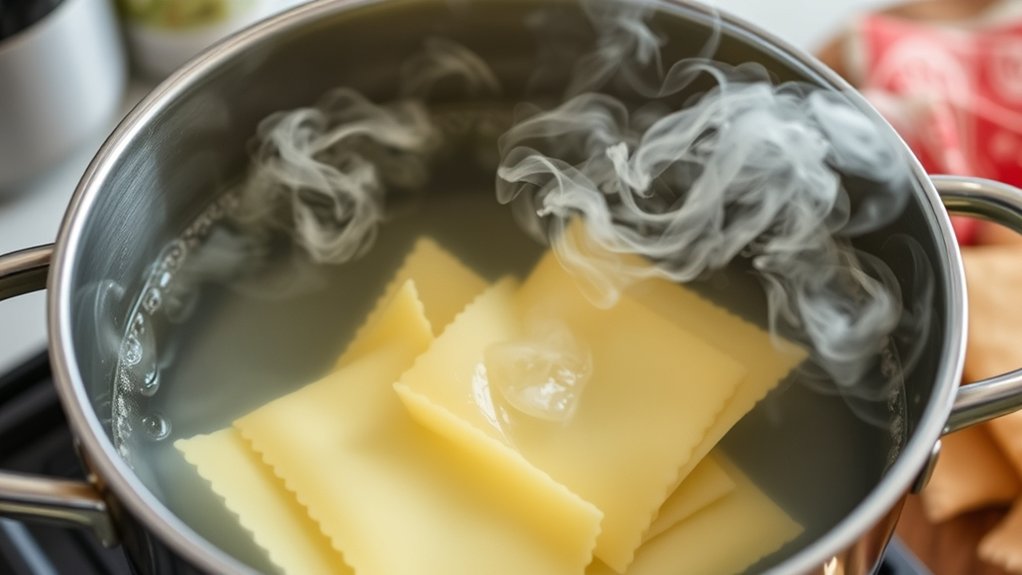
Oven-ready lasagna noodles are made to save you time and effort by going straight into the dish without a separate boiling step. You use them when you want faster prep, fewer pots, and a simpler workflow.
Oven-ready lasagna noodles save time by skipping boiling, making prep faster, simpler, and less messy.
They absorb moisture from sauce as the lasagna bakes, so you can build layers without planning boil timing. That makes them practical for weeknight cooking, meal prep, or any recipe where convenience matters.
You still need enough sauce to hydrate the sheets, and you should spread it evenly so the noodle texture turns tender instead of stiff. These noodles work best when you want predictable results with less hands-on work.
They also help you keep your kitchen cleaner because you skip draining and cooling. If you want a straightforward lasagna method, this format gives you a reliable base without extra steps or guesswork.
Can You Boil Oven-Ready Lasagna Noodles?
Yes, you can boil oven-ready lasagna noodles, but you usually don’t need to. Boiling helps if you want a softer texture, need to separate stuck noodles, or plan to shorten the baking time.
Just keep the boil brief so you don’t make them too fragile to handle.
Boiling Oven-Ready Noodles
Can you boil oven-ready lasagna noodles? Yes, but you usually shouldn’t. These sheets already absorb sauce during baking, so boiling them can change their structure fast.
If you submerge them, watch the boiling noodles closely; they soften quickly and can tear when you lift them. You’ll also notice a texture effect: the noodles lose the firm, sturdy feel that helps them stack neatly in a lasagna.
If you still plan to boil them, use a large pot, plenty of water, and a very short cook time. Then drain them gently and separate each sheet right away. Otherwise, skip the pot and use them dry for cleaner layering and better control over the finished pasta.
When Boiling Helps
Boiling oven-ready lasagna noodles can help when you need extra flexibility, especially if the sheets feel too stiff, crack as you assemble them, or won’t fit a tightly layered pan. You can also boil them briefly when you want softer noodle textures that bake evenly with thick sauce or hearty fillings.
In teen cooking, this shortcut can prevent breakage and make assembly easier for beginners. Keep the boil short, just until the noodles relax, then drain them carefully and layer them while warm.
Don’t overcook them, or they’ll turn mushy after baking. Use this method when your recipe needs a gentler, more forgiving noodle, not when you want firm edges and distinct layers.
What Happens When You Boil Them?
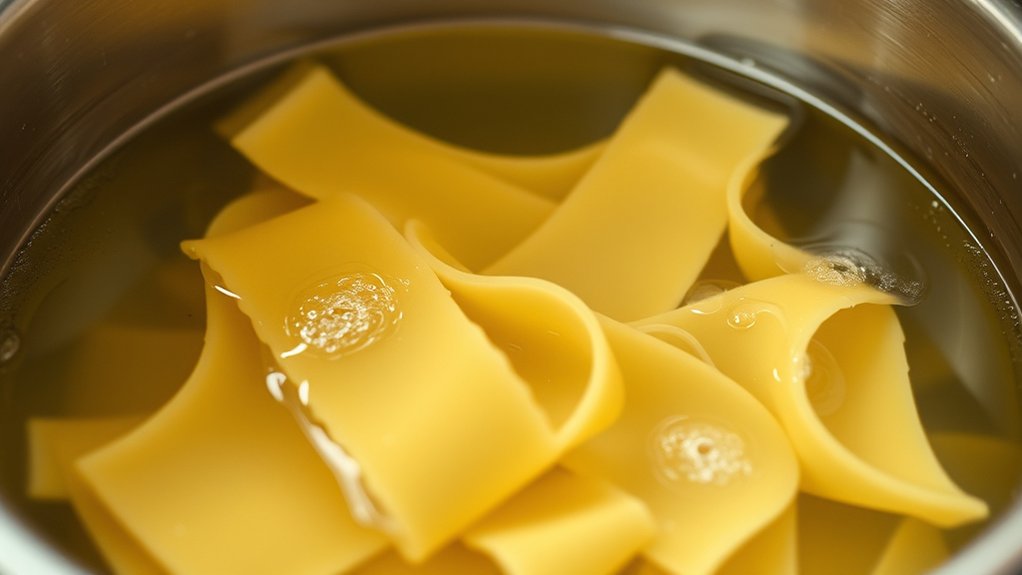
When you boil oven-ready lasagna noodles, they quickly absorb water and soften, but they can turn mushy or stick together if you leave them in too long. These oven noodles weren’t designed for a long simmer, so their texture changes fast once they hit hot water.
You may notice the edges fray, the center becomes fragile, and the sheets lose their firm shape. If you stir too hard, they can tear or fold on themselves. If you overboil them, they can also release extra starch, which makes the water cloudy and increases sticking.
For that reason, you need to watch them closely and test them early. Boiling won’t improve their structure; it usually makes the layers weaker and less easy to handle. Once they soften, lift them out promptly and separate them carefully to avoid clumps before assembling your dish.
When Boiling Them Can Help
A brief boil can help if your oven-ready lasagna noodles feel too stiff to layer cleanly. You might use this when the sheets crack as you handle them or when your pan demands tighter folds and neater edges. A quick dip can also help if you’re assembling a chilled dish and need the noodles to settle faster with sauce and cheese.
Keep the boil short, then drain well so excess water doesn’t thin your filling.
Keep the boil brief, then drain thoroughly so extra water won’t dilute your lasagna filling.
Boiling can also help if you’ve made wrong ingredient pairings, like a dry filling with little sauce, because slightly softened noodles absorb moisture better during baking. Use it sparingly, though. Too much boiling defeats the point of oven-ready pasta.
For better results, check storage tips before you start; stale, brittle noodles often need more care than fresh, sealed ones. If the package looks damaged or the sheets feel fragile, a brief boil may save the batch without changing your recipe.
How to Soften Oven-Ready Lasagna Noodles Without Boiling
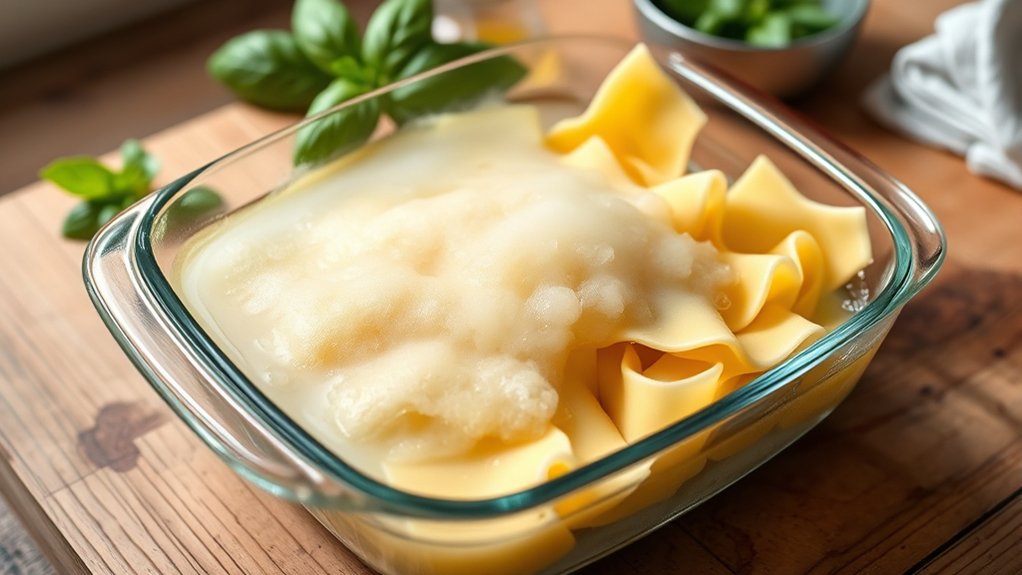
You can soften oven-ready lasagna noodles without boiling by using a moisture-rich sauce, since it helps the noodles absorb liquid as they bake.
If you need quicker results, you can also soak them briefly in hot water, but don’t let them get too soft. After you layer them, cover the dish and let it rest so the trapped steam finishes the job.
Moisture-Rich Sauce
How do you soften oven-ready lasagna noodles without boiling them? Use a moisture-rich sauce that gives the sheets enough liquid to absorb as they bake. You should spread sauce on the pan, then coat each noodle layer generously so the pasta never sits dry.
A slightly thinner tomato sauce, meat sauce, or béchamel helps because the noodles pull in steam and liquid during baking. This isn’t about irrelevant moisture or noodle chemistry; it’s about even coverage and steady heat.
Keep the sauce warm, ladle it edge to edge, and press noodles lightly into it. If you build with enough sauce, the noodles soften fully while the lasagna cooks, and you won’t need to pre-boil them.
Hot Water Soak
Soak oven-ready lasagna noodles in hot water for a few minutes to soften them before layering. Use a large bowl or baking dish, and make sure the noodles stay fully submerged.
Keep the hot water hot, but don’t let it boil; you just want enough heat to relax the pasta. Check the noodles after 3 to 5 minutes. They should bend easily without cracking.
Lift them out one at a time, then pat off excess water so they don’t add extra moisture to your dish. This method helps you handle oven ready noodles more easily and reduces breakage during assembly.
Work quickly, since the softened noodles can stick together if they sit too long.
Covered Resting Time
Letting oven-ready lasagna noodles rest under a cover of hot liquid softens them without boiling. After you pour the sauce or hot water over the noodles, cover the dish tightly and let it sit so steam and heat penetrate evenly.
This covered resting step usually takes 15 to 20 minutes, depending on noodle thickness and brand. Don’t rush it; the noodles need time to absorb moisture and relax.
Check one edge before assembling. It should bend without cracking but still hold shape. If it feels stiff, give it a few more minutes.
Proper covered resting improves lasagna texture, helping the layers bake tender instead of dry or brittle. You’ll get better sliceability and a more cohesive final dish.
How to Layer Oven-Ready Lasagna
Start by spreading a thin layer of sauce on the bottom of your baking dish so the noodles don’t stick. Then place oven-ready noodles in a single layer, slightly overlapping the edges only if needed. You don’t need a boil technique here; the noodles will soften in the oven and keep a firm noodle texture.
Add a measured layer of ricotta or filling, then a light sprinkle of cheese, and repeat the stack until you reach the top. Keep each layer even so heat moves through the dish consistently. Finish with sauce and a generous cheese topping to protect the noodles from drying out.
- Sauce on the bottom
- Noodles in one layer
- Filling spread evenly
- Repeat layers neatly
- Sauce and cheese on top
Common Mistakes With Oven-Ready Noodles
A common mistake is treating oven-ready lasagna noodles like regular pasta, which leads to mushy or uneven layers. You don’t need to boil them, and you shouldn’t soak them longer than the package suggests. If you cook them first, they can tear, stick together, or break apart during assembly.
Another error is using too little sauce, because these noodles rely on moisture from the dish to soften properly. You also want to avoid dry fillings that leave the edges tough. Don’t overlap sheets excessively, or the center may stay firm while the edges overcook.
For gluten free or keto friendly versions, check the package carefully, since some products behave differently and need tighter handling. Measure portions accurately, keep the layers even, and match the noodle type to your recipe. Small mistakes with oven-ready noodles can change the final texture fast.
How to Improve Texture and Flavor
To improve texture and flavor, build enough moisture into the dish so the noodles soften evenly without turning soggy. You can do that by spreading sauce under each layer, then adding a thin coat over the noodles. This gives you better texture enhancement and helps the pasta cook through in the oven.
Use a sauce with enough body to cling, not run off. For flavor balancing, season each component lightly instead of relying on the final layer alone. Add salt, herbs, garlic, and a little cheese between layers so every bite tastes complete.
- Use a slightly looser sauce for better absorption.
- Cover the pan tightly for most of the bake.
- Add ricotta or béchamel for creaminess.
- Mix in cooked vegetables for moisture and depth.
- Rest the lasagna before slicing so it sets cleanly.
If the top browns too fast, tent it with foil. Add fresh basil or parmesan at the end for a sharper finish.
Frequently Asked Questions
How Long Do Oven-Ready Lasagna Noodles Stay Fresh Unopened?
Unopened oven-ready lasagna noodles usually stay fresh for 1–2 years if you keep them in cool, dry oven storage.
Check the package date, and you’ll judge freshness duration best by the label and packaging integrity.
Can Oven-Ready Noodles Be Used in Cold Pasta Dishes?
Yes, you can use oven ready noodles in cold pasta, but you’ll need to cook and cool them first. They won’t soften properly raw.
Slice, boil briefly, drain well, chill, then toss with dressing and vegetables.
Do Different Brands Require Different Baking Times?
Yes, different brands often need different baking times, like clocks set to slightly different rhythms.
You should check the package, then adjust for sauce thickness, pan depth, and oven performance so your lasagna cooks evenly.
Are Oven-Ready Noodles Gluten-Free?
You’ll find some oven-ready noodles are gluten free, but not all. Check labels carefully, because brand variations matter.
You can’t assume every product fits your diet, so verify ingredients and allergen statements before buying.
Can You Freeze Lasagna Before Baking It?
Yes, you can freeze lasagna before baking it. Freeze it tightly wrapped, then bake straight from frozen or thawed.
Ignore boiling myths; use texture tricks like slightly undercooking noodles and adding extra sauce.
Conclusion
So, yes—you can boil oven-ready lasagna noodles, but you usually don’t need to. A quick dip can help them relax, though too much heat can leave them a little fragile.
Most of the time, a generous sauce and a short rest do the real work for you. If you handle the sheets gently and bake with care, you’ll get a smoother, more forgiving lasagna without making the noodles work overtime.
In conclusion, while boiling oven-ready lasagna noodles is possible, it’s often unnecessary for a delicious and well-textured dish.