Can You Cook Steak in the Oven
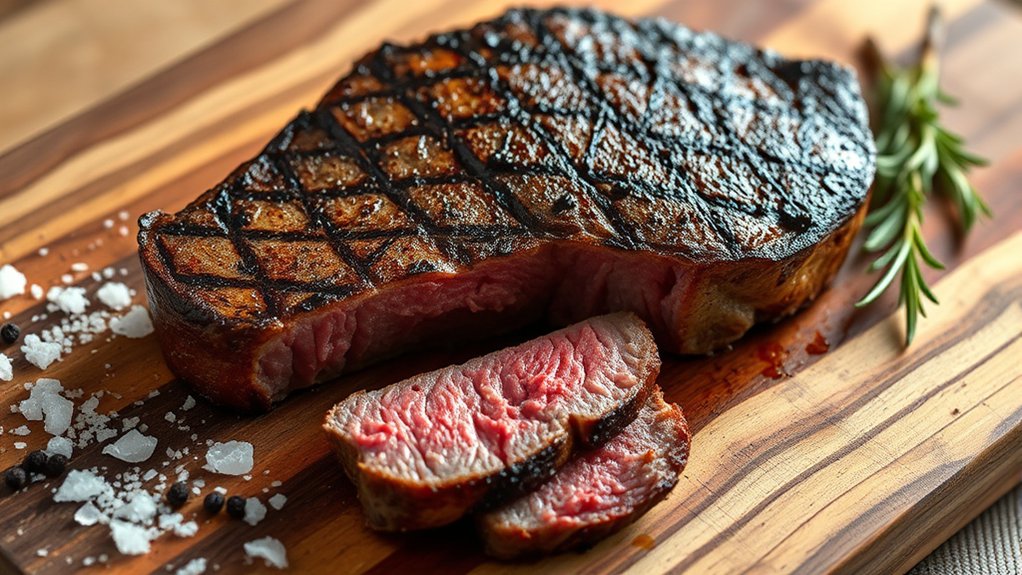
Yes, you can cook steak in the oven, and you don’t need a grill to get a good result. Cooking steak in the oven is a convenient method that delivers delicious flavor and texture. You sear the steak first for flavor, then finish it in a hot oven until it reaches your target doneness.
The cut you choose, the way you prep it, and the timing all matter more than you might think. These factors are especially important if you want a tender center and a proper crust. Following these steps will help you achieve a perfectly cooked steak every time.
Key Takeaways
- Yes, steak can be cooked in the oven, especially with high heat and a hot skillet for searing.
- Sear the steak first, then finish in a 375°F to 450°F oven for a better crust and even cooking.
- Ribeye and strip steaks work best, while leaner cuts need careful timing and thermometer checks.
- Pat the steak dry, season simply with salt and pepper, and avoid crowding the pan.
- Rest the steak 5 to 10 minutes after cooking, then slice against the grain for juicier results.
How to Cook Steak in the Oven?
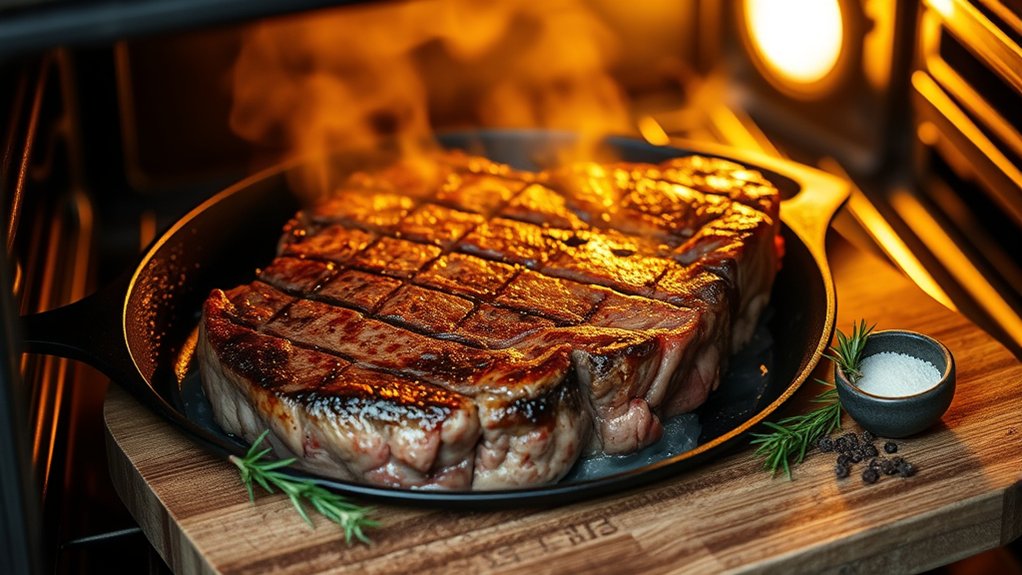
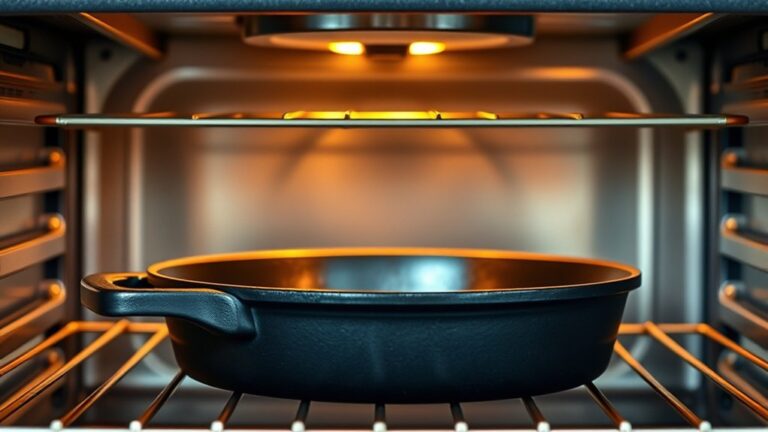
Yes, you can cook steak in the oven, and the key is to use high heat and proper timing. Start by preheating your oven to 450°F and placing an oven-safe skillet inside if you want a strong sear.
Pat the steak dry, then season it well with salt and pepper. Heat the skillet on the stovetop, add a little oil, and sear the steak for 1 to 2 minutes per side.
Transfer the pan to the oven and roast until it reaches your target internal temperature. Use a thermometer, because kitchen chemistry matters: carryover heat will keep cooking the meat after you remove it.
Rest the steak on a plate for 5 to 10 minutes so the juices redistribute. For oven safety, always use dry mitts, handle the hot pan carefully, and confirm the skillet is rated for oven use.
Best Steak Cuts for the Oven
For oven cooking, you’ll get the best results with ribeye and strip cuts because their marbling keeps them juicy under high heat.
If you want a leaner, more tender option, choose tenderloin or sirloin and watch the cook time closely. These cuts respond well to oven roasting when you season them properly and avoid overcooking.
Ribeye And Strip Cuts
Ribeye and strip steaks are two of the best cuts for oven cooking because they stay tender, develop deep flavor, and handle high heat well. You’ll get the best results when you choose well-marbled ribeye or a firm, evenly thick strip steak.
Pat the meat dry, season it generously, and let it sit briefly so the salt can penetrate. If you want extra insurance, use light tenderization techniques like salting ahead or a brief rest at room temperature.
In the oven, these cuts respond well to intense roasting and finish beautifully after a quick sear. Keep flavor pairings simple: butter, garlic, thyme, rosemary, and cracked pepper complement their beefy character without masking it.
Tenderloin And Sirloin
Tenderloin and sirloin both work well in the oven, but for different reasons: tenderloin cooks quickly and stays exceptionally tender, while sirloin offers a leaner, beefy bite that benefits from careful heat control. You should match your method to the cut and thickness, then watch internal temperature closely.
| Cut | Oven Tip |
|---|---|
| Tenderloin | Use high heat, short cook time |
| Sirloin | Start hot, then finish gently |
| Tenderloin prep | Trim silver skin and tie evenly |
| Sirloin timing | Pull early for medium-rare |
| Doneness | Rest before slicing |
For tenderloin prep, season simply and roast until just rosy. For sirloin timing, use a thermometer and avoid overcooking. Both cuts reward precision, so don’t guess.
How to Prep Steak for Oven Cooking
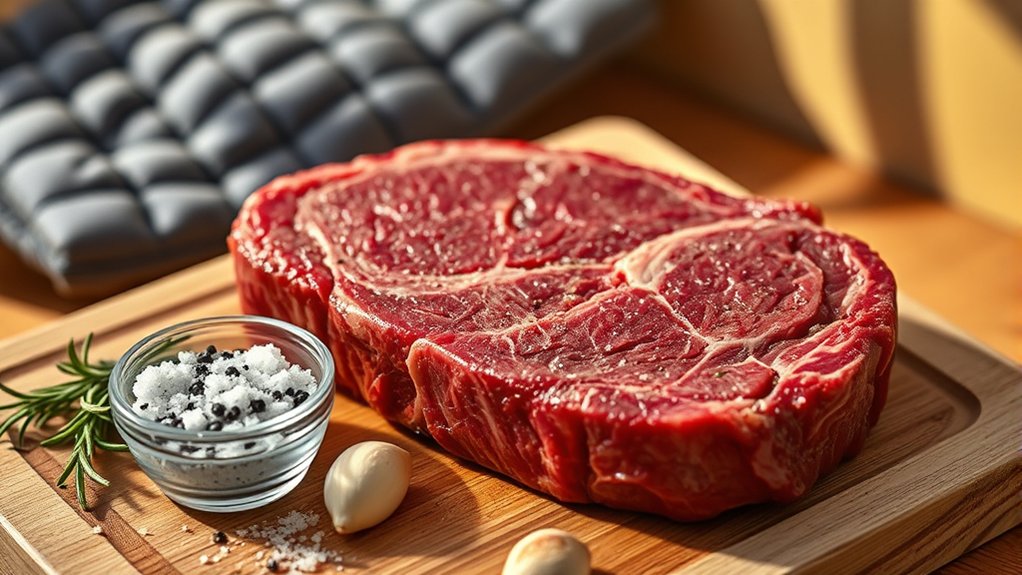
Before you heat the oven, pat the steak completely dry with paper towels so the surface can brown properly. Set the steak on a plate and let it sit at room temperature for about 20 to 30 minutes; this prep timing helps it cook more evenly.
Season both sides generously with salt and pepper, or use a simple seasoning mix if you want extra flavor without masking the beef. Press the seasoning in lightly so it adheres.
If the steak has thick surface moisture or excess fat, trim it now, but leave enough fat for flavor. Use a rimmed tray or oven-safe rack so air can circulate around the meat.
Check the steak’s thickness before you cook it, because thicker cuts need more even prep and careful handling. Once seasoned, cook it soon after resting; don’t leave it out for too long.
Should You Sear Steak Before Baking?
Yes, searing steak before baking is usually the best way to get a flavorful crust and a better overall texture. You should treat the pan as the flavor-builder and the oven as the gentle finisher. In the sear vs bake debate, searing wins for browning because high heat triggers the Maillard reaction, which deepens taste fast.
Then oven finishing helps you cook the center more evenly without burning the exterior.
Use this approach:
- Pat the steak dry so it browns, not steams.
- Sear it hard in a hot skillet with a little oil.
- Move it to the oven to finish cooking through.
This method gives you control, better color, and less gray banding near the edges. If you skip the sear, you can still bake steak, but you’ll lose crust and complexity. For the best result, sear first, then finish in the oven.
Steak Oven Times and Temps
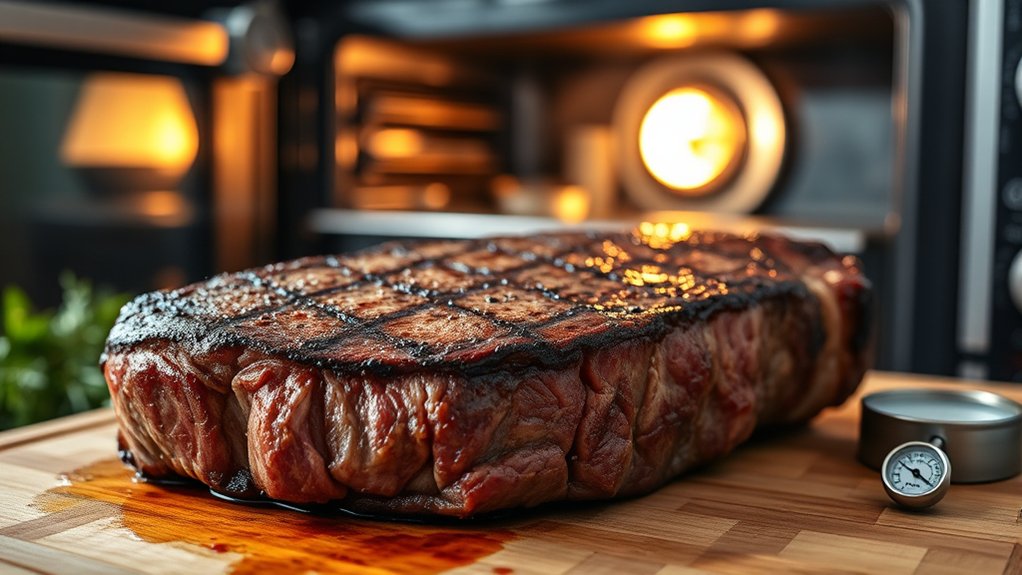
To cook steak in the oven, set the temperature based on your cut and desired finish, then adjust the timing to match the steak’s thickness. A thinner steak cooks faster, while a thicker steak needs more time at a steady heat to reach the center properly.
Use a doneness temperature chart to pull the steak at the right internal temperature for rare, medium-rare, medium, or well-done.
Oven Temperature Guide
For the best oven results, preheat to 375°F for a balanced roast that cooks steak evenly without drying it out. Use this idea1-driven temperature guide and idea2 approach to match doneness with precision.
- 375°F: Best for steady, even cooking and dependable browning.
- 400°F: Use when you want a slightly faster finish with firmer edges.
- 450°F: Choose for a hard sear finish, but watch closely to avoid overcooking.
Place your steak on a rack or hot skillet, then check internal temperature with a thermometer. Pull it early, because carryover heat continues cooking after it leaves the oven. You’ll get better control, better texture, and more consistent results when you follow the temperature, not guesswork.
Steak Thickness Timing
How long should you bake steak in the oven? Use thickness to set your timing. For a 1-inch steak, cook about 8 to 10 minutes in a hot oven; a 1.5-inch steak needs 10 to 14 minutes; a 2-inch steak often needs 14 to 18 minutes.
Thicker cuts need more time because heat moves inward slowly. Always use a skillet first if you want a crisp crust, then finish in the oven. Modern equipment helps you hold steady heat, so your results stay consistent.
Adjust slightly for different flavors and the cut’s fat content, but keep your focus on thickness. Remove the steak from the oven promptly, then rest it so the juices settle and the texture stays tender.
Doneness Temperature Chart
Use a doneness temperature chart to pair steak oven times with the exact level you want, because internal temperature matters more than minutes alone. Insert a thermometer into the thickest part, then compare the reading to your doneness chart. For oven safety, pull the steak early; carryover heat will raise the temperature as it rests.
- Rare: 120°F to 125°F, cool red center.
- Medium-rare: 130°F to 135°F, warm red center.
- Medium: 140°F to 145°F, warm pink center.
If you want well-done, keep baking until 160°F or higher, but expect less juiciness. Rest your steak 5 to 10 minutes so juices redistribute and the final temperature settles accurately. Use this method every time, and you’ll control steak oven times with confidence.
How Do You Check Steak Doneness?
The most reliable way to check steak doneness is with an instant-read thermometer inserted into the thickest part of the steak, away from bone and fat. For the best results, pull the steak from the oven a few degrees before your target temperature, since carryover heat can raise it slightly.
If you don’t have a thermometer, use touch only as a backup: a rare steak feels soft, medium-rare feels springy, and well-done feels firm. Keep your oven check simple by opening the door briefly and avoiding repeated probing, which can release heat and disrupt cooking.
You can also compare the surface color and juice level with doneness ideas, but don’t rely on them alone. Check early and often as the steak nears the end of cooking, because thickness, starting temperature, and oven performance all affect timing.
For precision, always measure the center, not the edge, and record what works for your next cook.
Why Let Steak Rest After Cooking?
Resting lets the steak finish gently and keeps the juices where you want them inside the meat, not on the cutting board. When you pull steak from the oven, carryover heat keeps cooking the center for a few minutes, so the temperature evens out without overcooking the edges.
If you slice too soon, those juices rush out and the texture turns drier. For resting beef, place it on a warm plate or cutting board and let it sit undisturbed.
- Rest thin steaks for 5 minutes.
- Rest thick steaks for 8 to 10 minutes.
- Slice against the grain after resting.
This short pause gives you a more tender bite and a juicier interior. You don’t need special equipment; you just need patience and timing.
Use the rest period to finish your side dishes, then cut and serve while the steak still feels hot and balanced.
Common Steak Oven Mistakes to Avoid
A few common mistakes can ruin an otherwise great oven steak, and most are easy to avoid. Don’t skip drying the steak before seasoning; excess moisture blocks browning and weakens the savory crust you want.
Don’t crowd the pan, either. Give the meat space so heat circulates and the surface sears instead of steams. Use a hot, oven-safe skillet, and preheat it well before the steak goes in.
Don’t crowd the pan—give the steak space so it sears, not steams, in a hot skillet.
If you pull it too early, you’ll miss the target temperature; if you overcook it, you’ll lose juiciness fast. Always check doneness with a thermometer, not guesswork.
Season simply, but don’t ignore flavor pairing: butter, garlic, thyme, or rosemary can support the steak without masking it. Finally, let the steak rest after cooking so the juices redistribute.
When you avoid these errors, you’ll get better texture, stronger flavor, and consistent results from your oven every time.
Frequently Asked Questions
Can You Cook Frozen Steak in the Oven?
Yes, you can cook frozen steak in the oven, but you’ll get better results with oven thawing first. Season it, roast at high heat, and use a thermometer to avoid overcooking.
What Oven Rack Position Is Best for Steak?
You’ll get the best oven rack position for steak on the upper-middle rack; it tests the theory that closer heat improves searing without burning.
You’ll control steak doneness better, especially with a hot pan.
Should You Use a Cast Iron Skillet for Oven Steak?
Yes, you should use a cast iron skillet for oven steak. You’ll get better heat retention and searing.
Your cast iron preference should outweigh nonstick concerns, since nonstick coatings can’t handle high oven temperatures safely.
Can You Cook Steak With Vegetables in the Oven?
Yes, you can cook steak with vegetables in the oven, like a captain steering one ship through calm seas. Use a precise cooking technique, and choose vegetables that suit your flavor pairing for balanced roasting.
Does Oven-Baked Steak Need Foil While Resting?
No, you don’t need foil to rest oven-baked steak; a loose tent can help retain heat.
After the pan sear, rest it 5–10 minutes on a plate, letting juices redistribute before slicing.
Conclusion
So yes, you can cook steak in the oven and still get a great crust and juicy center. If you want a simple rule, remember this: steaks seared first and finished at 375–450°F are far more reliable than guessing by time alone.
One useful stat: the USDA says whole cuts of beef can safely reach 145°F, then rest. Use a thermometer, avoid crowding, and you’ll cook steak with confidence every time.
In conclusion, cooking steak in the oven is a dependable method to achieve delicious results every time.