Can Aluminum Foil Go in the Oven
Can aluminum foil go in the oven, or can it turn heat into trouble?
You can use foil safely when you keep it flat, keep it away from heating elements, and avoid blocking vents. It works well for lining pans or wrapping food.
However, shifting foil can cause hot spots, smoke, or damage to your oven. The real question is where it helps, where it fails, and what safer options might do the job better.
Key Takeaways
- Yes, aluminum foil can go in the oven if it stays flat and away from heating elements, vents, and flames.
- Line pans with foil, not oven racks, and keep airflow unobstructed to avoid uneven cooking and hot spots.
- Avoid crumpled or loose foil, which can block airflow, trap grease, and increase smoke or fire risk.
- Check your oven manual for temperature limits and use caution in convection ovens or near exposed elements.
- For repeated use or reheating, parchment, silicone mats, or oven-safe dishes are often safer alternatives.
Can Aluminum Foil Go in the Oven?
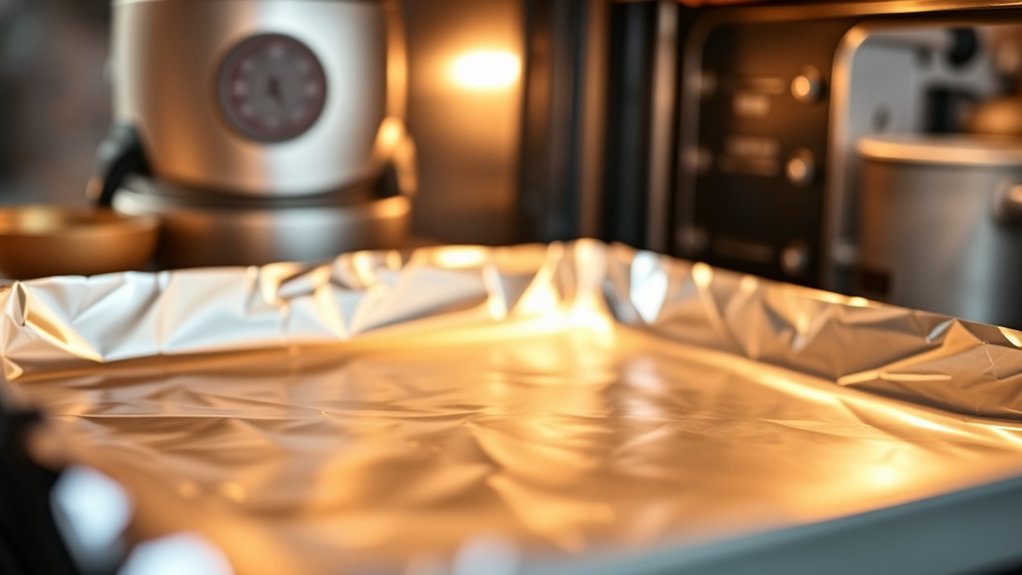
Yes, aluminum foil can go in the oven, but you should use it carefully. You can line a tray or wrap food, but you need to understand foil safety and how the foil affects heat distribution.
Foil reflects thermal energy, so it can change how evenly your oven cooks. If you cover a large area, you may reduce airflow around the food and create uneven browning or localized hot spots.
Foil reflects heat, which can affect cooking evenness, reduce airflow, and create uneven browning or hot spots.
You should keep foil flat, avoid crumpling it against heating elements, and never let it touch the oven floor. You also need to watch for direct contact with acidic or salty foods, since they can react with the metal surface.
Use only enough foil to do the job, and make sure it stays stable during baking. When you use it correctly, foil can be a practical tool, but you should treat it as a material with limits, not a universal solution.
When Aluminum Foil Is Safe to Use
Aluminum foil is safest to use in the oven when you keep it away from direct heating elements, avoid covering vents, and use it as a thin, stable liner or wrap. You should place it only on solid oven racks or in shallow bakeware, where it can shield food without blocking airflow.
You can use it to tent roasts, protect crust edges, or line pans for easy cleanup, provided it stays flat and secure. You’ll get the best results when the foil doesn’t touch oven walls or flames and when you follow the appliance manual’s temperature limits.
For tasks that need more controlled contact, consider safe alternatives such as parchment paper, silicone mats, or glass cookware. If you’re wrapping delicate foods, nonfoil wrapping may work better when moisture retention matters and metal contact isn’t needed.
Use foil sparingly, purposefully, and only when the cooking setup keeps it stable and separated from heat sources.
What Can Go Wrong With Oven Foil
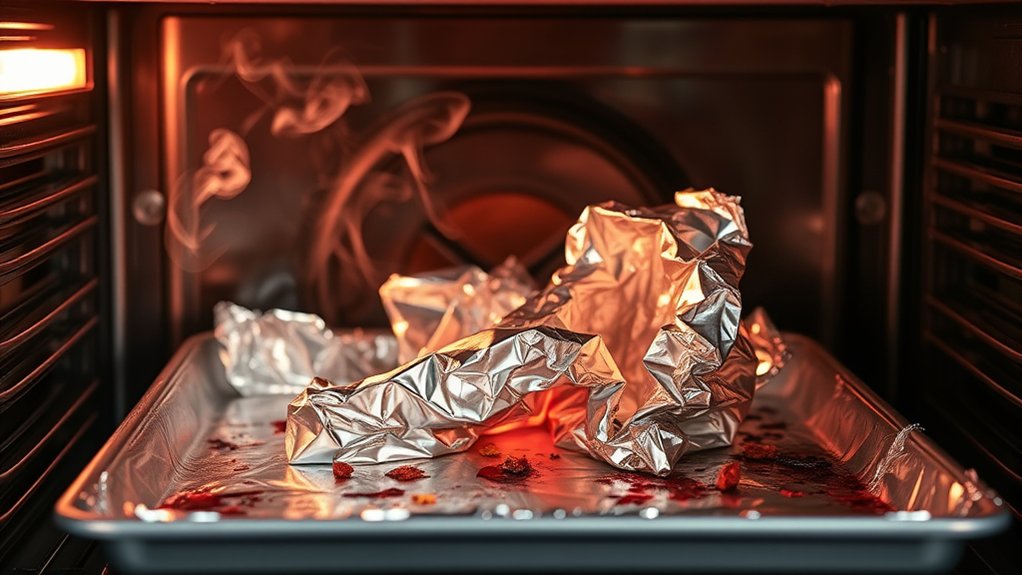
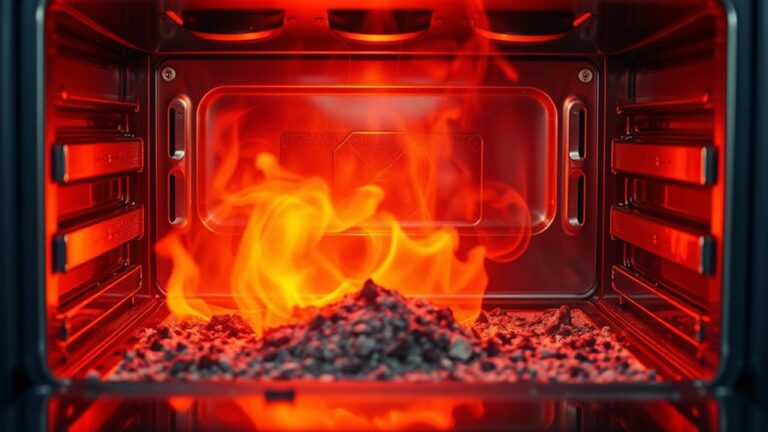
When foil goes wrong in the oven, it usually does so by blocking airflow, touching heating elements, or curling into a loose sheet that can melt, scorch, or shift onto the oven floor. You can then get uneven heating, hotter spots, and delayed cooking because the oven can’t circulate air properly.
Foil can block airflow, create hot spots, and delay cooking when it shifts or curls in the oven.
If the foil contacts exposed elements, it may discolor, degrade, or ignite residue on nearby surfaces. Loose foil can also trap grease, which raises smoke and fire risk. In convection ovens, foil misuse hazards become more pronounced because airflow matters more.
If foil overlaps racks or walls, it may scratch finishes, interfere with sensors, or create cleanup problems after heat exposure. From a foil safety standpoint, you should treat any unrestrained sheet as a potential fault source, not a neutral liner.
The main risk isn’t the metal itself; it’s the way a misplaced sheet can alter oven function and increase exposure to heat, smoke, and mechanical damage.
How to Use Aluminum Foil the Right Way
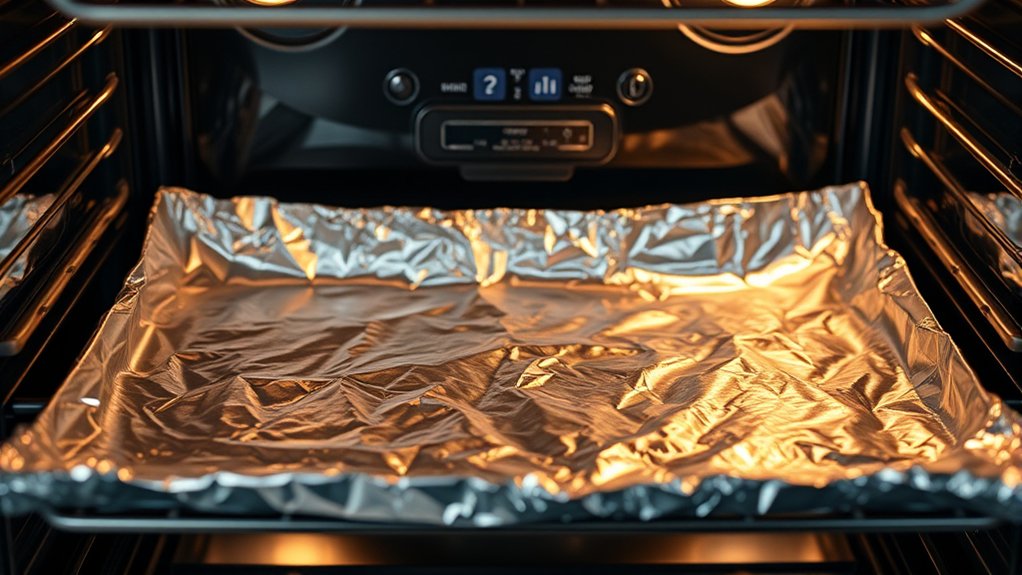
To use foil safely in the oven, keep it flat, secured, and limited to jobs that won’t block airflow or contact heating elements. You should line a pan, not the rack, and leave vents, fans, and burner paths unobstructed. Fold edges tightly so the foil won’t curl or shift under heat.
Check that it covers only the food area, because exposed foil can reflect heat unevenly.
| Task | Safe practice | Why it matters |
|---|---|---|
| Pan lining | Use a snug sheet | Reduces cleanup |
| Covering | Seal edges lightly | Limits steam loss |
| Storage | Use foil alternatives when needed | Avoids overuse |
For juicy leftovers, wrap them loosely first, then vent briefly to prevent pressure buildup. If foil tears, replace it; damaged foil can expose food to contamination or uneven heating.
When you need repeated use, choose foil alternatives such as oven-safe lids, parchment, or silicone covers. You’ll keep control, preserve texture, and reduce risk without relying on guesswork.
Foods That Work Best With Aluminum Foil
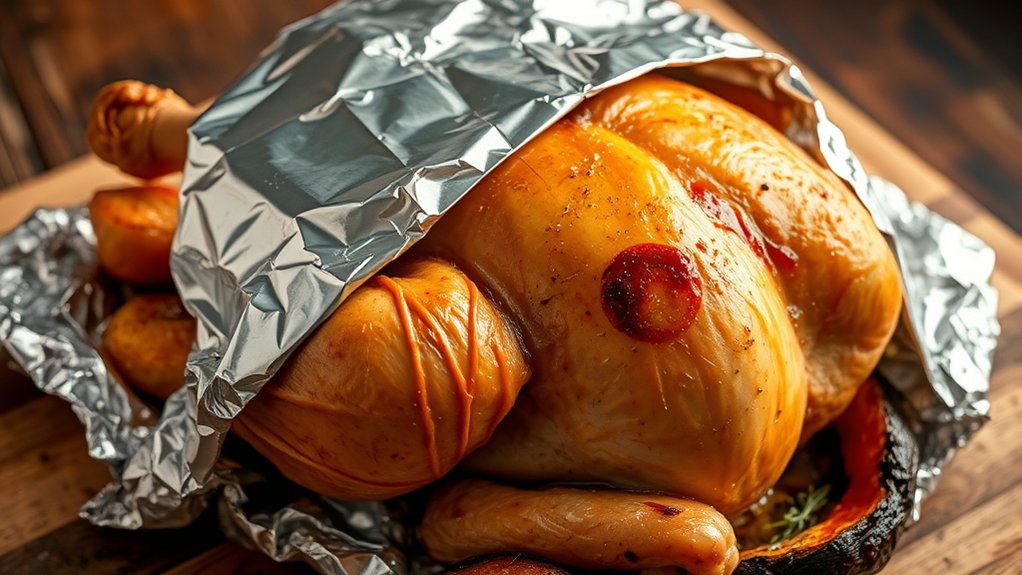
You’ll get the best results with foods that benefit from even heat and controlled moisture, especially roasted vegetables and baked proteins. When you line a tray with aluminum foil, you can help reduce sticking and simplify cleanup, but you still need to monitor browning and internal temperature closely.
Use foil selectively, since some foods cook better with direct contact to the pan or rack.
Roasted Vegetables
Roasted vegetables often work well with aluminum foil because it helps trap heat, promotes even browning, and simplifies cleanup. You can use it for roasted vegetables when you want controlled moisture, but watch aluminum foil safety if you add acidic seasonings.
| Vegetable | Foil Use | Result |
|---|---|---|
| Carrots | Loose wrap | Tender centers |
| Broccoli | Open tray | Crisp edges |
| Zucchini | Single layer | Reduced sticking |
You should avoid tight sealing when steam buildup could soften texture. Instead, fold edges lightly and leave some airflow. Check doneness early, since foil can speed surface browning and alter cooking time.
If you line a sheet pan, use heavy-duty foil to reduce tearing and keep vegetables from direct contact with the pan.
Baked Proteins
Baked proteins often pair well with aluminum foil because it helps retain moisture, supports even heat distribution, and limits sticking during oven cooking. You can use it for chicken breasts, fish fillets, meatloaf, and salmon when you want controlled doneness.
Foil creates a sealed environment that reduces surface drying, but you should still check internal temperature with a reliable thermometer for baking safety. Avoid wrapping acidic marinades too tightly, since they can react with the metal and affect flavor.
If you need a different setup, consider foil alternatives such as parchment-lined pans, oven-safe lids, or silicone baking mats. These options may improve cleanup while preserving texture.
Use foil carefully, especially with high heat, and keep it from direct contact with heating elements.
What to Use Instead of Foil
If you need a substitute for aluminum foil, you can use parchment paper, silicone baking mats, or oven-safe dishes, depending on the task. Parchment paper works for lining trays and reducing sticking, while silicone mats provide a reusable nonstick surface for standard baking.
For covered or contained cooking, you should choose an oven-safe dish that matches the required temperature and food volume.
Parchment Paper
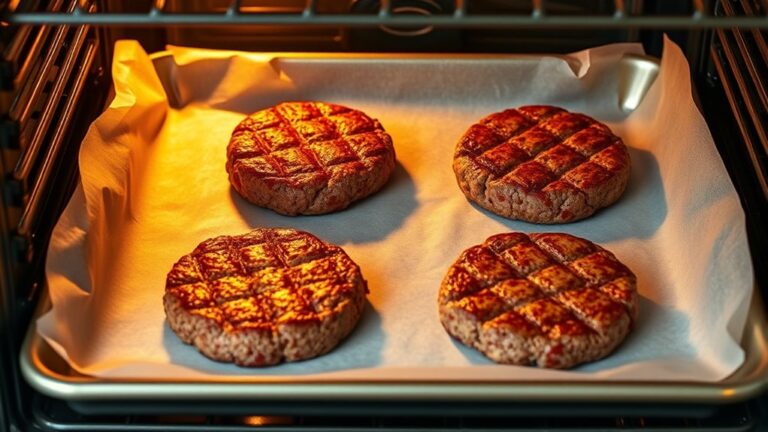
Parchment paper is one of the safest and most practical substitutes for foil when you want to line a baking sheet or wrap food for oven use. You can rely on it for dry heat applications because it resists sticking and helps you lift delicate foods cleanly.
Still, you should keep it away from direct flame, broilers, and temperatures above the manufacturer’s limit, since it can scorch. If you’ve heard foil myths or safety myths suggesting every liner behaves the same, don’t assume that’s true; parchment has different thermal limits and uses.
Use unbleached, food-grade sheets when possible, and trim them so they don’t hang over pan edges. For moist or greasy foods, it’ll usually perform well, but you should monitor any recipe that runs unusually hot.
Silicone Baking Mats
Silicone baking mats give you another reusable option when you want to avoid foil in the oven, especially for lining sheet pans and preventing sticking. You can use silicone mats for cookies, roasted vegetables, and other low-fat items when you want steady heat transfer and easier release.
Unlike foil, silicone mats don’t conduct heat the same way, so you may see slightly less browning. Check the manufacturer’s temperature limit before use; many mats tolerate standard baking temperatures, but limits vary. For foil safety, this matters because you’re choosing a stable liner, not a reflective metal surface.
Reliable release reduces frustration
Reuse helps you cut waste
Cleanup feels faster and cleaner
Careful use supports consistent results
Oven-Safe Dishes
Oven-safe dishes give you a dependable alternative when you’d rather skip foil in the oven. You can use glass, ceramic, or metal bakeware that’s clearly labeled oven safe, but check the manufacturer’s temperature limit first.
If you need easy release, choose a nonstick pan with intact coating and avoid metal utensils that can scratch it. You should not place a cold dish into a hot oven or set a hot dish on a wet surface, because thermal shock can crack it.
Use shallow dishes for faster browning and deeper ones for casseroles or juices. If you’re reheating food, cover it loosely with a lid or oven-safe parchment instead of foil when possible.
Frequently Asked Questions
Can Aluminum Foil Touch the Oven Heating Element?
No, you shouldn’t let aluminum foil touch the oven heating elements. It can spark, melt, or damage the oven.
For foil safety, keep it clear of elements and use only manufacturer-approved placements.
Does Foil Affect Baking Time in the Oven?
Yes, foil can slightly change baking time, like a mirror redirecting heat. You’ll see faster browning and sometimes quicker cooking, but you should monitor closely.
Foil safety depends on proper placement, airflow, and your oven’s settings.
Is Parchment Paper Safer Than Aluminum Foil?
Yes, parchment paper’s often safer than foil for most baking because it won’t react with acidic foods, but you should still check temperature limits.
Your foil safety and parchment comparison depend on the specific recipe and heat.
Can I Reuse Aluminum Foil After Baking?
Yes, you can reuse aluminum foil if it’s clean, intact, and free of grease or food residue, but you should respect usage limits. For recycling foil, save heavily soiled pieces for disposal instead.
Does Foil React With Acidic Foods in the Oven?
Yes, foil can react with acidic foods in the oven, like a storm cloud meeting metal. You should watch foil safety closely; acids can pit foil, add metallic taste, and baking alternatives often work better.
Conclusion
You can use aluminum foil in the oven, but you’ve got to do it carefully. Keep it flat, secure the edges, and never let it touch heating elements or block vents.
If foil shifts, it can create hot spots or smoke, like a loose shield in a fire. For many jobs, you’ll get safer results with parchment, silicone mats, or oven-safe dishes.
Always check your oven’s manual before you use foil. When considering whether aluminum foil can go in the oven, proper handling is key to safety and effectiveness.