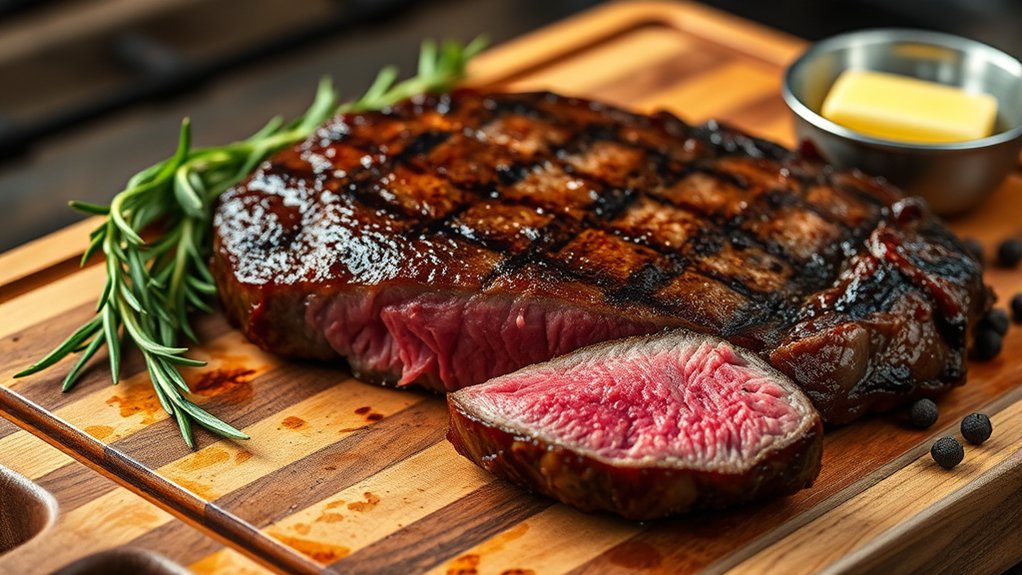
How to Cook Sirloin Steak in Oven
You pull a 1 1/4-inch sirloin steak from the fridge, ready to cook sirloin steak in the oven. Season it well, then heat a cast-iron skillet until it’s nearly smoking.
Sear both sides of the steak to lock in flavor and juices. Next, move the skillet to a 425°F oven.
Watch as the center changes from raw to the perfect level of doneness. The details matter here because the right cut, timing, and resting method can turn a firm steak into something unexpectedly tender.
Key Takeaways
- Choose a 1 to 1.5-inch center-cut sirloin with fine marbling and bright red color for even, tender results.
- Season both sides generously with kosher salt and black pepper, plus optional garlic powder or herbs for extra flavor.
- Preheat the oven to 425°F and heat a heavy skillet, preferably cast iron, until very hot and dry.
- Sear the steak in the skillet without moving it, then transfer it to the oven to finish cooking.
- Rest the steak 5 to 10 minutes, then slice thinly against the grain for the juiciest texture.
Choose the Right Sirloin Steak
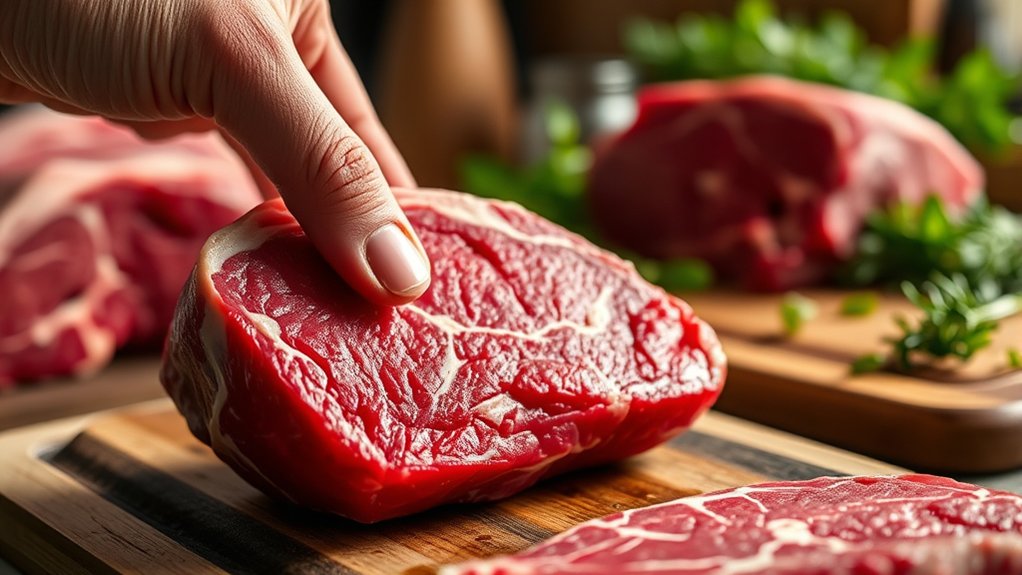
Choosing the right sirloin steak starts with selecting a cut that suits oven cooking: look for a steak that is 1 to 1 1/2 inches thick, evenly shaped, and well-marbled with fine streaks of fat, since marbling helps the meat stay tender and flavorful as it cooks. You should also inspect the color; a bright, deep red surface indicates freshness and proper handling.
Prefer center-cut sirloin when possible, because it cooks more uniformly than irregular pieces. If you’re weighing a grill vs. oven comparison, choose a steak with moderate marbling and steady thickness, since it responds well to dry, controlled heat.
You can also consider seasoning alternatives later, but the cut itself must provide enough natural flavor and structure. Avoid steaks with excessive connective tissue or uneven edges, since they can cook inconsistently and become tough. A carefully selected sirloin gives you a reliable foundation for precise oven roasting and a better final texture overall.
Season Sirloin Steak for the Oven
Season the sirloin steak generously on both sides with kosher salt and freshly ground black pepper, then add any additional seasonings you want to use before it goes into the oven. Press the spices onto the surface so they adhere evenly and form a consistent crust during cooking.
Season the steak generously with salt, pepper, and your chosen spices, pressing them on for an even, flavorful crust.
You can keep the profile simple with garlic powder and onion powder, or you can use seasoning variations such as smoked paprika, dried thyme, rosemary, or crushed coriander for deeper complexity. If you want a bolder result, a light pinch of cayenne adds controlled heat without masking the beef’s flavor.
For steak fajita prep, combine chili powder, cumin, garlic powder, and oregano, then season the steak uniformly. Avoid oversaturating the meat with wet marinades at this stage, because dry seasoning gives you better control and cleaner browning.
Let the seasoned steak rest briefly at room temperature so the flavors settle before you cook it.
Preheat the Oven and Pan
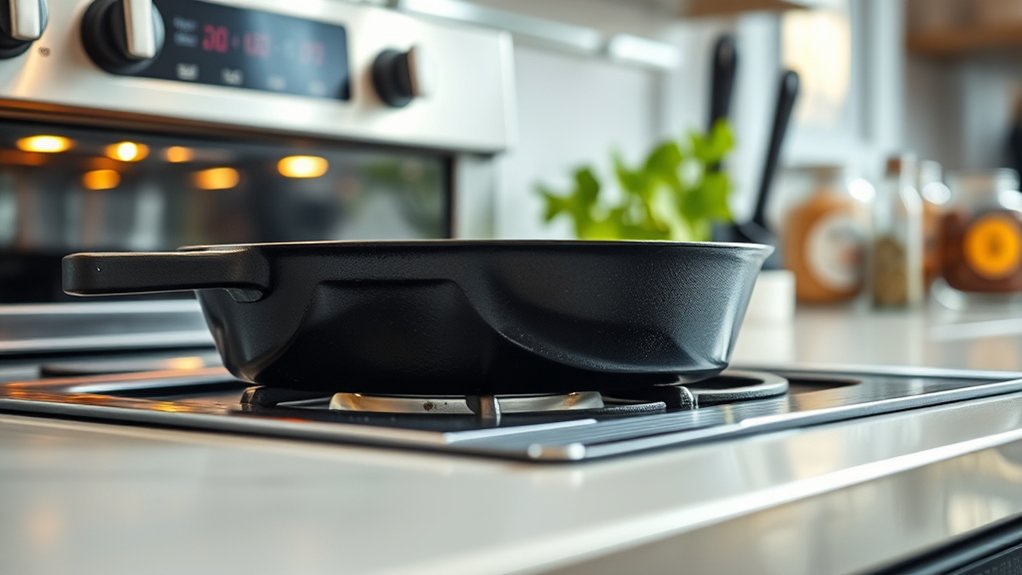
Preheat your oven to the required temperature so the sirloin cooks evenly and develops a proper crust.
While the oven heats, prepare your pan by placing it in the oven or heating it on the stovetop, depending on your method. A thoroughly heated oven and pan help you sear the steak quickly and maintain control over the final texture.
Oven Temperature
What temperature should you use to cook sirloin steak in the oven? You should preheat it to 425°F, which gives you a strong, even blast of heat for efficient browning and controlled doneness. At this setting, the oven encourages rapid surface caramelization while limiting excessive moisture loss, a balance supported by aroma science.
You can also use 450°F if you prefer a firmer crust and monitor the steak closely. Place your oven rack in the center so heat circulates uniformly around the meat. Before cooking, let the oven fully stabilize; a rushed preheat weakens results.
Use precise knife technique when checking thickness, because uniform cuts respond more predictably to oven heat. Consistent temperature management is essential for a properly cooked sirloin.
Pan Preparation
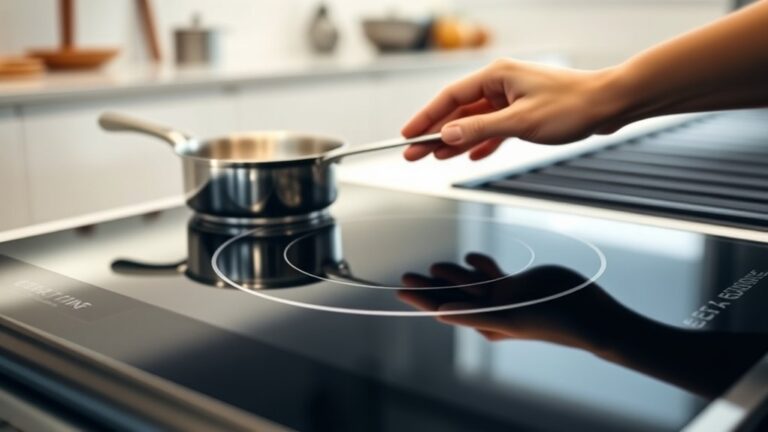
Set a heavy skillet, preferably cast iron, on the stovetop and let it heat until it’s very hot before the steak goes in. While it heats, preheat your oven to the target temperature so both surfaces are ready at the same time. This step ensures a strong sear and steady finishing heat.
Verify that your pan seasoning is intact; a well-seasoned pan limits sticking and supports even browning. If you use a handle that isn’t ovenproof, wrap it carefully or choose another pan to maintain oven safety.
Keep the skillet dry, because moisture reduces browning and can cause splatter. Once the pan reaches full heat, add the steak promptly, then transfer it to the oven without delay for controlled cooking and precise results.
Sear Sirloin Steak for Better Flavor
For deeper flavor and a better crust, sear the sirloin steak in a hot skillet before transferring it to the oven. You should pat the meat dry, then season it evenly so the surface can brown quickly.
When the pan is very hot, add the steak and let it remain undisturbed; this browning technique creates a deep crust through the Maillard reaction. Turn it once to sear the second side, and briefly press the edges against the skillet for complete coverage.
The intense heat builds flavor contrast, pairing a savory exterior with a tender interior. Use a heavy skillet that retains heat well, and avoid overcrowding, which lowers the temperature and weakens the sear.
If the steak releases easily, it’s ready to turn. A proper sear won’t cook the center through, but it will establish the rich color and aromatic complexity you want before the steak moves on to the oven.
Finish Sirloin Steak in the Oven
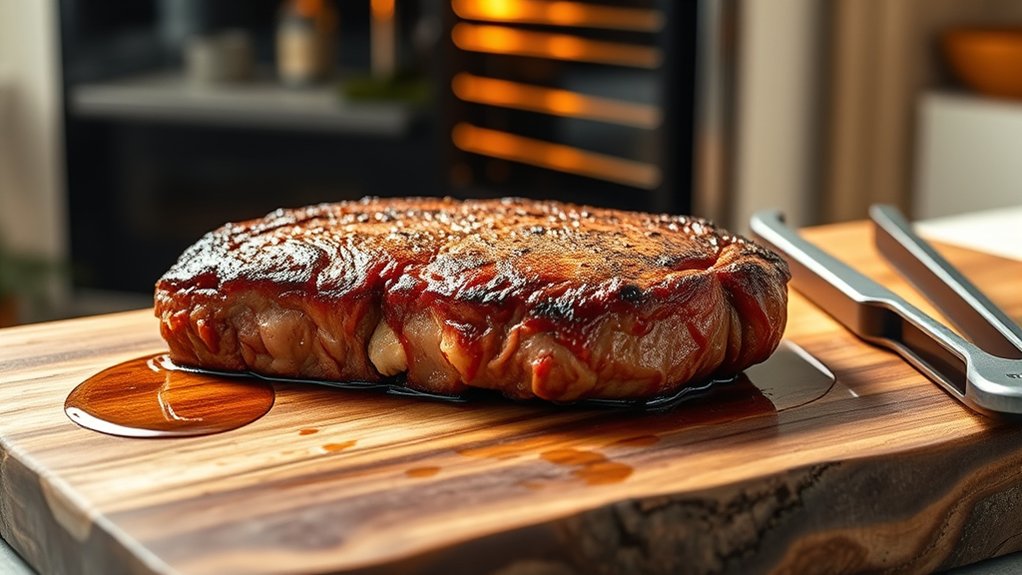
Once the sirloin has a browned crust on both sides, transfer the skillet to a preheated oven to finish cooking the interior evenly. This pan to oven transition lets heat circulate around the steak, reducing the risk of an overdone exterior.
Set the skillet on the center rack and let the steak cook without moving it, so the heat can penetrate steadily. Use these tips for oven finishing to maintain precision and control:
- Keep the skillet handle protected.
- Leave the steak undisturbed.
- Maintain a consistent oven temperature.
- Remove the pan carefully with dry mitts.
During this stage, you’re preserving the sear while building gentle internal heat. A properly heated oven supports uniform doneness and a tender texture. Avoid opening the door repeatedly, since temperature drops can slow the process and disturb results.
When the steak finishes, let it rest briefly before slicing.
Check Doneness With a Meat Thermometer
How do you know when your sirloin has reached the right doneness? Use a reliable instant-read meat thermometer for accurate doneness verification. Insert the probe into the thickest part of the steak, aiming for the center and avoiding fat, bone, or the pan’s surface.
For precise thermometer usage, slide the tip in from the side if needed, so you measure the true interior temperature. Remove the steak from the oven briefly, close the door to preserve heat, and read the display within seconds.
Compare the result with your target level of doneness, such as rare, medium-rare, or medium, according to your preference. If the temperature is still low, return the steak to the oven and check again after a short interval.
Once you confirm the correct temperature, transfer the steak to a plate and let it rest before slicing. This method gives you consistent control and helps prevent overcooking.
Use Steak Cooking Times
Steak cooking times give you a useful starting point when you’re roasting sirloin in the oven, especially if you’re working with a consistent thickness. You can use them to match heat level, cut size, and your target finish with precision. For texture optimization, track time carefully and keep your oven fully preheated.
Steak cooking times provide a reliable starting point for oven-roasted sirloin, especially when thickness stays consistent.
- 1-inch steaks: 8 to 10 minutes for medium-rare
- 1.25-inch steaks: 10 to 12 minutes for medium
- 1.5-inch steaks: 12 to 14 minutes for medium-well
- Thicker cuts: add time in small increments
You should treat these ranges as guides, not absolutes, because oven performance and steak density vary. For juicy compatibility, choose a timing window that supports your preferred doneness without overcooking the center.
Start checking early if your oven runs hot, and record the exact timing that works best for your equipment. This method helps you reproduce consistent results with confidence.
Let Sirloin Steak Rest Before Slicing
Let the sirloin steak rest for 5 to 10 minutes after removing it from the oven so the juices redistribute and stay inside the meat. If you slice it too soon, those juices will run out and the steak can turn dry.
When you’re ready to serve, cut against the grain to improve tenderness and make each bite easier to chew.
Resting Retains Juices
Why slice too soon and lose the juices you worked to preserve? When you let sirloin steak rest, you allow heat and pressure to stabilize, which supports the resting science behind better juiciness impact.
During this pause, the meat’s internal juices redistribute, so less liquid escapes onto the cutting board. You should rest the steak on a warm plate or cutting board, uncovered, for several minutes before serving.
- Keep the steak still after removing it from the oven.
- Avoid puncturing the surface, which can release moisture.
- Monitor the resting time carefully for consistent results.
- Preserve texture by waiting before slicing.
This brief step improves tenderness, maintains moisture, and helps you serve a more flavorful sirloin with confidence.
Slice Against Grain
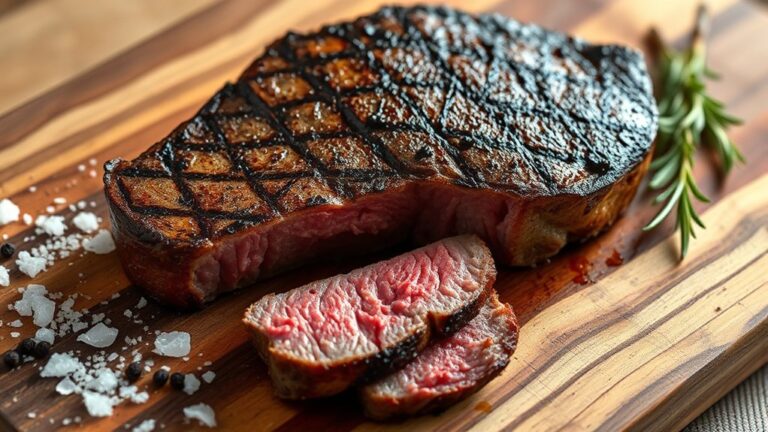
After the sirloin rests, cut it against the grain to shorten the muscle fibers and make each bite more tender. You should identify the direction of the grain by observing the long, parallel lines running through the meat.
Then position a sharp carving knife perpendicular to those lines and make clean, even slices about one-quarter inch thick. This technique improves tenderness, preserves a neat presentation, and helps the meat chew more easily. If you need a reminder, use simple two word discussion ideas such as grain direction or slicing angle; they’re irrelevant to other headings, but useful here.
Maintain steady pressure and avoid sawing, which can tear the surface and release juices. Serve the slices immediately for the best texture and flavor.
Slice Sirloin Steak Against the Grain
Once the sirloin rests, use a sharp knife to slice it thinly against the grain, cutting perpendicular to the long muscle fibers. You’ll improve tenderness immediately when you respect the grain orientation and follow disciplined tips for slicing.
Hold the steak steady with a carving fork, then draw the blade in smooth, controlled strokes rather than pressing down hard. Keep each slice even, about one-quarter inch thick, so the meat stays cohesive and easy to serve.
- Locate the direction of the muscle fibers first.
- Turn the steak so your cut crosses those fibers.
- Use a clean, sharp knife for precise slices.
- Slice in one motion to preserve texture.
You should avoid sawing aggressively, because that can tear the meat and dull the presentation. If the steak has a noticeable grain shift, adjust your angle as needed. Proper slicing preserves juiciness, refines texture, and ensures each bite feels uniformly tender.
Best Sides for Sirloin Steak
What should you serve with sirloin steak to balance its rich, savory flavor? You should choose sides that provide contrast, structure, and restraint. Roasted potatoes offer crisp edges and absorb pan juices well, while garlic green beans add freshness and a clean finish.
Choose sides that add contrast and restraint, like roasted potatoes and garlic green beans.
A simple Caesar salad gives acidity and crunch, and creamed spinach supplies a smooth, luxurious complement. For more refined flavor pairing, consider charred asparagus, sautéed mushrooms, or caramelized carrots, each of which supports the steak without overpowering it.
If you want entropy optimization on the plate, combine one starch, one vegetable, and one bright element. This approach creates order, variation, and balance. You’ll also improve presentation by using distinct colors and textures.
Avoid heavy, repetitive sides that compete with the steak’s seasoning. Instead, keep portions measured and flavors disciplined. The result is a composed meal that feels deliberate, elegant, and fully satisfying.
Frequently Asked Questions
Can I Cook Sirloin Steak From Frozen?
Yes, you can cook sirloin steak from frozen, but you’ll get better results by thawing it first.
For kitchen safety, keep frozen meat sealed, and use a reliable oven method to guarantee even cooking.
What Oven-Safe Pan Works Best for Sirloin Steak?
A cast-iron skillet works best for sirloin steak; you’ll get even heat and a strong sear. Among pan options, use heavy stainless steel too.
Add seasoning ideas like salt, pepper, garlic, and rosemary.
Should I Marinate Sirloin Steak Before Baking?
You should marinate sirloin steak before baking if you want deeper flavor profiles; marinate timing matters.
30 minutes to 4 hours works best. Skip overly acidic mixtures, or you’ll soften texture and dull the steak’s natural taste.
How Do I Store Leftover Cooked Sirloin Steak?
Store your cooked sirloin steak in an airtight container and refrigerate it within two hours. Keep leftovers stored at 40°F or below. Your fridge duration should stay safe for three to four days.
Can I Broil Sirloin Steak Instead of Baking?
Yes, you can broil sirloin steak instead of baking. Like a torch beating a hearth, broiling sears quickly; in broil vs bake, you’ll use intense top heat.
Choose fresh over frozen for better browning.
Conclusion
By choosing a well-marbled sirloin, seasoning it boldly, searing it fiercely, and finishing it in a hot oven, you create a steak with savory depth and satisfying tenderness.
Let it rest, then slice against the grain for the most succulent results. With careful timing and thoughtful sides, you’ll serve a balanced, beautiful meal that feels both simple and special.
Follow these steps, and you’ll enjoy a perfectly prepared sirloin steak in oven every time.