How to Cook Pork Butt in Oven
Like a slow-braised secret from a Southern kitchen, cooking pork butt in the oven can turn this cut into tender, pull-apart meat with steady heat and a simple rub. Pat the roast dry, season it well, and roast it low at 300°F until the center reaches 195–205°F.
Rest the meat before you shred or slice it, allowing the juices to redistribute for maximum tenderness. Be sure to keep the drippings—they may matter more than you think.
Key Takeaways
- Pat the pork butt dry, then rub it with salt, pepper, garlic powder, onion powder, paprika, and optional sugar or spices.
- Roast it covered at 300°F for even cooking and moisture retention.
- Cook until the thickest part reaches 195°F to 205°F for pull-apart tenderness.
- Let it rest 20 to 30 minutes before shredding so the juices settle.
- Save the drippings and leftovers for gravy, beans, greens, and reheated meals.
Why Pork Butt Works in the Oven
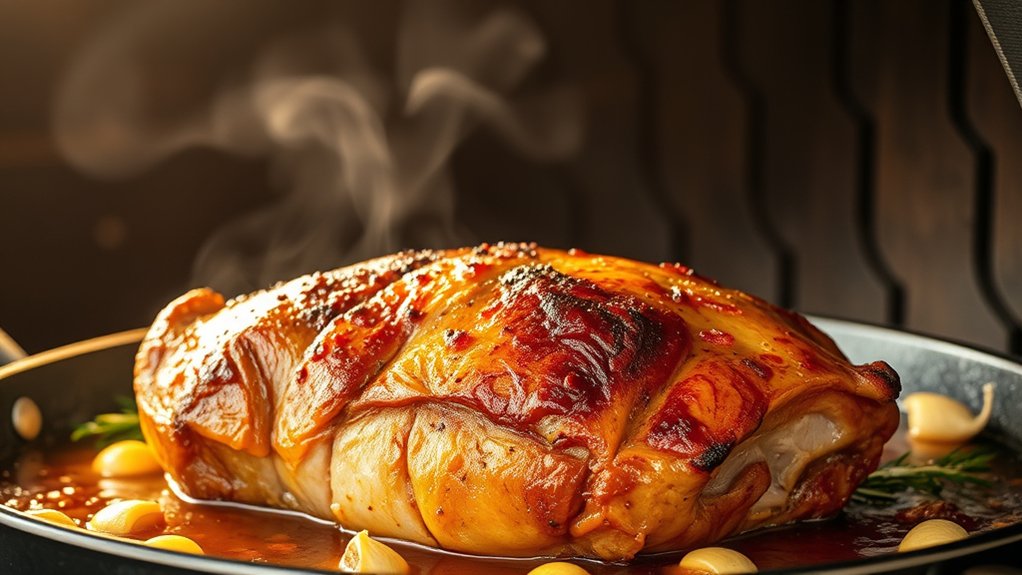
Why does pork butt do so well in the oven? Because you’re working with a cut loaded with collagen, intramuscular fat, and connective tissue. In slow heat, that structure changes gradually: collagen melts into gelatin, fat renders, and the meat stays moist while it softens. That’s the core of pork butt science, and it’s why oven roasting suits this cut so well.
You don’t need blasting heat to make it tender; you need steady, controlled heat that gives the fibers time to relax. High oven temperatures can tighten the surface before the interior has transformed, which feeds common roasting myths about “searing in juices.” In truth, juices move through the meat regardless, and tenderness comes from patient cooking, not force.
When you use the oven correctly, you create even heat around the roast, encourage consistent breakdown, and end up with pork that pulls apart cleanly and tastes rich, not dry.
How to Season Pork Butt
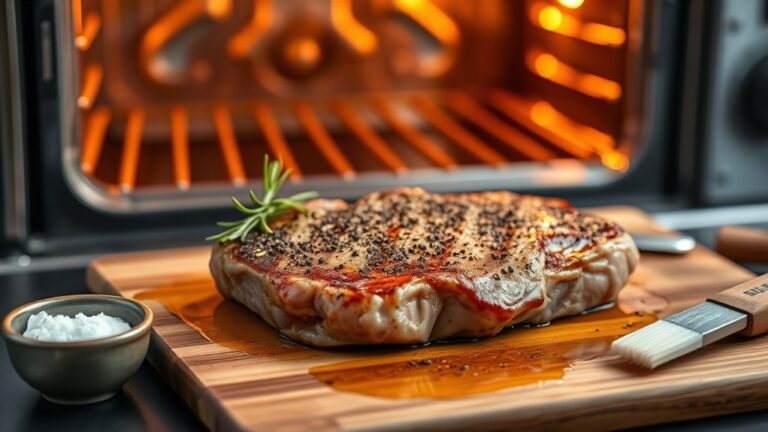
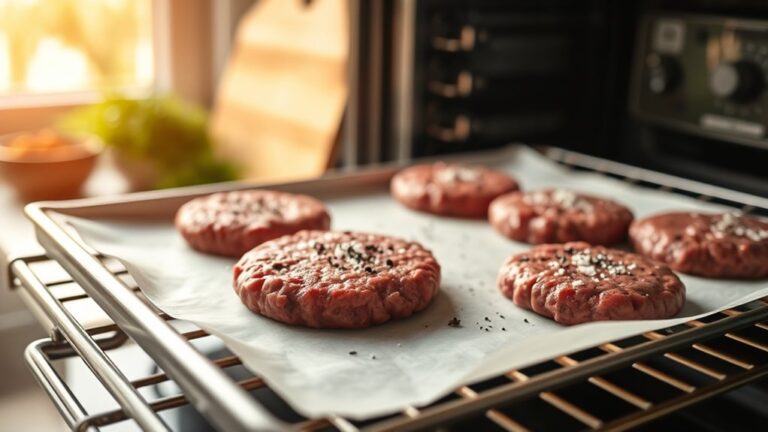
With the oven doing the heavy lifting, your next job is to season the pork butt so the outside tastes as good as the inside turns out. Pat the meat dry, then coat it with a thin layer of mustard or oil so the seasoning clings.
Pat the pork dry, brush it lightly with mustard or oil, and let the seasoning cling.
Build your seasoning pork blend with kosher salt, black pepper, garlic powder, onion powder, and paprika; that base gives you control and balance. If you want deeper pork flavor profiles, add brown sugar for mild sweetness, chili powder for warmth, or cumin for a savory edge.
Rub the mix over every surface, pressing it into seams and creases. Don’t just dust the top; you want full coverage. Let the pork sit briefly after seasoning so the surface absorbs the salt and spices.
Keep the blend simple and deliberate, and you’ll season the roast for a bark that’s flavorful, even, and well judged.
What Temperature to Roast Pork Butt?

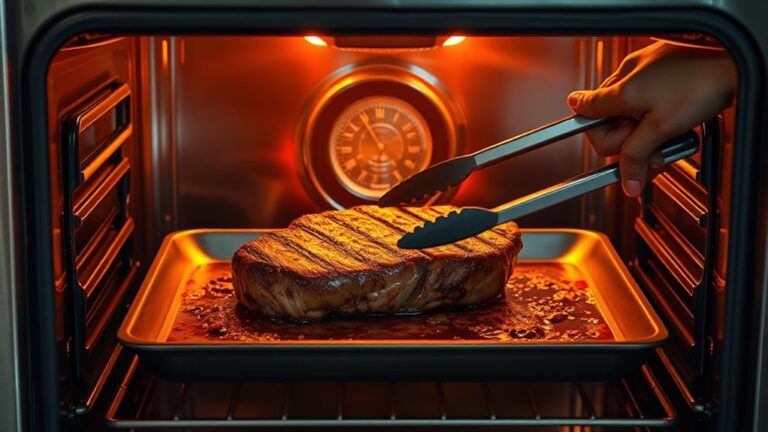
You’ll roast pork butt best at 300°F, which gives you steady heat for even cooking and good fat rendering.
Aim for an internal temperature of 195°F to 205°F if you want tender, pull-apart meat. Use a thermometer, because that’s the only reliable way to know when it’s truly done.
Ideal Roasting Temperature
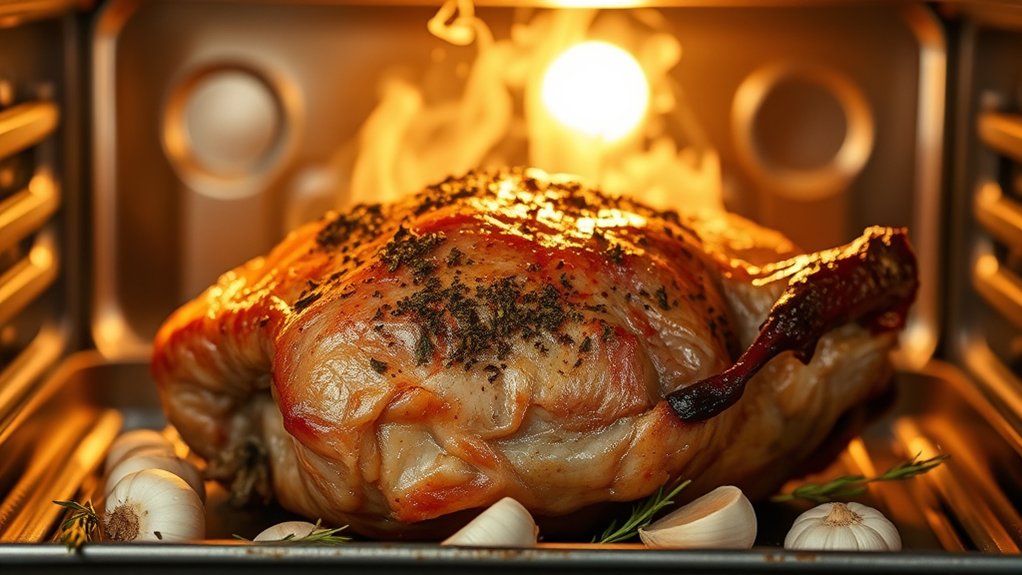
For roasting pork butt in the oven, set the temperature to 300°F for steady, even cooking that breaks down the connective tissue without drying out the meat. You should keep the heat moderate so the exterior browns gently while the inside cooks at a controlled pace.
Use oven safe cookware that can handle long roasting, and choose seasoning variations that suit your flavor plan before the pork goes in.
| Temp | Result | Use |
|---|---|---|
| 275°F | Slower roast | Extra tenderness |
| 300°F | Balanced roast | Best all-around |
| 325°F | Faster roast | More browning |
At 300°F, you get reliable results with less risk of scorching. If your oven runs hot, monitor it closely and adjust slightly downward.
Internal Doneness Targets
Pork butt is done when it reaches an internal temperature of 195°F to 205°F, where the collagen has broken down and the meat turns tender enough to pull apart easily. Use a reliable probe and check the thickest center, avoiding bone contact for an accurate read.
If you want firmer slices, you can stop closer to 190°F, but for classic pulled pork, keep cooking until the meat yields with little resistance. Rest it at least 20 minutes so the juices settle and the pork texture stays moist.
During this final stage, protect spice balance by avoiding high heat that can scorch the bark or dull the seasoning. Judge doneness by feel, not just the number, and trust tenderness as your best guide.
How Long to Cook Pork Butt in the Oven
How long it takes to cook pork butt in the oven depends on its size, your oven temperature, and whether you want it sliceable or fall-apart tender. Plan on about 1.5 to 2 hours per pound at 300°F, or 2.5 to 3 hours per pound at 250°F.
A 6-pound roast usually needs 9 to 12 hours at the lower heat, while a smaller 4-pound butt may finish in 6 to 8 hours. If you raise the oven to 325°F, shave off some time, but watch closely so you don’t get an undercooked crust before the center has enough time to soften.
For flavor, use pantry substitutions like apple juice for cider, or brown sugar mixed with salt and paprika if you’re out of a rub. Cover the roast for most of the cook, then uncover it near the end if you want a deeper exterior.
How to Tell When Pork Butt Is Done

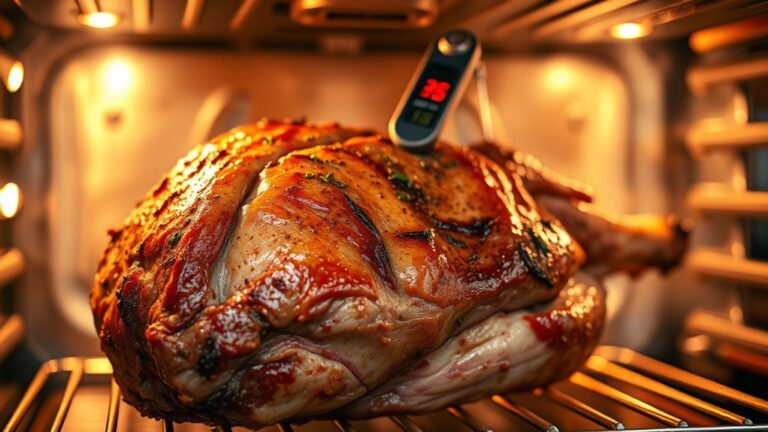
You’ll know pork butt is done when its internal temperature reaches about 195°F to 205°F in the thickest part, which gives the connective tissue time to break down. Check it with a reliable meat thermometer, not by time alone.
It should also feel fork-tender, with the meat pulling apart easily under gentle pressure.
Internal Temperature Check
Rather than guessing by time alone, check the pork butt’s internal temperature to know when it’s done. Insert an instant-read thermometer into the thickest part, avoiding bone and big fat pockets.
After fat cap trimming, the reading comes faster and more accurately, reducing undercook risk and helping you judge doneness with confidence.
| Zone | Temp | Action |
|---|---|---|
| Early check | 160°F | Continue roasting |
| Pull window | 195°F | Verify tenderness |
| Safe target | 203°F | Rest before slicing |
| Carryover | +3°F | Account for rise |
Track the lowest stable reading, then recheck in another spot. If the number stalls below target, keep cooking and test again every 20 minutes.
A reliable thermometer turns guesswork into control, especially with a thick roast that insulates heat unevenly.
Fork Tender Texture
A pork butt isn’t done just because it hits a target temperature; it’s done when a fork slides in easily and the meat starts to give and separate with little resistance. You should test several spots, especially near the center and shoulder seam, because collagen breaks down unevenly.
If the meat still feels tight, keep cooking and check again in 20 to 30 minutes. This fork tender texture is the best cue for doneness, more reliable than the thermometer alone. For a quick discussion idea1, compare the feel to softened butter; for discussion idea2, note how the bone should twist or lift cleanly.
When you shred it, the meat should pull apart in moist strands, not chunks, and it should resist only slightly.
How to Shred Pork Butt for Pulled Pork
Let the pork butt rest for 15 to 30 minutes before shredding so the juices settle and the meat stays tender. Set the roast on a large cutting board and pull off any thick fat cap or bone fragments first.
Use two forks, meat claws, or clean gloved hands for reliable shredding techniques; each gives you control over texture. Start at the outer edges, then work inward, separating the meat into strands while discarding any gristle. If some pieces feel dense, leave them a few minutes longer before pulling again.
For budget friendly methods, keep the pan juices nearby and mix in only a little at a time to moisten the pork without making it soggy. Aim for long, even shreds if you want classic pulled pork, or leave a few chunks for a rustic finish.
Season lightly after shredding, then toss well for even distribution.
Ways to Serve Oven-Roasted Pork Butt
Roasted pork butt is versatile, so you can serve it in several practical ways depending on the meal. Slice it thick for a plated dinner, or shred it for sandwiches, tacos, and rice bowls.
For a classic presentation, pair it with mashed potatoes, roasted vegetables, and pan juices. If you’re serving with barbecue, pile the meat on buns with slaw and pickles, then add sauce at the table so you keep the bark intact.
You can also fold it into breakfast hash, omelets, or quesadillas for a second meal. For tips for leftover pork, cool it quickly, store it in shallow containers, and reheat it gently with a splash of broth to prevent drying out.
Use the drippings to enrich beans, gravy, or skillet greens. Keep portions flexible, and you’ll turn one roast into several satisfying meals without wasting flavor or effort.
Frequently Asked Questions
Can I Cook Pork Butt With the Fat Cap On?
Yes, you can leave the fat cap on; it helps baste the meat during the roasting method. Score it lightly, season well, and roast fat-side up so you get juicier, more flavorful pork butt.
Should I Cover Pork Butt While Roasting in the Oven?
Yes, you should cover it at first; then uncover it to brown. If your intent’s unclear, unaddressed factors like moisture, bark, and oven temperature matter.
You’ll usually get juicier, more even results.
Can I Use a Baking Rack for Pork Butt?
Yes, you can use a baking rack; it lifts the pork butt, promotes airflow, and helps crisp the exterior.
You’ll still need fat cap considerations, since positioning affects moisture retention and browning.
How Do I Keep Pork Butt From Drying Out?
You keep pork butt juicy by wrapping it, basting it, and resting it; like a desert oasis, moisture matters. Use tips on hydration and heat management, and check two word discussion ideas carefully.
Can I Cook Pork Butt From Frozen?
Yes, you can, but you’ll need extra time and safer temperature checks. You can’t thaw it like ice cream; just roast it slowly, cover it well, and avoid mountain biking-style shortcuts that risk uneven cooking.
Conclusion
You’ve got the basics now, so your pork butt should come out tender, juicy, and full of flavor. Keep the roast covered, cook it low and slow at 300°F, and trust the thermometer more than the clock. When it hits 195–205°F, let it rest before you shred it.
That last pause is the key that unbinds the meat’s best texture. Save the drippings, too—they’re liquid gold for your next meal.
Following these steps will ensure your pork butt cooked in the oven is perfectly delicious every time.