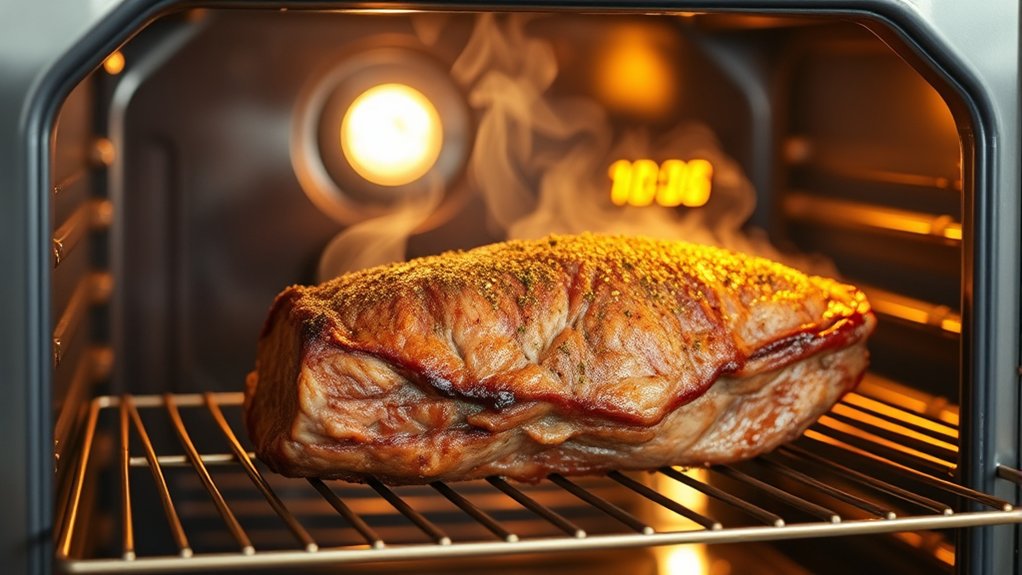
How to Cook Tri Tip in Oven
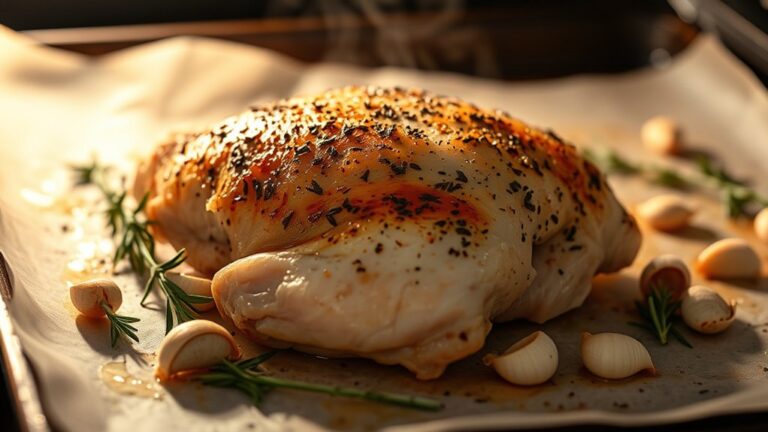
To cook tri tip in the oven, you start by patting the meat dry, coating it lightly with oil, and seasoning it well with salt, pepper, garlic, onion powder, and smoked paprika.
Then you roast it at 425°F until it hits 130–135°F for medium-rare. The key steps don’t end there, though, because the rest and slice can make or break the result.
Key Takeaways
- Pat the tri tip dry, lightly oil it, and season generously with salt, pepper, garlic powder, onion powder, and smoked paprika.
- Preheat the oven to 425°F and place the tri tip on the middle rack or a rack set over a pan.
- Roast about 25–35 minutes, checking early with a thermometer for 130°F–135°F for medium-rare.
- Remove the tri tip 5°F before your target temperature, then rest loosely tented for 10–15 minutes.
- Slice thinly against the grain, about 1/4 inch thick, for the most tender results.
How to Season Tri Tip for the Oven
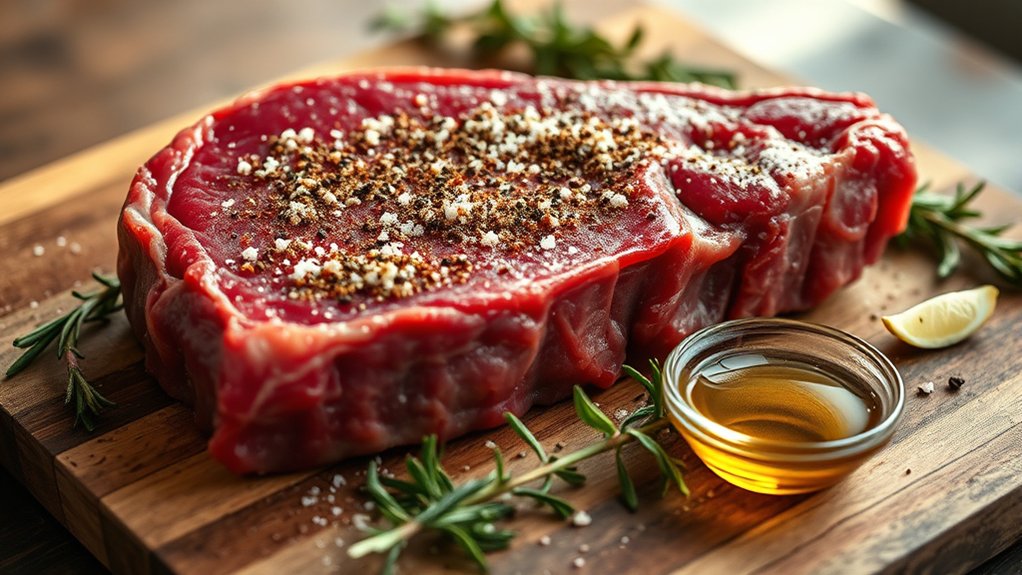
Before you roast tri tip in the oven, pat it dry so the seasoning sticks and the meat browns properly. Then rub the surface with a thin layer of oil to help spices adhere.
Pat the tri tip dry first, then lightly oil it so seasoning sticks and the roast browns beautifully.
Season generously with kosher salt, black pepper, garlic powder, onion powder, and smoked paprika, then press the mixture into every side. If you want a stronger profile, add a small amount of dried rosemary or thyme, but keep the blend balanced.
Let the tri tip rest for 20 to 30 minutes after seasoning so the salt begins to penetrate. This step helps build a seasoned crust and improves oven texture once the meat cooks.
Avoid heavy marinades that leave excess moisture, since they can soften the exterior. You want even coverage, not a thick paste.
When you season well, you set up better browning, cleaner slices, and a more flavorful roast from edge to edge.
Best Oven Temperature for Tri Tip
For the best oven temperature, set your oven to 425°F for a reliable balance of browning and even cooking. You’ll get a well-developed crust without pushing the meat into harsh heat. Keep your oven fully preheated, and use a middle rack so heat surrounds the tri tip evenly.
This setting also supports insightful budgeting because it reduces trial-and-error and helps you use your equipment efficiently. Maintain equipment cleanliness by wiping the rack, pan, and oven window before cooking.
| Temperature | Result | Use Case |
|---|---|---|
| 400°F | Gentler browning | Softer crust |
| 425°F | Balanced sear | Best all-purpose choice |
| 450°F | Faster browning | More aggressive exterior |
| 375°F | Slower color | Better control |
| Broil | Intense top heat | Finish only |
Choose 425°F when you want consistency, clean flavor, and manageable results every time.
How Long to Roast Tri Tip in the Oven
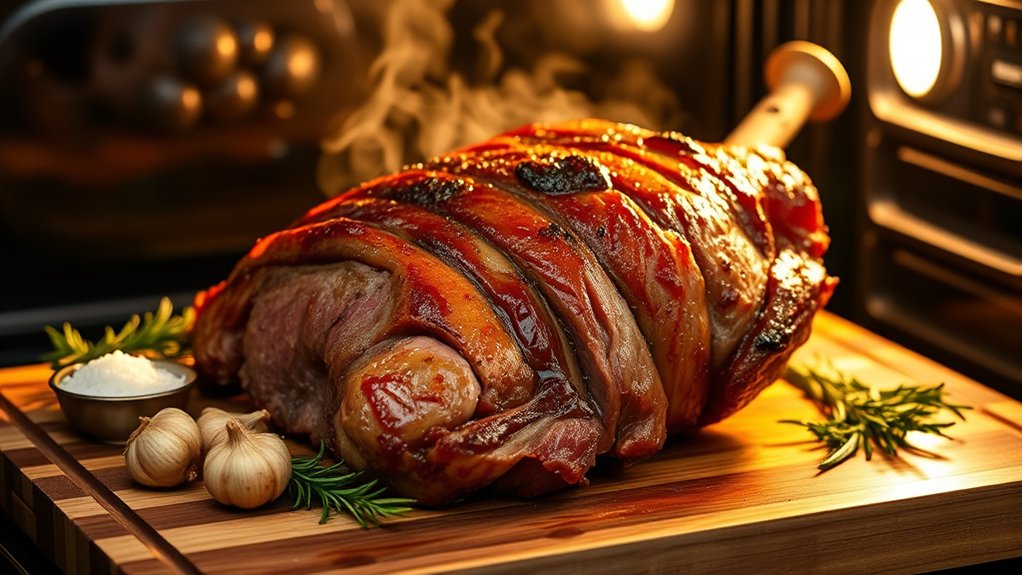
Roast tri tip based on its weight, since a 2- to 3-pound cut usually needs about 25 to 35 minutes in a hot oven. You should start checking early and use a meat thermometer to track doneness.
Aim for 130°F to 135°F for medium-rare, then rest the roast before slicing.
Roast Time By Weight
How long should you roast tri tip in the oven? Use roast time by weight to guide your oven timing: plan on about 10 to 12 minutes per pound at 425°F for a small roast, and 12 to 15 minutes per pound for larger cuts.
If your tri tip weighs 1.5 pounds, start checking near 15 minutes; at 2.5 pounds, expect 25 to 35 minutes. Choose seasoning ideas that suit the cut, such as garlic, pepper, rosemary, or a dry rub, and apply them evenly before roasting.
Always place the roast on a rack or pan so heat circulates well. Pull the meat when the exterior is browned and the roast has cooked evenly for its size, then let it rest before slicing.
Internal Temp Targets
Use a meat thermometer to judge doneness, since internal temperature tells you more than time alone. Roast tri tip to 125°F for rare, 130°F to 135°F for medium-rare, or 140°F to 145°F for medium.
Pull it from the oven 5°F early, because carryover cooking will raise the temperature as it rests. Tent the meat loosely and let it rest 10 to 15 minutes before slicing against the grain.
If you prefer a darker crust, use tips for oven broiling during the last few minutes, but watch closely. For larger or leaner alternatives to tri tip, keep the same temperature targets and verify the center, not the surface.
Slight oven variation matters, so trust the thermometer, not the clock.
Tri Tip Internal Temperature Guide
To nail tri tip doneness in the oven, start with a reliable thermometer and pull the meat at the right internal temperature: 125°F to 130°F for medium-rare, 135°F for medium, and 145°F for medium-well. Use this guide to match your target exactly.
| Doneness | Internal Temp |
|---|---|
| Rare | 120°F to 124°F |
| Medium-rare | 125°F to 130°F |
| Medium | 131°F to 135°F |
| Medium-well | 136°F to 145°F |
| Well-done | 146°F+ |
Insert the probe into the thickest center, avoiding fat pockets and the pan. Check early, then recheck quickly to prevent overshooting.
If you prefer saving tri tip leftovers, note the final temp on the container for consistent reheating later. For tips for tri tip storage, cool the meat promptly in shallow containers and keep it sealed in the refrigerator.
Accurate temperature control gives you repeatable results every time.
Rest Tri Tip Before Slicing
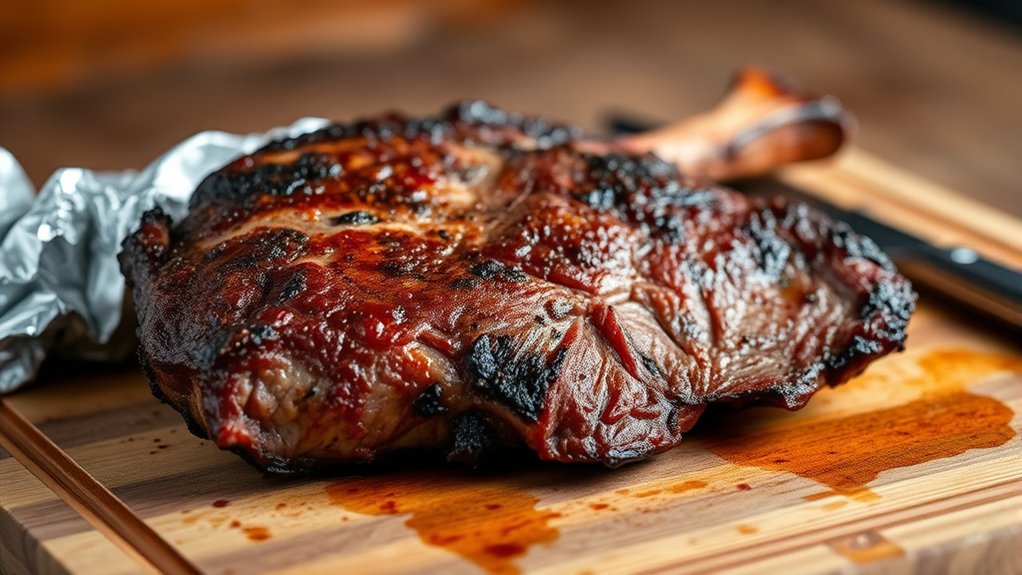
Once your tri tip reaches the target temperature, transfer it to a cutting board and let it rest for 10 to 15 minutes. This pause lets the juices redistribute, so you don’t lose moisture when you cut into it. Keep the roast uncovered or loosely tented with foil; tight wrapping can trap steam and soften the crust.
Use these resting tips to maintain texture and flavor, and resist slicing too soon, even if the exterior looks ready.
- Set a timer so you don’t shorten the rest.
- Place the meat on a warm board to reduce heat loss.
- Avoid pressing or moving it during rest.
- Prepare your slice technique only after the resting period ends.
If you let the tri tip rest properly, you’ll get cleaner cuts and a juicier result. Treat this step as part of cooking, not an optional delay.
How to Slice Tri Tip for Tender Bites
After the tri tip has rested, slice it against the grain for the most tender bites. First, identify the grain by looking for the visible lines in the meat; they usually run in one direction. Position the roast so those lines run sideways to your knife, then use a sharp carving knife and steady, even strokes.
Cut thin slices, about 1/4 inch thick, to shorten the muscle fibers and improve texture. If the grain changes direction, rotate the tri tip and reset your angle before you continue. Avoid sawing aggressively, since that can tear the meat and release juices.
For how to slice tri tip correctly, keep your knife perpendicular to the grain and let the blade do the work. Arrange the slices on a board or platter and serve them immediately while they’re still warm. This method helps you deliver tender bites every time.
Frequently Asked Questions
Can I Cook Tri Tip From Frozen?
Yes, you can cook tri tip from frozen, but you’ll need extra thawing time or slower oven cooking. Frozen viability is acceptable, yet you’ll get better texture, seasoning, and doneness if you thaw it first.
Should Tri Tip Be Seared Before Roasting?
Yes, you should sear tri tip first; tests show the searing technique boosts crust formation and flavor. You’ll lock in juices, then roast it evenly.
Pat it dry, sear hot, and finish gently.
What Oven-Safe Pan Works Best for Tri Tip?
What pan works best? You’ll do best with a heavy cast-iron skillet or stainless steel roasting pan. Both are sturdy oven-safe pan types, hold heat evenly, and let you sear, roast, and rest cleanly.
Can I Use a Meat Thermometer While Cooking?
Yes, you can use a meat thermometer while cooking; it’s your culinary compass. Insert it into the thickest center, avoid fat, and monitor temperatures so you don’t overcook.
Aim for 130–135°F for medium-rare.
How Do I Reheat Tri Tip Without Drying It Out?
Reheat it low and slow at 250°F, covered with foil and a splash of broth for moisture retention.
Use reheating tips: warm until just heated through, then rest briefly before slicing against the grain.
Conclusion
Tri tip comes together best when you keep it simple and precise. Season it well, roast it hot at 425°F, and pull it at 130–135°F for juicy medium-rare results.
Let it rest before you slice, because that pause locks in the flavor. Think of it like a racehorse cooling down after a sprint: if you rush it, you lose the finish.
Slice against the grain, and you’ll serve tender, satisfying bites every time. Following these steps ensures perfectly cooked tri tip in the oven every time.