Can You Put Alfoil in the Oven
A sheet of alfoil can be a shield in your oven, but only if you place it with care. You can use it to cover food or line a tray, yet you shouldn’t let it touch heating elements, block airflow, or wrap tightly around dishes.
Small mistakes can lead to uneven cooking or damage. Before you trust it in your oven, there’s one important detail that changes everything.
Key Takeaways
- Yes, alfoil can go in the oven if it is kept flat and away from heating elements.
- Do not let foil touch oven walls, racks, or burners, as this can cause damage or scorching.
- Use foil loosely to cover food or line trays, but leave room for airflow and steam to escape.
- Avoid tightly wrapping acidic foods or using large sheets in convection ovens, which can affect cooking.
- Check your oven manual, and consider parchment, silicone mats, or oven-safe lids as safer alternatives.
Can You Put Alfoil in the Oven Safely?
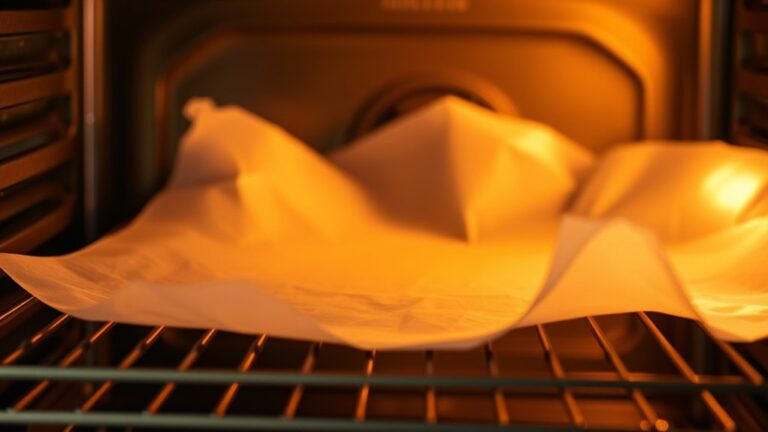
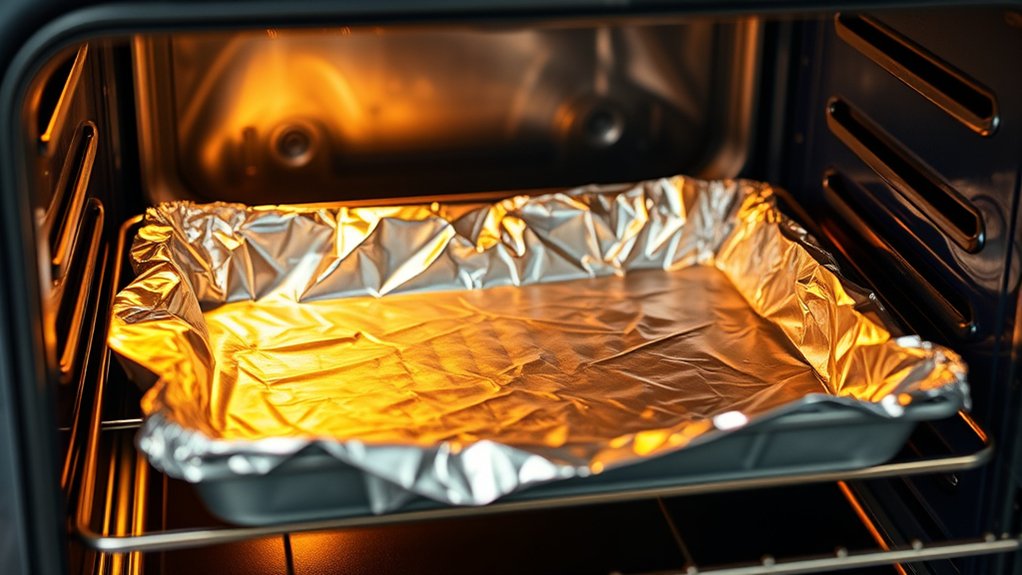
Yes, you can usually put Alfoil in the oven safely, as long as you use it correctly. You should keep the foil flat, secure, and away from heating elements, because poor placement can affect foil safety.
If you line a tray or cover food lightly, you reduce mess without creating unnecessary risk. You shouldn’t let foil touch the oven walls, racks, or burners, since direct contact can lead to sparking in some ovens and may cause oven damage.
You also need to avoid wrapping foil so tightly that steam can’t escape, especially with moist foods. In most standard ovens, plain aluminum foil performs well at normal baking temperatures.
However, you should check your oven manual if you use a convection, toaster, or self-cleaning model, because manufacturers sometimes give specific limits. When you handle foil carefully, you can use it effectively and with minimal risk.
When to Use Alfoil in the Oven
You can use Alfoil in the oven when you want to line a baking tray, protect food from overbrowning, or make cleanup easier after roasting, baking, or reheating. You can also cover dishes loosely to hold in moisture while still letting the food cook evenly.
If you’re cooking vegetables, fish, or leftovers, Alfoil can help shield the surface from direct heat and reduce excessive browning. In these cases, watch the foil’s position so it doesn’t block airflow around the food, since heat distribution matters for consistent results.
Use it when you need a practical barrier between food and pan, especially for sticky or messy recipes. Keep your setup simple and check that the foil stays secure during cooking.
If you’re unsure, compare the recipe’s instructions with the foil usage risks described by the appliance maker. Used carefully, Alfoil can support controlled cooking, cleaner pans, and more predictable oven results without changing the recipe’s basic method.
When Alfoil Can Cause Problems
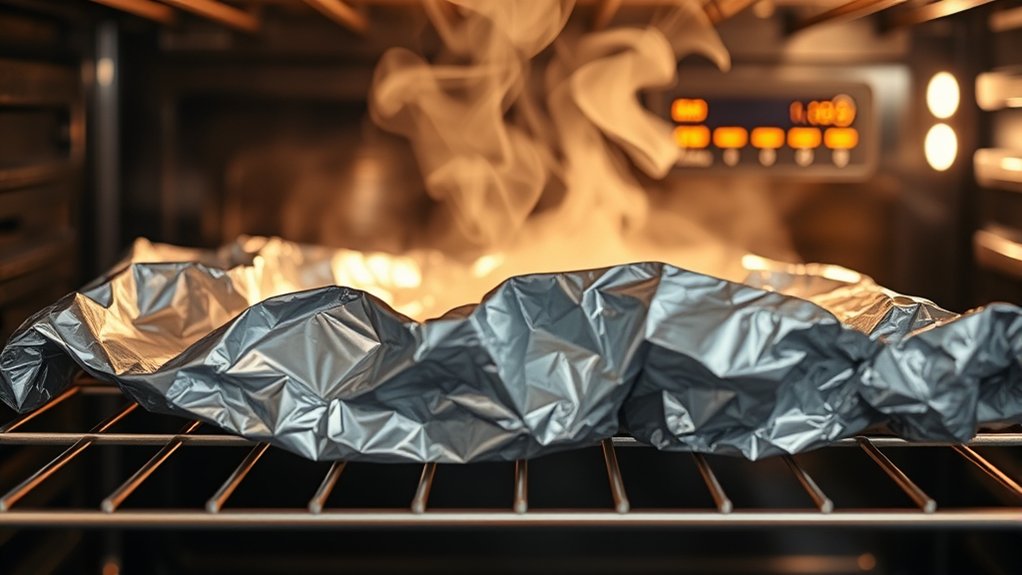
Alfoil can cause problems when it blocks airflow, touches oven elements, or traps heat against delicate food. You need to watch for foil hazards in ovens with exposed heating coils, because direct contact can scorch the foil and damage the appliance.
In convection ovens, large sheets can also disrupt circulation, which may create uneven cooking. If you wrap acidic foods too tightly, the foil can react and affect flavor or texture.
Heat reflection can become an issue when you line the oven in a way that redirects too much heat toward one spot, increasing the risk of overbrowning or hot spots. You should also avoid using foil where steam needs to escape, since trapped moisture can soften crusts and change results.
When you notice these conditions, foil stops being a neutral tool and becomes a source of inconsistent cooking and possible damage.
How to Use Alfoil in the Oven Safely
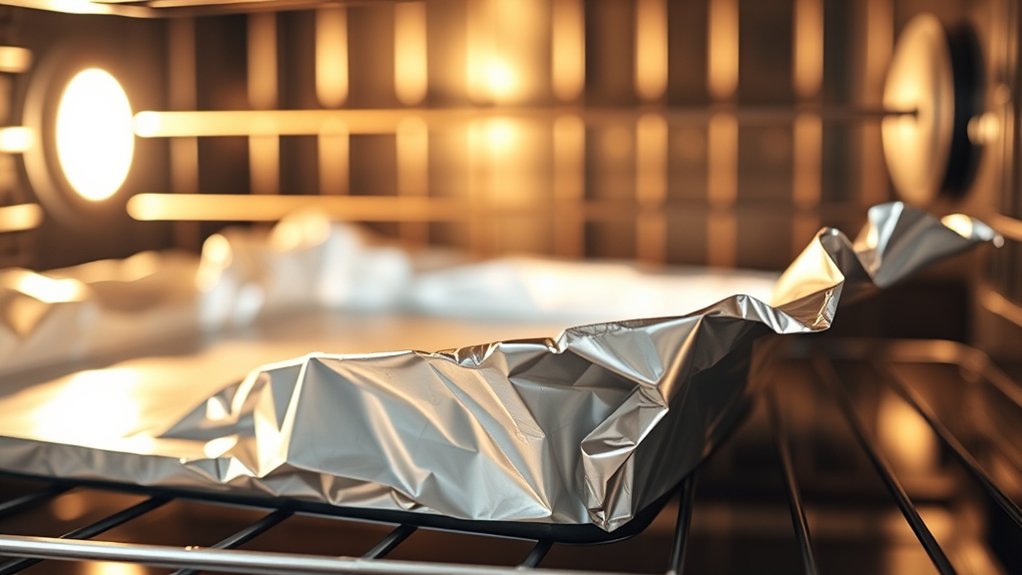
To use alfoil safely in the oven, keep it away from heating elements, leave vents and airflow paths open, and use only the amount needed for the task. You can line a tray or wrap food loosely, but don’t let the foil touch exposed coils, flame sources, or oven walls.
Keep it flat where possible, because crumples can trap heat and restrict circulation. If you cover food, leave a small gap for steam to escape so pressure doesn’t build.
You should avoid letting acidic or salty ingredients sit against the foil for long periods, since they can increase aluminium contamination. For high temperatures, check that the foil stays intact and doesn’t tear or shift.
You may notice slight foil oxidation as a dull surface change; that’s usually expected, but heavy discoloration can signal excessive heat. After cooking, let the foil cool before handling it, and discard any pieces that’ve become brittle, charred, or heavily stained.
Safe Alternatives to Alfoil in the Oven
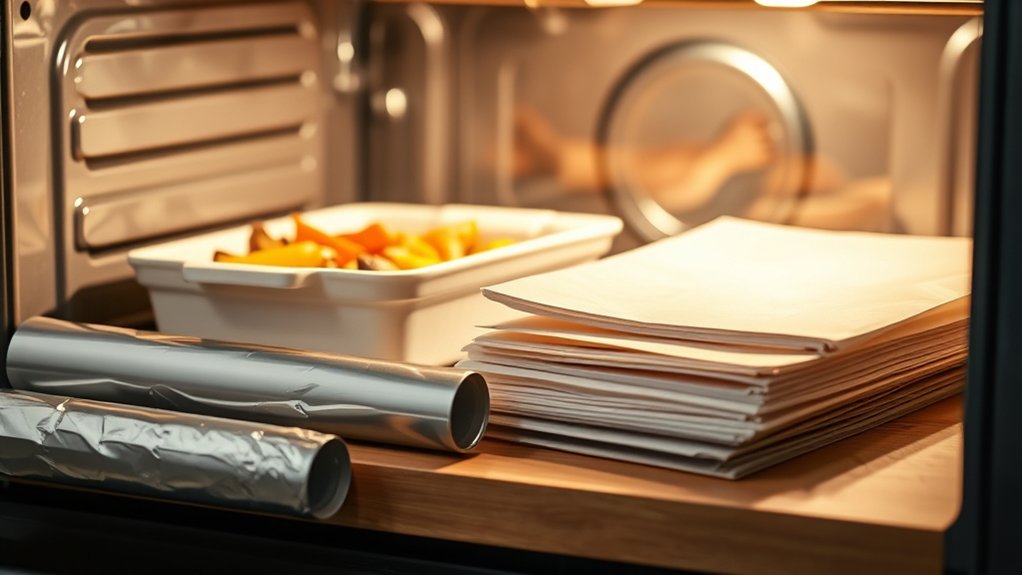
If foil doesn’t suit your recipe, several oven-safe alternatives can do the job more reliably. You can use glass or ceramic baking dishes for casseroles, roasting, and covered baking, since they handle steady heat well.
If foil doesn’t suit your recipe, glass or ceramic bakeware can handle casseroles, roasting, and covered baking reliably.
Parchment paper works for lining trays, protecting cookies, and reducing sticking, but don’t let it touch broiler elements or exceed its rated temperature. Silicone mats offer reusable, nonstick surfaces for baking sheets, and they can replace foil for many routine tasks.
If you need moisture retention, use a tight-fitting oven-safe lid or roasting pan cover instead of wrapping food in foil. For delicate foods, a lightly oiled pan often prevents sticking without aluminum misuse.
Always check manufacturer guidance before you heat any material, because not every product is oven-safe at every temperature. These safe alternatives help you avoid unnecessary risk while keeping cleanup manageable and your results consistent.
Frequently Asked Questions
Does Alfoil Affect Cooking Time in the Oven?
Usually, you’ll see little change in cooking times, though foil safety matters. Foil can reflect heat, so you may need slight adjustments.
Check doneness early, because wrapped food often cooks differently and unevenly.
Can You Reuse Alfoil After Oven Use?
Usually, you can’t safely reuse alfoil after oven use if it’s torn, greasy, or heavily soiled.
You should follow disposal guidelines, and recycling aluminum only applies when it’s clean, dry, and accepted locally.
Is Alfoil Safe With Acidic Foods in Baking?
Generally, no: you shouldn’t use alfoil with acidic foods in baking. Acidic foods can react with foil, affecting foil safety and flavor.
Use parchment or glass instead; it’s better safe than sorry.
Does Oven Temperature Change Alfoil Safety?
Yes, higher oven temperature can affect foil safety by increasing warping, tearing, and food contact risk. You should keep foil away from heating elements, follow the manufacturer’s limits, and avoid direct contact with acidic foods.
Can Alfoil Be Used on Oven Racks?
Yes, you can use alfoil on oven racks, but you should keep it from blocking airflow or touching heating elements. For oven safety, use it sparingly; these two word discussion ideas matter when you cook.
Conclusion
In summary, you can put alfoil in the oven, but you need to use it carefully. Keep it flat, secure, and well away from heating elements, walls, and exposed coils. Don’t block airflow or wrap food too tightly, especially in convection ovens.
Use it to line trays or shield food when needed, and leave vents open. When possible, choose safer options like parchment or silicone mats. One small mistake with alfoil can turn into a kitchen headache the size of a mountain.
Always remember, while it’s generally safe to put alfoil in the oven, careful handling is key to avoiding problems.