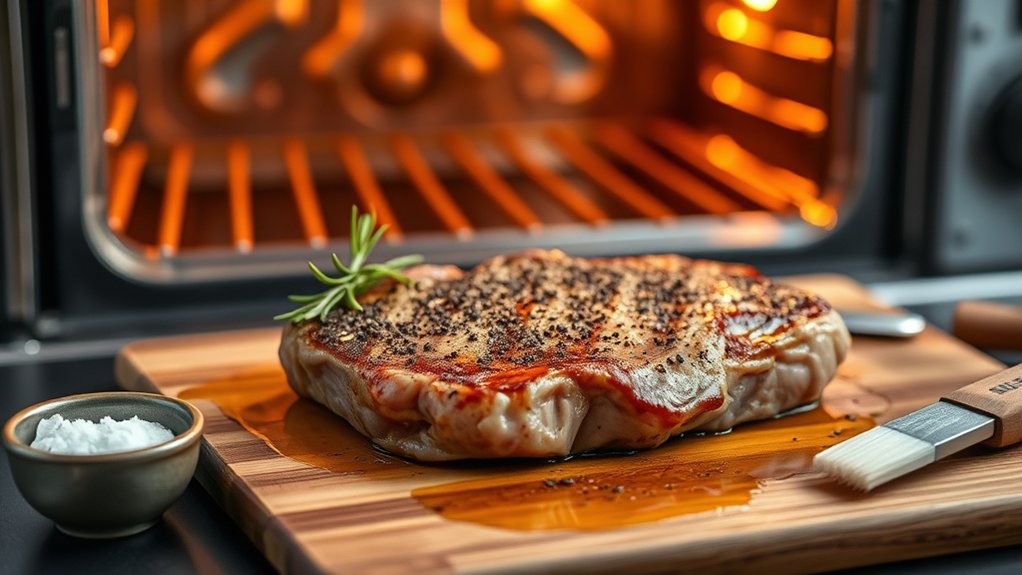
How to Cook London Broil in Oven
London Broil isn’t a cut of meat so much as a cooking method, and that detail changes how you should handle it. For the best results when cooking London Broil in the oven, start by patting the steak dry.
Next, season or marinate the meat to enhance its flavor. Then, roast it hot in a 425°F oven until it reaches the right internal temperature.
Be sure to let the steak rest before slicing. How you cut it can make the difference between tough and tender.
Key Takeaways
- Pat the London broil dry, trim excess fat, season well, and let it sit 20 to 30 minutes before baking.
- Marinate in soy sauce, olive oil, vinegar, garlic, pepper, and brown sugar for at least 4 hours or overnight.
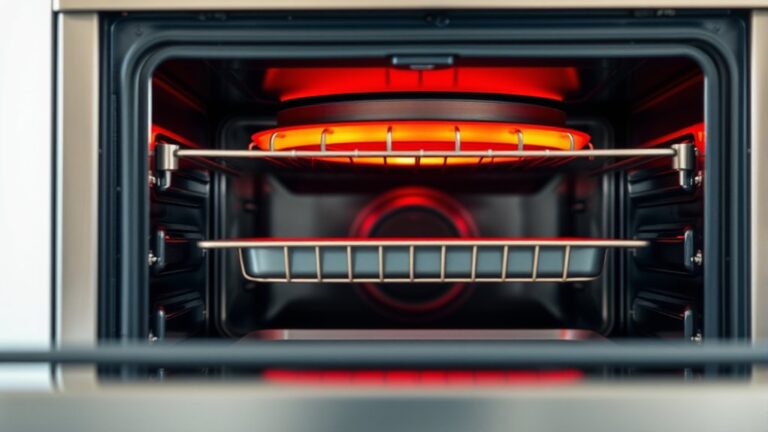
- Preheat the oven to 425°F and place the steak on a rack in a roasting pan for even heat circulation.
- Bake 12 to 15 minutes for medium-rare or 15 to 18 minutes for medium, using a thermometer for 130–145°F.
- Rest 10 to 15 minutes, then slice thinly against the grain for the most tender results.
How to Cook London Broil in the Oven?
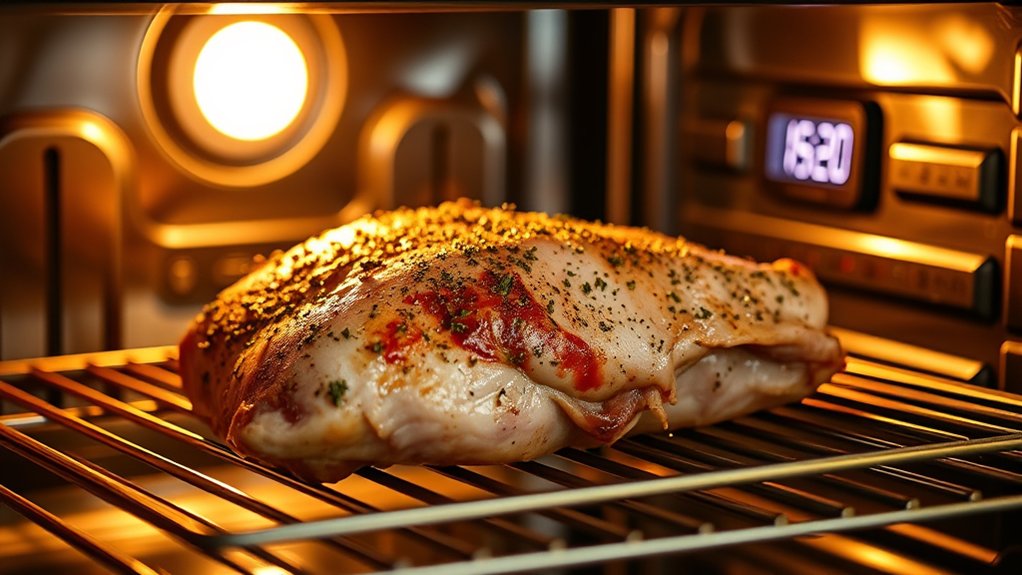
To cook London broil in the oven, start by preheating your oven to 400°F and preparing the meat so it cooks evenly and stays juicy. Pat it dry, then rub it with oil, salt, pepper, and garlic powder. If you want extra flavor, score the surface lightly so the seasoning adheres.
Skip tenderizing myths like pounding it flat for hours; that usually just damages the texture. Instead, use smart kitchen hacks: marinate the meat for 2 to 8 hours, or coat it with a little baking soda rinse if you need faster tenderness.
Place it on a rack in a roasting pan so hot air circulates underneath. Roast it for about 20 to 25 minutes, flipping once halfway through, until the center reaches 130°F for medium-rare.
Let it rest for 10 minutes before slicing thinly against the grain.
What Cut Is London Broil?
London broil started as a method, not a single cut, and you’ll usually see it made from lean, tough beef that handles high heat well. You’ll often use top round, flank steak, or similar cuts, because they slice neatly after resting and stay tender when you cut across the grain.
The name stuck because it describes the cooking style, not the meat itself, so you need to check the cut before you season and roast it.
London Broil Origins
Ever wondered what actually counts as London broil? You should know it’s not one fixed cut; it began as a preparation, not a label. In older kitchens, you’d marinate a lean, thick steak, then broil it hot and slice it thin across the grain.
That method came from practical culinary science: acid helps tenderize, high heat builds browning, and resting preserves juices. The origin flavors were simple but bold, often garlic, pepper, soy, and vinegar, designed to complement beef rather than mask it.
When you shop, read the package carefully, because the name may describe the cooking style more than the meat itself. Focus on a piece that’s reasonably lean, evenly thick, and suitable for fast, intense oven cooking.
Typical Beef Cuts
So what cut is London broil? You usually work with tougher, lean beef cuts that benefit from marinating and high-heat roasting. Choose one of these typical options:
| Cut | Notes |
|---|---|
| Top round | Lean, affordable, slices well |
| Flank steak | Thin, flavorful, cooks quickly |
| Top sirloin | Tenderer, still works for broiling |
You’ll get the best results when you slice the meat thinly against the grain after resting. That keeps each bite more tender and easier to chew. For your recipe, focus on thickness, even shape, and simple seasoning. Don’t get distracted by two word discussion ideas or an irrelevant topic; what matters is selecting a cut that cooks evenly and delivers good flavor in the oven.
Why It’s Named כך
Despite the name, “London broil” isn’t a specific cut of beef at all; it usually refers to a cooking method and a finished dish. You’ll most often buy flank steak, top round, or sirloin labeled this way.
What’s the history? The term likely came from North American butchers who borrowed a British-sounding name to make a lean, affordable roast sound more refined. To get the best result, you should choose a firm, well-marbled piece, then marinate it so it stays tender.
Its flavor profile is beefy, slightly robust, and best when sliced thinly across the grain. That slicing matters because it shortens the muscle fibers and makes each bite easier to chew.
How to Prepare London Broil?
To prepare London broil for the oven, start by patting the steak dry with paper towels so the seasoning sticks and the surface browns well. Next, trim off any thick surface fat or silverskin, but leave the meat intact so it cooks evenly.
If the cut is very thick, score the top lightly in a crosshatch pattern; this helps seasonings penetrate and reduces curling. Set the steak on a rimmed pan or cutting board, then rub it with salt, black pepper, and your chosen dry spices.
For quick flavor, use two word ideas1 and two word ideas2 as simple seasoning ideas. Let the meat sit at room temperature for 20 to 30 minutes before cooking, which promotes more even heat transfer.
Keep the preparation lean and direct, since London broil benefits from strong surface seasoning and careful handling, not extra fuss.
A Simple Marinade for Tender London Broil
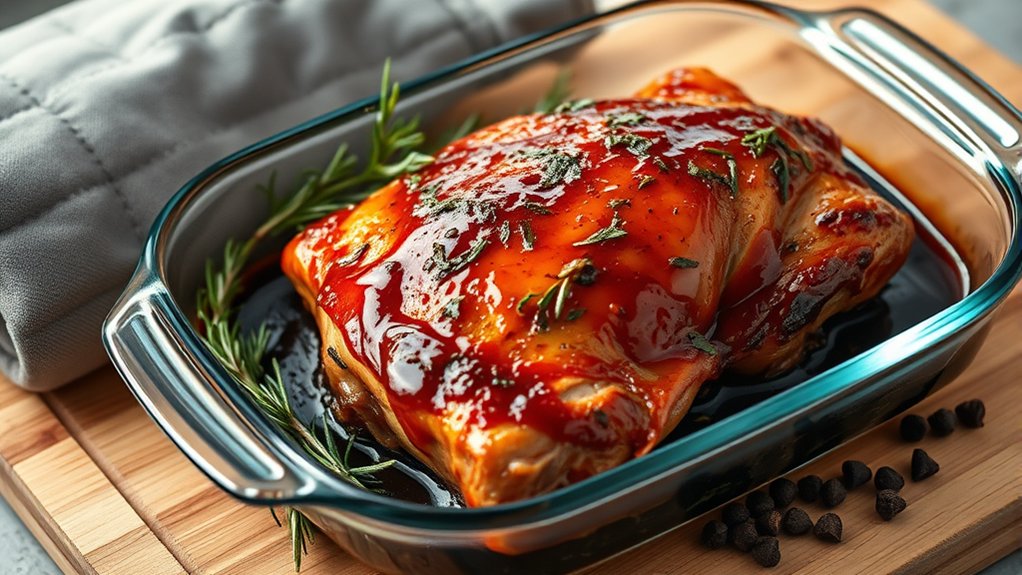
A simple marinade can take London broil from merely seasoned to noticeably more tender and flavorful. Mix 1/4 cup soy sauce, 2 tablespoons olive oil, 2 tablespoons red wine vinegar, 2 minced garlic cloves, 1 teaspoon black pepper, and 1 teaspoon brown sugar in a bowl. Whisk until the sugar dissolves.
Place the steak in a zip-top bag or shallow dish, then pour in the marinade and turn the meat to coat every surface. Refrigerate it for at least 4 hours, or overnight for deeper flavor. If you use simple knife skills to trim excess fat before marinating, the seasonings penetrate more evenly.
When you’re ready to cook, remove the steak from the marinade and discard the liquid. Pat the meat dry with paper towels so it browns well later. This method also helps with kitchen cleanup because the bag or dish contains the marinade instead of letting it spread across your counter or sink.
What Oven Temperature Should You Use?
Set your oven to 425°F for a London broil that browns well without overcooking. This temperature gives you strong surface heat, which supports browning through baking chemistry while keeping the interior from drying out. You want enough heat to trigger roasting science: the meat’s exterior sears quickly, flavor concentrates, and the roast develops a savory crust.
If your cut is especially thick, 425°F still works because it balances speed and control. If you go much lower, you’ll get less browning and a softer surface. If you go much higher, you risk burning the exterior before the center cooks evenly.
Use an oven thermometer if yours runs hot or cool, since even a small shift can change results. Place the broiled meat in the preheated oven only after it reaches temperature. That way, you start with consistent heat and better predictability every time.
How Long Should London Broil Bake?
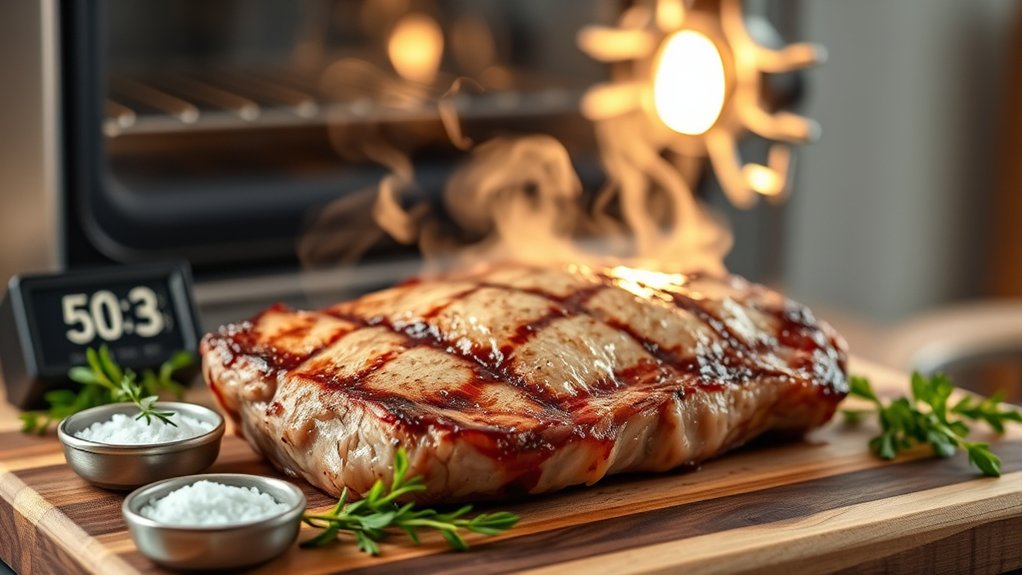
How long should London broil bake? At 425°F, you should bake a 1 1/2-inch piece for about 12 to 15 minutes for medium-rare, or 15 to 18 minutes for medium. If your roast is thinner, start checking at 10 minutes; if it’s thicker, plan on a few extra minutes.
Always rest it 10 minutes after baking so the juices settle and the meat slices cleanly. Use your oven’s center rack and keep the pan uncovered so heat reaches the surface evenly. Avoid opening the door often, since that drops the temperature and extends the bake time.
For topic ideas, you can pair this timing with guides on marinating, broiling, and slicing against the grain. If you’re getting unrelated questions about side dishes or sauces, answer them separately so this timing stays clear. Follow the clock closely, and you’ll keep control over texture, moisture, and flavor without guessing.
How Do You Know When It’s Done?
You’ll know London broil is done by checking its internal temperature, not just the clock. Insert an instant-read thermometer into the thickest part of the meat, avoiding fat and the pan. For medium-rare, aim for 130°F to 135°F; for medium, target 140°F to 145°F.
If you prefer a firmer slice, go a little higher, but don’t overcook it, because London broil toughens quickly. You can also use visual cues: the surface should be deeply browned, and the juices should look lightly clear, not bloody.
When you press the center with tongs, it should feel springy, not soft and raw. That’s your best guide for timing. For a quick two word discussion idea one, note the color change. For two word discussion idea two, check the thermometer again in a different spot.
When both signs match your target, pull it from the oven right away.
Why Should You Let London Broil Rest?
Let the London broil rest for 10 to 15 minutes after it comes out of the oven so the juices can redistribute through the meat. During this resting meat period, the surface cools slightly and the muscle fibers relax, which helps the steak hold onto moisture instead of spilling it onto your cutting board.
If you cut too soon, the juices run out, and the meat can taste dry even when you cooked it correctly. Cover it loosely with foil to keep it warm without trapping excess steam, which can soften the crust. Use this time to prepare your slicing technique and your serving plate.
Resting also gives you a cleaner, more even texture from edge to edge, so each bite feels tender and juicy. When you wait patiently, you protect flavor, improve appearance, and make the final slice easier to serve.
How Do You Slice London Broil Against the Grain?
To slice London broil against the grain, first look for the direction the muscle fibers run, which usually appears as long parallel lines on the surface of the meat. Turn the roast so your knife crosses those lines at a 90-degree angle.
Use a sharp slicing knife, hold the meat steady with a fork, and make thin, even cuts for tenderness. If the grain changes direction, rotate the roast and reset your angle before continuing.
Keep your fingers tucked for knife safety, and use smooth strokes instead of sawing. Slice only after the meat has rested, so juices stay in the cut surfaces and your slices stay neat.
If you seasoned the roast well, the spice balance will still come through in every bite, because thinner slices distribute flavor evenly. Aim for slices about 1/4 inch thick, and trim any tough connective bands as you go.
Frequently Asked Questions
Can I Broil London Broil Instead of Baking It?
Yes you can broil London broil instead of baking it. Broiling uses a direct top heat source, so you’ll cook faster than with baking.
For broil vs bake, watch closely and flip once for even doneness.
Should I Use a Cast Iron Skillet for London Broil?
Yes, you should use a cast iron skillet; it’s a heat sponge that sears evenly. You’ll get strong cast iron benefits, but other alternative pans work if they’re oven-safe and hold heat well.
Can I Cook London Broil From Frozen?
Yes, you can, but you’ll get better results if you thaw it first. This frozen thaw debate matters: you’ll season and cook more evenly after thawing.
A two word discussion? Safety matters.
What Sides Pair Well With London Broil?
You’ll want hearty vegetable sides like roasted asparagus, green beans, or garlic mashed potatoes first, then finish with sauce pairings such as chimichurri or mushroom gravy. They’ll balance the rich, savory London broil beautifully.
How Do I Store Leftover London Broil Safely?
Store leftover london broil in shallow airtight containers within two hours. Refrigerate at 40°F or below, and eat within 3–4 days.
For longer leftover storage, freeze it. Always follow food safety and reheat thoroughly.
Conclusion
Now you know how to cook London broil in the oven with confidence. If you want juicy, tender slices, remember that marinating matters: studies show that salt can help meat retain more moisture during cooking. Roast the steak at 425°F and check for an internal temperature of 130–135°F for medium-rare.
Then, let it rest before slicing thinly against the grain. When you follow these steps, you’ll turn a tough cut into a flavorful, satisfying dinner. Mastering these techniques ensures your London broil is always delicious and cooked to perfection.