What Is Broiler on Oven
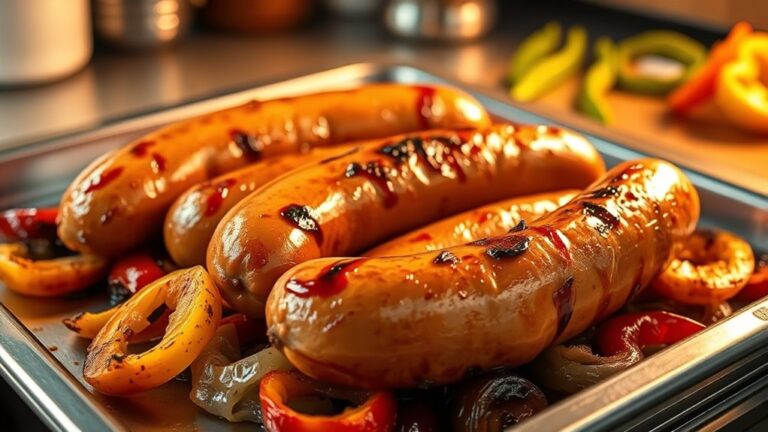
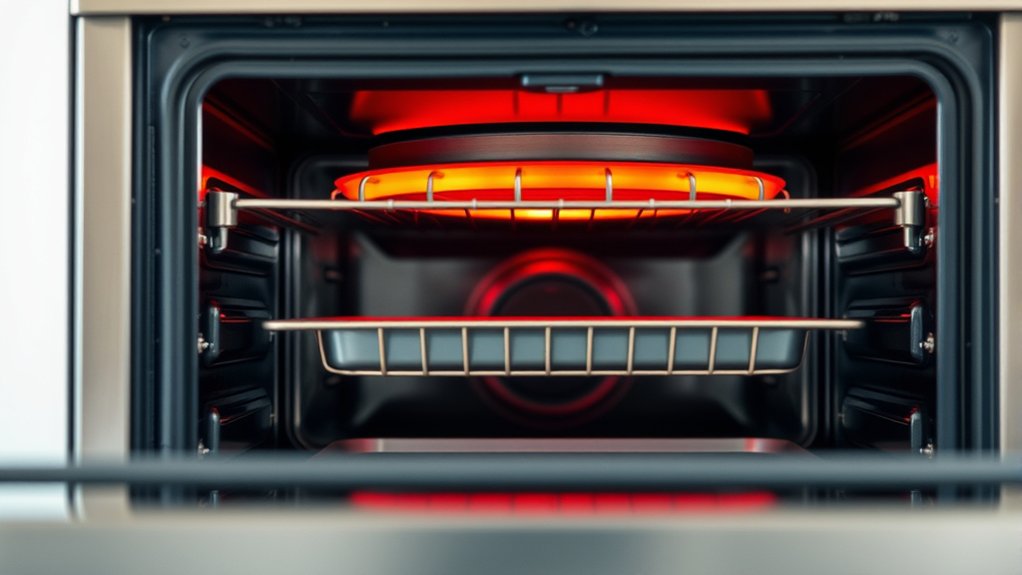
If you’ve ever seen the broiler on oven setting and wondered what it actually does, you’re looking at a tool built for intense top-down heat. It doesn’t bake food slowly; it sears, browns, and finishes in minutes.
You can use it to crisp a topping, caramelize sugar, or give meat a final crust, but timing matters fast. Once you know how it works, the real difference shows up in what it can do.
Key Takeaways
- A broiler is the oven’s top heat setting that cooks food from above with intense heat.
- It uses a top electric element or gas flame to rapidly brown, crisp, and caramelize food.
- Broiling works by direct radiant heat, so the food’s surface cooks fast while the inside stays tender.
- It is best for melting cheese, toasting toppings, and finishing meats, fish, or vegetables.
- Watch food closely and use safe cookware, because broilers can burn food quickly.
What Is a Broiler in an Oven?
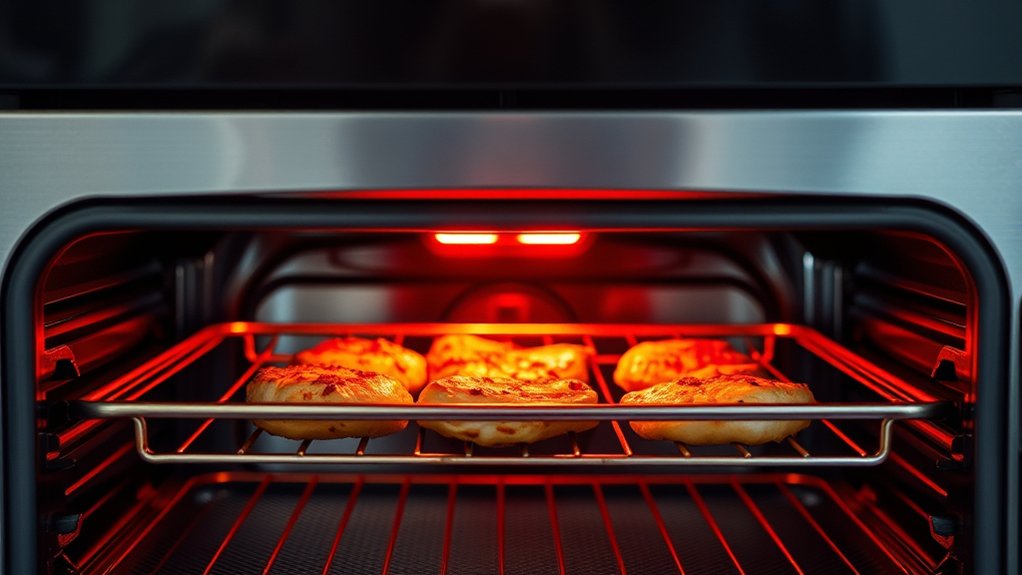
A broiler in an oven is the high-heat setting that cooks food from above, usually with the top heating element. You use it when you want quick browning, crisp edges, or a caramelized finish on meats, vegetables, and casseroles.
Think of it as a focused blast of intense heat that works fast, so you’ll want to watch your food closely to avoid burning. You place dishes on a broiler-safe pan or rack, then slide them near the top of the oven for maximum exposure.
Good broiler maintenance helps it perform well, so keep the cavity clean and remove grease buildup regularly. That also supports kitchen safety, since leftover drips can smoke or ignite.
When you understand this setting, you can add color and texture to meals without lengthy cooking times. Use it carefully, and you’ll get bold results with minimal effort.
How an Oven Broiler Works
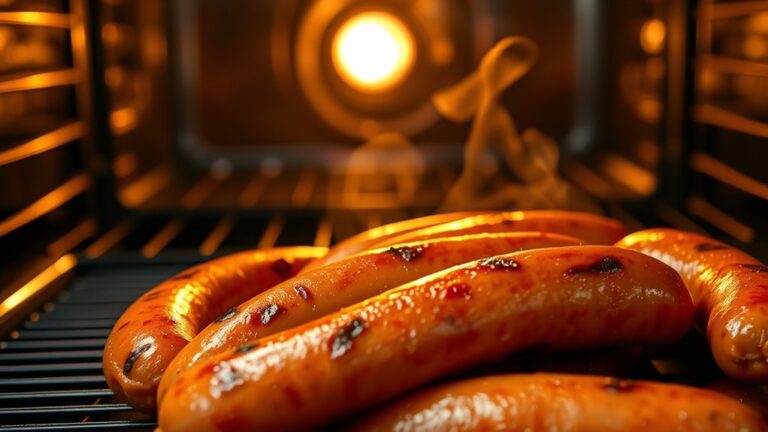
When you turn on the broiler, it uses a high heat source, usually the top element or a gas flame, to fire up quickly. You’ll feel direct radiant heat from above, which targets the food’s surface and browns it fast.
That intense top-down heat helps you crisp, char, and finish dishes with precision.
Broiler Heat Source
Inside the broiler, intense heat comes from a gas flame or an electric heating element positioned at the top of the oven. You use it to add quick grill flavors without firing up an outdoor grill, and it’s one of those urban cooking hacks that saves time on busy nights. The source warms fast, so you can brown, crisp, and finish food in minutes.
- You get instant heat for fast meals.
- You can toast toppings and melt cheese with ease.
- You control the setting to match your dish.
When you understand where the heat comes from, you can place food confidently and watch it closely. That top-mounted source gives you the power to boost flavor, color, and texture with less effort than you’d expect.
Direct Radiant Heat
The broiler works by sending intense direct radiant heat straight down onto your food, so the top surface cooks fast while the inside stays tender. You place the pan close to the element, and the heat waves brown, blister, and caramelize almost instantly.
Unlike baking, this method doesn’t rely on circulating air, so you get a sharp sear instead of gentle all-around cooking. That’s why steaks, fish, and cheese toast finish with bold color and flavor.
Some broiler myths say it only burns food, but timing and distance give you control. For oven safety, keep handles away from the heat, use sturdy cookware, and watch closely. A few seconds can make the difference between golden perfection and overdone edges.
When Should You Use the Broiler?
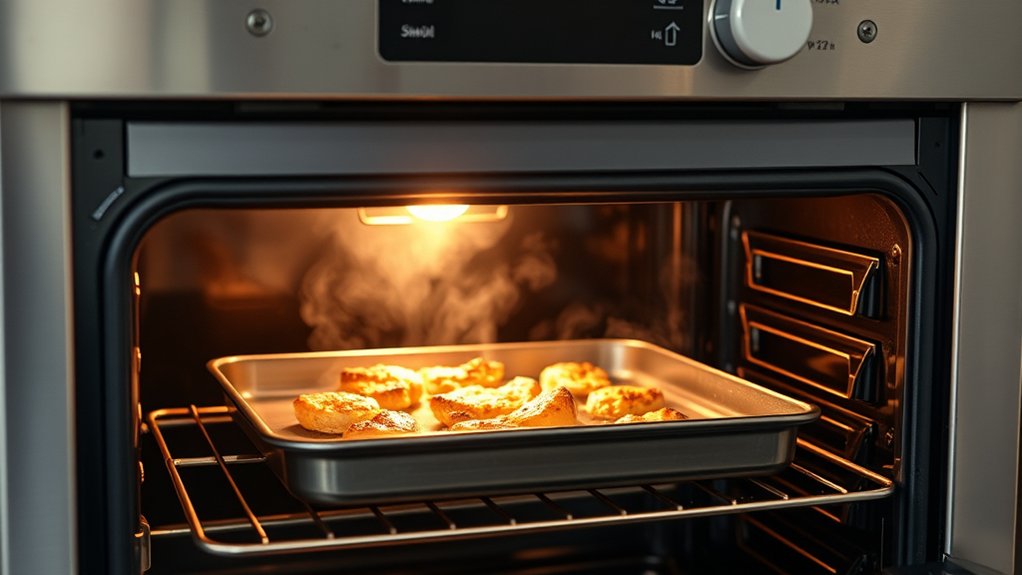
You should use the broiler when you want intense, direct heat to quickly brown, crisp, or caramelize the top of a dish. It’s ideal when you want fast results and bold surface color without changing the rest of the food much.
In kitchen dynamics, the broiler helps you finish meals with confidence, and in flavor chemistry, it deepens sugars and proteins into savory, toasted notes.
- Melt cheese on casseroles, nachos, or French onion soup.
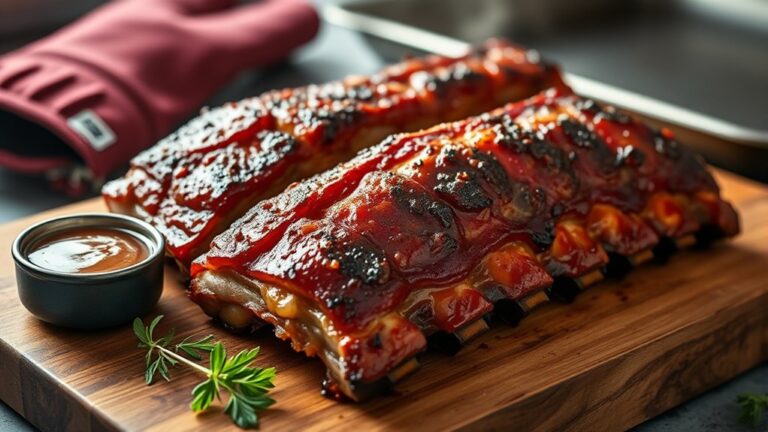
- Give steaks, salmon, or chops a seared-looking finish.
- Brown breadcrumbs, meringues, or fruit toppings for extra contrast.
Use it for foods that already cook through well on the stove or in the oven but need a final burst of heat. You’ll notice how quickly it changes texture and appearance, so it’s perfect when you want your dish to look appetizing and taste richer.
How to Broil Food Without Burning It
Broiling can give you fast, beautiful browning, but it also leaves very little room for error. To keep food from burning, move the rack so the surface sits a few inches below the element, then preheat the broiler briefly.
Pat food dry, brush on a little oil, and season lightly; excess moisture and sugar scorch fast. Watch the timer closely, and don’t walk away, because broiler baking works in minutes, not hours.
If you need more even color, rotate the pan once during cooking. Use a sheet pan lined with foil for easier cleanup, and keep the oven door slightly open only if your model allows it.
For smoke management, trim excess fat and clear the oven of drips. When the edges turn deep golden, pull the food early; carryover heat will finish the job without turning dinner bitter.
Best Foods for the Broiler
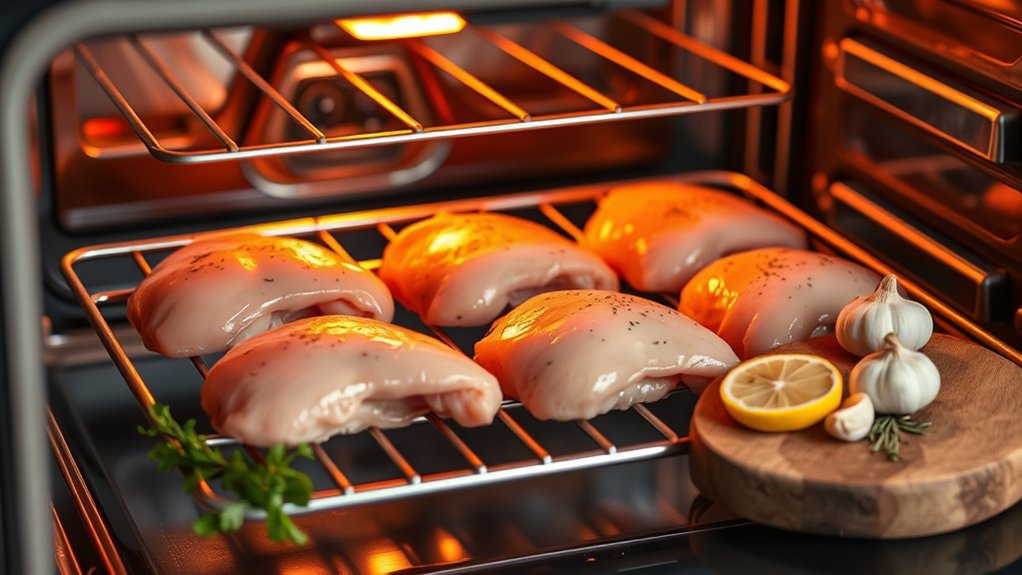
When you use your broiler, choose foods that cook fast and love intense heat, like crisp vegetables, thin cuts of meat, and bubbling cheese toppings. You’ll get the best results when you place them close to the heat so they char, brown, and melt in minutes.
These foods respond well to the broiler’s direct flame, giving you bold flavor and a finished look without long cooking times.
High-Heat Vegetables
Which vegetables hold up best under fierce broiler heat? You’ll want sturdy, high-moisture choices that caramelize fast without collapsing. Broiler myths say only meat belongs here, but vegetables thrive too, and they boost energy efficiency because you cook them quickly at intense heat.
- Bell peppers: Their skins blister beautifully, turning sweet and smoky.
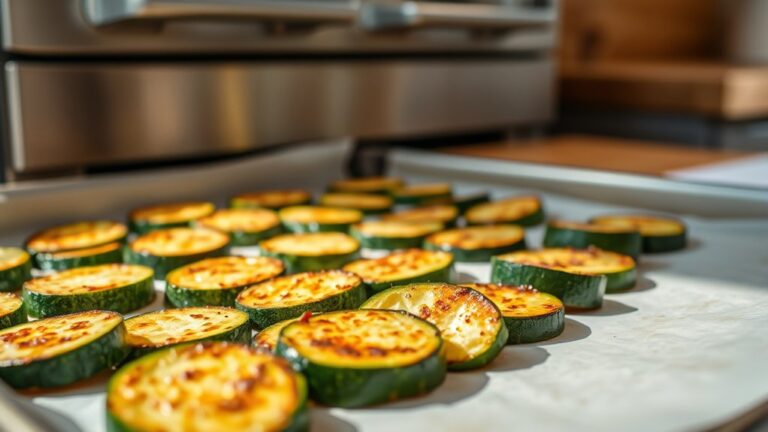
- Zucchini: Slice it thick so it browns on top while staying tender inside.
- Asparagus: Lay it in a single layer and watch the tips crisp in minutes.
Toss your vegetables with oil, salt, and pepper, then broil close to the element. Keep an eye on them, because the difference between perfect char and burnt edges is often less than a minute.
Thin Cuts Of Meat
Thin cuts of meat are ideal for the broiler because they cook fast, brown beautifully, and stay juicy if you keep a close eye on them. You can broil steak, chicken cutlets, pork chops, or lamb chops when they’re no thicker than about an inch.
The intense top heat sears the surface quickly, giving you a crisp edge and a flavorful crust without drying out the center. For best results, place the meat on a rack so air and heat circulate evenly underneath.
Season simply with salt, pepper, and herbs, then watch closely, since broilers work fast. This two word discussion idea helps you choose cuts that respond well to direct heat, and that two word discussion idea keeps dinner tender, browned, and satisfying.
Melting Cheese Toppings
Cheese is one of the broiler’s best uses, especially when you want a fast, bubbly finish on top of a dish. You can use the broiler to turn plain meals into crisp, golden comfort food in minutes. For the best melting cheese, choose varieties that soften evenly and brown well.
- Mozzarella gives you stretchy, creamy coverage.
- Cheddar adds sharp flavor and a deep golden top.
- Parmesan creates a salty, crisp finish.
Watch topping placement closely so the cheese sits under steady heat, not too close to the element. Spread it evenly, and keep portions thin to prevent burning before the center melts. When you broil with care, you get rich flavor, appealing color, and a finish that looks as good as it tastes.
Broiler Safety Tips and Common Mistakes
When you use the broiler, how do you keep things safe and avoid a burnt mess? Start by wearing safety gear like oven mitts and using long-handled tools. Keep the rack in the right spot, usually a few inches below the flame or heating element, so food browns instead of chars.
Watch your food closely, because broilers work fast and can turn from golden to black in seconds. Good kitchen ventilation helps clear smoke and keeps your space comfortable. Preheat only if your oven manual says to, and never leave the broiler unattended.
Avoid using glass dishes unless they’re broiler-safe, and don’t crowd the pan, or heat won’t circulate evenly. You should also pat food dry, since excess moisture can cause splattering. Finally, pull food out a little early and let carryover heat finish the job.
Frequently Asked Questions
Does Broiling Use More Electricity Than Baking?
Yes, you usually use more electricity broiling than baking because the broiler runs at higher power, though for shorter periods.
In this appliance comparison, your broiling energy costs can vary with food, time, and oven efficiency.
Can You Broil With a Toaster Oven?
Yes, you can broil with a toaster oven if it has a broil setting. Use toaster oven techniques, keep food close to the element, and follow broiling safety by watching it closely and avoiding overheating.
How Far Should Food Be From the Broiler?
You should keep food 4 to 6 inches from the broiler, adjusting for heat intensity. Like standing too close to a campfire, distance guidance matters.
Check pan safety, and move food lower if it’s browning too fast.
Do You Need to Preheat the Broiler?
Usually, you don’t need to preheat the broiler, but some ovens need brief preheating.
Check your preheating requirements and choose broiling temperature ranges carefully; a hot broiler sears fast and helps brown food evenly.
Can Broiler Pans Go in the Dishwasher?
Yes, you can often put broiler pans in the dishwasher, but check your model first. Think of it like a shortcut that still needs caution; you’ll protect broiler safety and extend oven maintenance.
Conclusion
Now that you know what the broiler in your oven does, you can use it like a spotlight instead of a bonfire. I once watched a cheese-topped casserole go from pale to perfectly golden in 90 seconds, then nearly burn in 10 more.
That’s the broiler: fast, powerful, and unforgiving. Keep your food close, dry, and watched, and you’ll turn simple dishes into crisp, caramelized wins without the smoke alarm joining the show.
With this understanding, you can confidently master the broiler on oven to enhance your cooking results every time.