How Long to Cook Potatoes in Oven
At 415°F, cooking potatoes in the oven requires careful timing to ensure even results. A tray of uneven potato chunks can turn half crisp and half pale in the same hour, which is why timing matters. Matching oven temperature to size, cut, and type is essential for perfectly cooked potatoes.
You’ll get reliable results when you check doneness by feel instead of relying on the clock alone. Keep the pieces in a single layer to avoid the most common mistake. However, the exact timing depends on one detail that changes everything.
Key Takeaways
- Bake most potatoes at 400°F to 425°F for reliable results and better browning.
- Check tenderness after 45 to 75 minutes, depending on potato size and type.
- Wedges usually cook in 25 to 35 minutes at 425°F.
- Test the thickest potato first; a knife should slide in with little resistance.
- Spread potatoes in a single layer with space between pieces to avoid steaming.
How Long to Cook Potatoes in the Oven
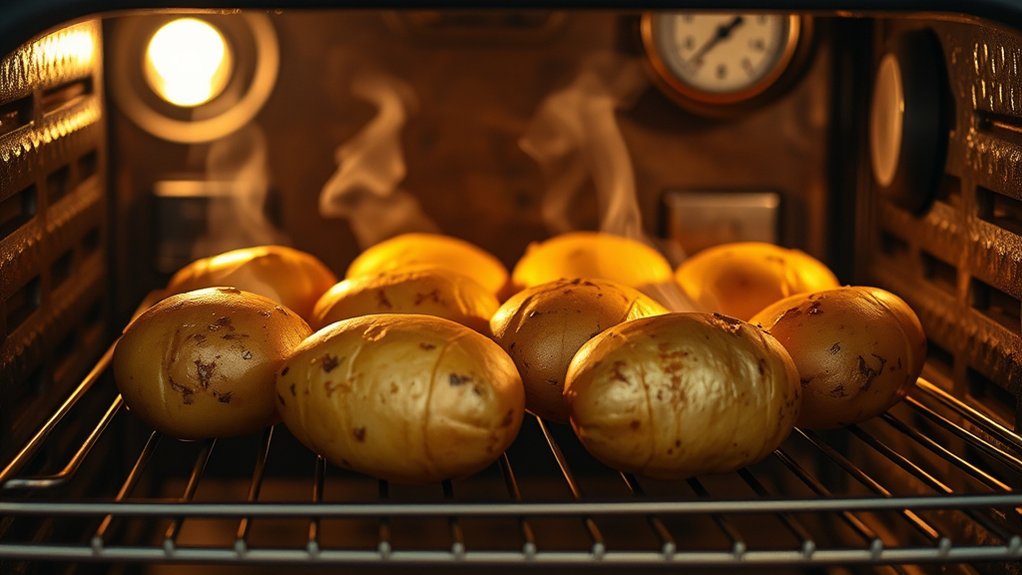
How long you cook potatoes in the oven depends on their size, shape, and the temperature you use. For a reliable result, set your oven between 400°F and 425°F and check for tenderness with a fork after 45 to 75 minutes. You’ll usually need less time for smaller potatoes and more time for dense ones.
Keep your oven fully preheated so the potatoes start cooking evenly. If you’re choosing potato varieties, remember that waxy types hold their shape better, while starchy types turn softer and fluffier.
Store potatoes in a cool, dark, dry place before baking; proper potato storage helps them cook predictably and prevents sprouting or shriveling. Wash and dry them well, then bake until the skin feels crisp and the center gives easily when pierced.
If you want accuracy, test the thickest potato first, then add time in 5-minute increments until it’s done.
Bake Potatoes by Size and Type
Size and type change oven time more than anything else, so match your method to the potatoes you’re baking. Small potatoes finish fast because their centers heat quickly; large ones need longer, steadier cooking. For even results, keep pieces uniform, or you’ll end up with some parts soft and others firm.
Size and type matter most: keep potatoes uniform so they cook evenly and finish at the same time.
A waxy potato variety, such as red or Yukon Gold, holds its shape well and suits roasting or quartering. A starchy variety, like Russet, dries out faster on the edges and works best when you want a fluffy interior.
Your cooking method should reflect that difference: whole baking favors larger Russets, while cut potatoes cook more efficiently when you roast them in similar sizes.
If you’re using baby potatoes, leave them whole and check them early. If you’re baking thick wedges, expect them to take longer than cubes. Always test the largest piece first, then keep baking until it yields easily.
Best Oven Temperatures for Potatoes
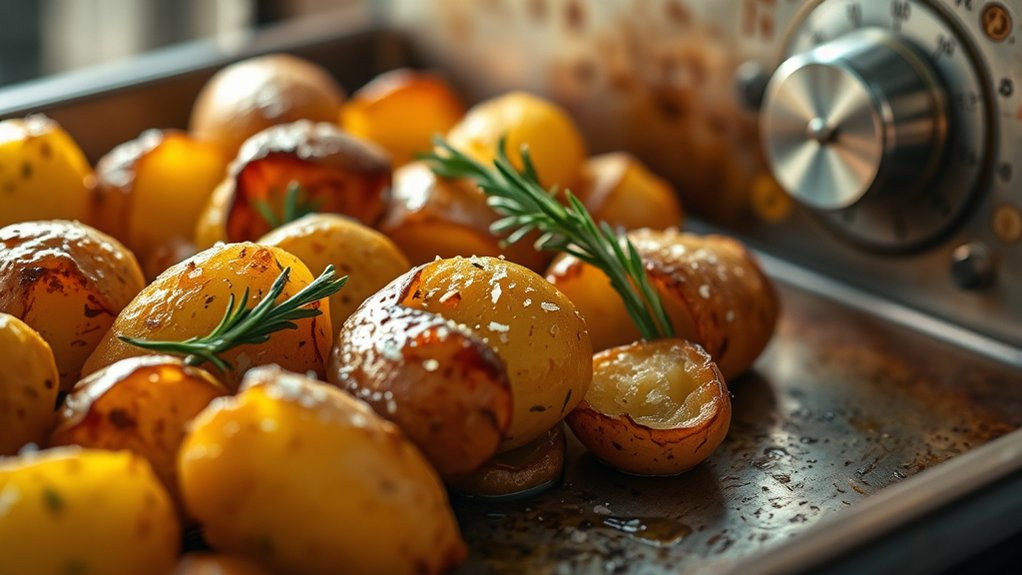
For most potatoes, 400°F gives you the best balance of speed and texture: hot enough to brown the outside, but not so hot that the center lags behind. Use this best temperature for russets, Yukon Golds, and other medium to large potatoes when you want even baking without drying them out.
If you’re roasting small potatoes or cubes, raise the heat to 425°F to boost browning and shorten cook time. For very dense potato variety, especially large russets, 375°F can work if you prefer a gentler bake and don’t mind waiting longer.
Keep your oven fully preheated before you slide the potatoes in, because a cold start slows everything down and gives uneven results. If you’re baking multiple trays, stick with the middle rack and avoid crowding so heat can circulate properly.
Match the temperature to size, shape, and variety, and you’ll get more consistent potatoes every time.
How to Tell When Potatoes Are Done?
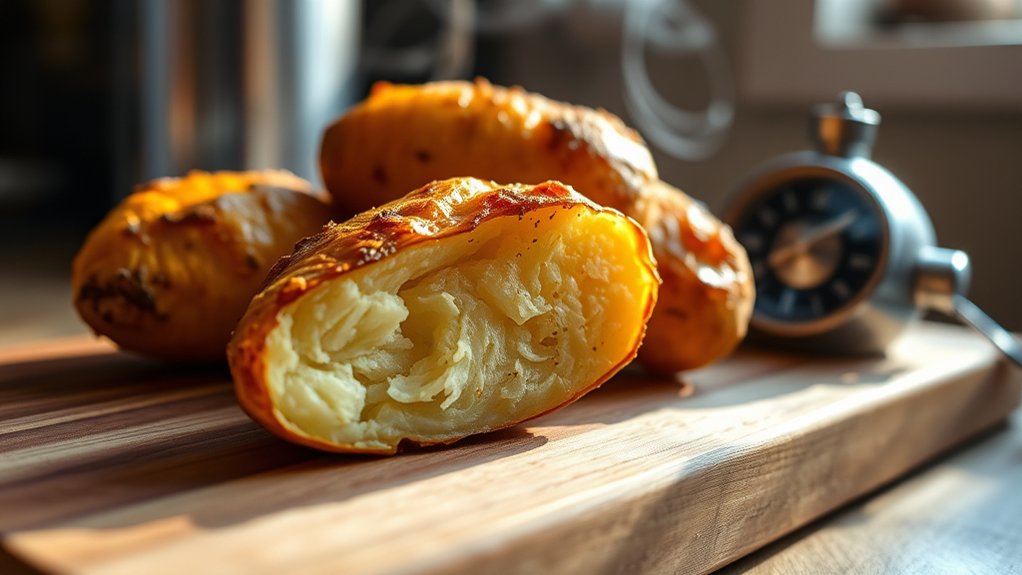
A potato is done when a knife or skewer slides into the center with little resistance and comes out clean or with just a few moist crumbs. You should test the thickest part, not the edge, because the center cooks last.
If you prefer certainty, gently squeeze the potato with oven safe utensils; it should feel soft but still hold its shape. The skin may look wrinkled, and the flesh may give slightly when pressed.
Don’t rely on color alone, since cooking potato myths often suggest a deep brown surface means tenderness. That’s unreliable. For even results, check more than one potato, especially if sizes vary.
If your utensil meets firm resistance, return it to the oven and test again after a few minutes. You’re looking for a fully tender interior, not mushy collapse.
Once the center is soft and uniform, pull it out and let it rest briefly before serving.
Cooking Times for Potato Wedges
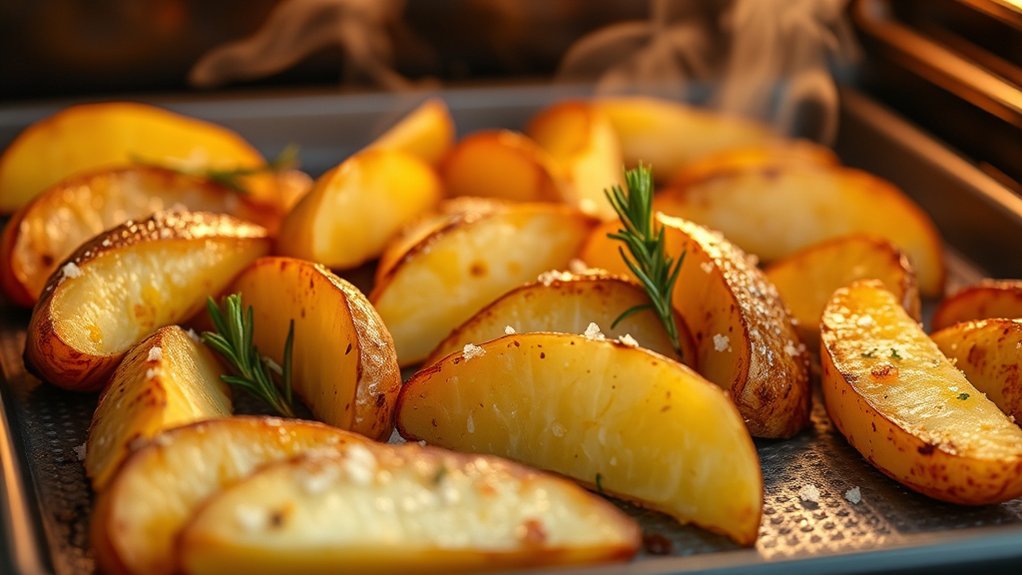
How long potato wedges take in the oven depends on their thickness and how crowded your pan is, but most wedges need about 25 to 35 minutes at 425°F. You should cut them into even wedges so they cook at the same rate.
Toss them with oil, salt, and any seasoning, then arrange them in a single layer with space between each piece. If you pack the pan, they’ll steam instead of brown.
Check for doneness by piercing the thickest wedge with a fork; it should slide in easily and the edges should look crisp and deep golden. For the best texture, consider peeling vs leaving skin: leaving the skin on adds structure and extra crunch.
If you’ve handled potato storage well and kept your potatoes cool, dry, and away from light, they’ll roast more evenly and taste fresher. Thicker wedges may need a few extra minutes, while thin ones can finish sooner, so watch closely near the end.
How to Roast Baby Potatoes
Baby potatoes roast quickly because they’re small and evenly sized, so you usually need about 25 to 30 minutes at 425°F. You should wash and dry them, then halve any larger ones so they cook at the same rate.
Toss them with olive oil, salt, and black pepper, and add garlic powder, rosemary, or thyme if you want extra flavor. Spread them cut-side down on a sheet pan in a single layer; crowding slows browning and softens the roasted texture.
Roast until they’re fork-tender and deeply golden on the edges. If you’re missing olive oil, use melted butter or avocado oil as pantry substitutions.
For best results, turn them once halfway through cooking so all sides color evenly. Let them rest for a few minutes before serving; this helps the surface set and keeps the interior creamy and warm.
Tips for Crispier Oven Potatoes
Want crispier oven potatoes? Start by drying the cut pieces well, then use the steam trick: simmer them briefly, drain, and shake them so the edges rough up. That thin layer turns glassy in the oven.
| Technique | Effect |
|---|---|
| Parboil, then steam-dry | Boosts surface crunch |
| Use a hot pan | Promotes fast browning |
| Space potatoes apart | Lets moisture escape |
| Finish with high heat | Deepens color and crispness |
Toss the potatoes with just enough oil to coat every surface. If you want oil alternatives, try a light mist of avocado oil spray or a small amount of melted duck fat for stronger browning. Preheat your tray so the bottoms start searing immediately.
Flip once halfway through roasting, and don’t crowd the pan. Salt after roasting if you want sharper texture. These steps help you get firm centers and crisp, golden edges every time.
Common Oven Potato Mistakes
You can ruin oven potatoes before they even bake if you skip prep, use the wrong temperature, or crowd the baking sheet. Wash, cut, and dry them well, then set your oven correctly so they cook evenly and brown properly.
Leave space between pieces, or they’ll steam instead of crisp.
Skipping Potato Prep
Skipping the prep step can leave you with potatoes that cook unevenly, turn out soggy, or develop tough skins. When you skip prep, you block heat from reaching the center evenly and slow potato relaxation after washing.
Scrub each potato, dry it fully, then pierce or cut it as needed so steam can escape. Coat the surface lightly with oil and salt if you want better texture.
- You risk biting into a hard center.
- You lose that crisp, satisfying skin.
- You waste time fixing avoidable mistakes.
Treat prep as essential, not optional. It gives you more consistent results, cleaner flavor, and better control over doneness. A few careful minutes before baking can save an underwhelming tray later.
Wrong Oven Temperature
Even with well-prepped potatoes, the wrong oven temperature can throw off the whole bake. If you set your oven too low, the potatoes soften slowly, the skins stay pale, and the centers may finish long after the outside looks done.
If you go too hot, the edges can brown before the middle turns tender. For reliable results, preheat fully and verify the actual heat with an oven thermometer, since many ovens run off target.
Use the recipe’s range as your guide, then adjust for potato size and cut. Stick to one temperature from start to finish unless a recipe says otherwise. That consistency reduces inconsistent timing and helps you avoid a wrong oven setting that leaves you guessing instead of serving evenly cooked potatoes.
Overcrowding the Baking Sheet
When the baking sheet is too full, potatoes steam instead of roast, which slows browning and leaves the edges soft. You need space between pieces so hot air can circulate and build crisp, golden surfaces.
On an overcrowded sheet, moisture lingers, and you’ll get pale, uneven potatoes no matter how long you bake them. If your pan looks packed, split the batch onto two trays or use a larger sheet. Avoid crowded layouts that trap heat and flatten texture.
You lose that satisfying crunch.
You waste time waiting for color that never comes.
You end up serving soggy potatoes.
For the best results, arrange potatoes in a single layer with room on all sides. That simple adjustment improves roasting, shortens recovery time, and gives you consistently tender centers with crisp edges.
Frequently Asked Questions
Can I Cook Potatoes Directly on the Oven Rack?
Yes, you can, if you set them on a clean potato rack or directly on the rack.
Skip foil vs wrap unless you want softer skins; foil traps steam, while bare potatoes bake drier and crisper.
Should Potatoes Be Wrapped in Foil Before Baking?
No, you shouldn’t wrap potatoes in foil before baking if you want skin crisping. Foil wrapping traps steam, softens the skin, and slows browning.
Bake them bare for drier, fluffier interiors and better texture.
Do I Need to Pierce Potatoes Before Oven Cooking?
Yes, you should pierce potatoes before oven cooking to release steam and prevent bursting. You’ll avoid piercing questions about doneness, and rack vs foil doesn’t change that safety step.
Use a fork several times.
Can I Bake Potatoes Ahead and Reheat Them Later?
Yes, you can bake ahead potatoes and reheat them later. Cool them fast, refrigerate promptly, then reheat at 400°F until hot.
For best texture, use these reheating tips: unwrap, crisp skins, and avoid overcooking.
Should I Oil Potatoes Before Putting Them in the Oven?
Yes, you should oil potatoes before baking them. You’ll get crispier skin on potatoes, better browning, and less sticking.
Rub a thin coat of oil on potatoes, then season and bake for best results.
Conclusion
So, when you cook potatoes in the oven, size and spacing matter most. I once rushed a pan of wedges, and the crowded tray steamed instead of crisped. Keep them in a single layer, use 375–425°F, and start checking around 45 minutes.
You’ll know they’re done when a knife slides through with little resistance. That’s the difference between okay potatoes and the kind you’ll actually remember.
Mastering how long to cook potatoes in the oven ensures perfect texture and flavor every time.