How Long Do Ovens Last
If you’re wondering how long ovens last, the typical lifespan is usually between 10 to 15 years. This range can vary depending on factors like usage, maintenance, and the type of oven you have.
With proper care, you can often extend this timeline. However, warning signs such as uneven heating, malfunctioning controls, or increasing repair costs can quickly change the situation.
The details matter more than the sticker price when considering longevity. The next important question is which problems actually indicate that it’s time to replace your oven.
Key Takeaways
- Most ovens last 10 to 15 years, though well-maintained units can last longer.
- Gas ovens often last 15 to 20 years; electric ovens usually last about 13 to 15 years.
- Frequent use, poor cleaning, and rough handling shorten oven lifespan.
- Signs of aging include uneven baking, slow preheating, noisy operation, and faulty controls.
- Replace rather than repair if repairs cost over half of a new oven or performance issues persist.
How Long Do Ovens Last?
How long do ovens last? You can expect a typical oven to work for 10 to 15 years, though some units run longer with proper oven maintenance. Electric ovens often stay reliable a bit longer than gas models, but your use and care matter more than the label.
In practical terms, you should plan for replacement when heating becomes inconsistent, controls fail, or repairs start costing too much. If you’re updating kitchen design, choose an oven size and layout that lets you access controls, vents, and surrounding cabinetry easily. That makes servicing simpler and can support longer operation.
Clean spills promptly, inspect seals, and keep the interior and exterior in good condition. You don’t need elaborate care; you need consistent upkeep. If your oven still heats evenly and responds accurately, it’s probably within its useful life.
What Affects Oven Lifespan?
Several factors shape an oven’s lifespan, including how often you use it, the type of fuel or heating system, and how well you maintain it. If you bake daily, you’ll stress elements, burners, switches, and seals more than occasional users do.
Gas models often last differently than electric ones because each system relies on distinct components and heat patterns. You should also consider build quality: heavy-duty insulation, sturdy hinges, and reliable thermostats usually extend service life.
Regular cleaning matters too, since grease and debris can trap heat and strain parts. Use approved cookware, avoid slamming the door, and follow the manufacturer’s temperature limits.
In older, old fashioned units, parts can be harder to source, so repairs may be less practical. By contrast, artisanal ovens built for specialty cooking may need more careful operation and scheduled servicing to stay consistent.
Signs Your Oven Is Wearing Out
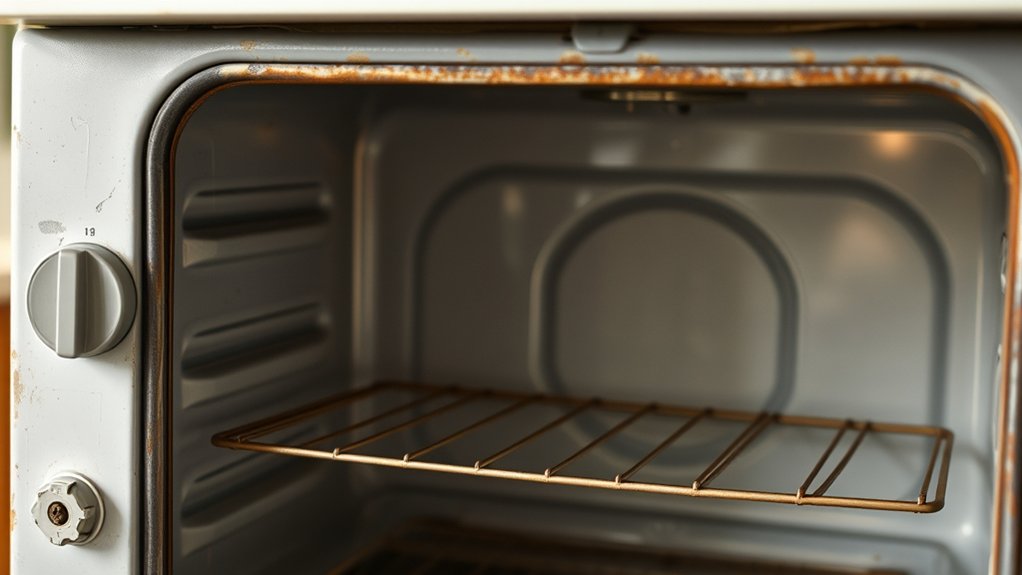
Even with good maintenance, every oven shows wear eventually. You’ll notice warning signs before total failure. Uneven baking, slow preheating, or temperatures that drift from the setpoint often mean the thermostat, sensor, or heating element is degrading.
If you hear new buzzing, clicking, or rattling, inspect the fan and internal components for looseness or wear. A door that no longer seals tightly can leak heat, reduce energy efficiency, and force longer cycles.
Cracked racks, peeling interior coating, persistent odors, or scorch marks also point to aging parts and rising repair needs. If the display glitches or controls respond inconsistently, you’re likely facing electrical wear.
You shouldn’t ignore repeated resets, tripped breakers, or longer recovery after opening the door. These symptoms don’t always mean immediate failure, but they raise the odds of breakdown and justify a closer inspection.
Track changes over time, and act early to avoid unexpected downtime.
How Oven Type Changes Lifespan
Your oven type affects lifespan because gas and electric units wear out in different ways. Gas ovens often last longer when you keep burners, igniters, and ventilation in good condition, while electric ovens depend more on heating elements, control boards, and wiring.
You should compare these parts, since failure patterns can help you predict how long your oven’s likely to last.
Gas Oven Lifespan
Gas ovens typically last about 15 to 20 years, though lifespan depends heavily on maintenance, usage, and build quality. You can extend a gas oven’s service life by cleaning burners, checking igniters, and sealing gas leaks early.
Heat cycling stresses valves, igniters, and thermostats, so regular inspection matters. If you use your oven daily, expect faster wear than with light use. Strong airflow, proper calibration, and prompt repair help preserve lifetime efficiency and reduce uneven heating.
A well-built gas oven often ages better than a neglected unit because combustion parts stay cleaner and easier to service. Replace worn gaskets, keep vents clear, and avoid slamming the door to limit mechanical strain.
Electric Oven Lifespan
Electric ovens usually last about 13 to 15 years, though good care can push them closer to 20. You’ll often see shorter life when electric coils wear unevenly, controls drift, or heat cycling gets harsh.
To extend service life, you should:
- Clean spills fast to protect elements and wiring.
- Check door seals so heat doesn’t escape.
- Replace damaged coils before they strain other parts.
- Watch for timer discrepancies, which can signal failing controls.
Compared with gas units, electric models have simpler burners but more exposed heating hardware, so the failure pattern differs. You can delay costly repairs by using stable bake temperatures, avoiding slamming the door, and scheduling service when heating becomes inconsistent.
How to Make Your Oven Last Longer
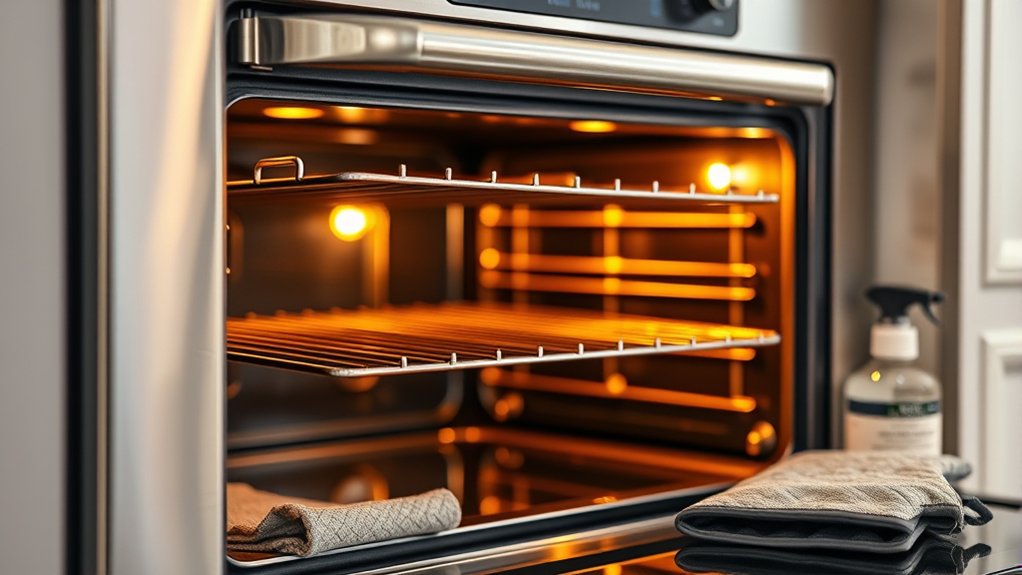
Regular maintenance helps an oven last longer by reducing wear on key components and preventing minor issues from turning into costly repairs. You should clean spills as soon as the oven cools, because baked-on residue can trap heat and affect baking efficiency.
Check the door seal regularly; if it’s damaged or loose, heat escapes and the appliance works harder. Keep vents clear so airflow stays consistent, and avoid blocking racks with oversized cookware.
Use self-clean cycles sparingly, since high temperatures can stress parts; manual oven maintenance is usually gentler. Calibrate the thermostat if food cooks unevenly, and inspect the heating elements for visible damage.
Don’t slam the door or overload it with heavy pans. Wipe the exterior controls with a dry cloth to protect switches and electronics. Small habits like these reduce strain, improve performance, and help you get more years from your oven.
When to Repair or Replace an Oven
You should compare the repair estimate to the oven’s remaining value; if the fix costs more than about half of a replacement, replacing it often makes more sense.
You’ll also want to weigh the oven’s age, since older units usually lose efficiency and need more frequent service. If performance is slipping, heating is uneven, or failures keep recurring, replacement can be the more practical choice.
Repair Cost Threshold
As a rule of thumb, if an oven repair costs more than half the price of a comparable replacement, replacement usually makes better financial sense. Before you approve oven repair, compare the estimate with warranty coverage and parts availability. Use this checklist:
- Verify labor, diagnostics, and parts prices.
- Confirm whether warranty coverage reduces your out-of-pocket cost.
- Check if the repair needs special components or multiple visits.
- Compare the total with installation and disposal costs for a replacement.
If the quote approaches replacement cost, you’re paying for temporary relief, not value. When the repair is simple and covered, fix it. When it isn’t, replace it and limit downtime, repeat service calls, and unexpected charges.
Age And Performance
How old is your oven, and how well is it still performing? If yours is under 10 years old and heats evenly, a repair usually makes sense.
If it’s 12 to 15 years old, needs frequent service, or struggles to reach set temperature, replacement often saves money and improves reliability. Watch for slow preheat, uneven baking, failing controls, broken door seals, and rising energy use.
Compare old fashioned vs smart ovens: smart models can justify repair if electronics are still supported, but obsolete boards can be costly. Also weigh convection vs standard ovens; convection units with fan failures may be repairable, yet repeated heating element issues point toward replacement.
When performance drops and age climbs, choose the option that restores safe, consistent cooking.
Frequently Asked Questions
Can a Power Surge Damage an Oven Permanently?
Yes, a power surge can permanently damage your oven’s control board, heating elements, or wiring. You should protect power quality with a surge suppressor and follow electrical safety practices to reduce failure risk.
Do Self-Cleaning Cycles Shorten Oven Lifespan?
Yes, self-cleaning cycles can shorten lifespan if you use them often, because extreme heat accelerates self cleaning longevity losses and oven wear timing.
You should run them sparingly, keep seals clean, and service components regularly.
How Often Should Oven Gaskets Be Replaced?
You should replace oven gaskets every 3-5 years, or sooner if they crack, harden, or leak heat. Like a castle’s worn seal, your oven gasket lifespan depends on use; inspect annually for replacement frequency.
Is It Safe to Move an Oven by Yourself?
Not usually; you can move an oven by yourself only if it’s compact and empty. You’ll need to move safely, disconnect power or gas, and use proper dollies. Heavier appliances often require two people.
Can Ovens Be Repaired After Electrical Board Failure?
Yes, you can often repair ovens after board failure through oven repair, but you should prioritize electrical safety. You’ll need diagnosis, replacement parts, and testing.
If damage affects wiring or controls, replacement may be better.
Conclusion
In the end, your oven usually gives you 10 to 15 years of service, sometimes more if you treat it well. Ironically, the appliance you use to make life easier often needs the most attention to keep doing its job. Watch for uneven heating, faulty controls, and rising repair costs.
If those problems keep showing up, you’re probably better off replacing it than paying to babysit a machine that’s already aging out. Knowing how long do ovens last can help you decide when it’s time to invest in a new model. This way, you ensure your kitchen stays efficient and reliable.