How to Cook Meatloaf in Oven
You may not know that the key to good meatloaf isn’t just the ingredients—it’s how gently you mix them. When you cook meatloaf in the oven, combining beef, breadcrumbs, egg, milk, onion, and seasoning requires a gentle touch. Stop mixing as soon as everything comes together.
Shape the mixture in a loaf pan and bake it at 350°F.
Watch the internal temperature closely, because the last few minutes can make all the difference.
The glaze and resting step are where it really starts to come together. Taking the time for these final touches will ensure your meatloaf is moist and flavorful.
Key Takeaways
- Preheat the oven to 350°F and place the meatloaf on the center rack for even baking.
- Mix ground meat, breadcrumbs, eggs, milk, onion, garlic, and seasonings gently to avoid a dense loaf.
- Shape the mixture in a loaf pan or on a rimmed baking sheet for even thickness and cleanup.
- Bake for about 50 to 60 minutes, glazing during the last 15 minutes if desired.
- Remove when the center reaches 160°F, then rest 10 to 15 minutes before slicing.
Meatloaf Ingredients and Tools
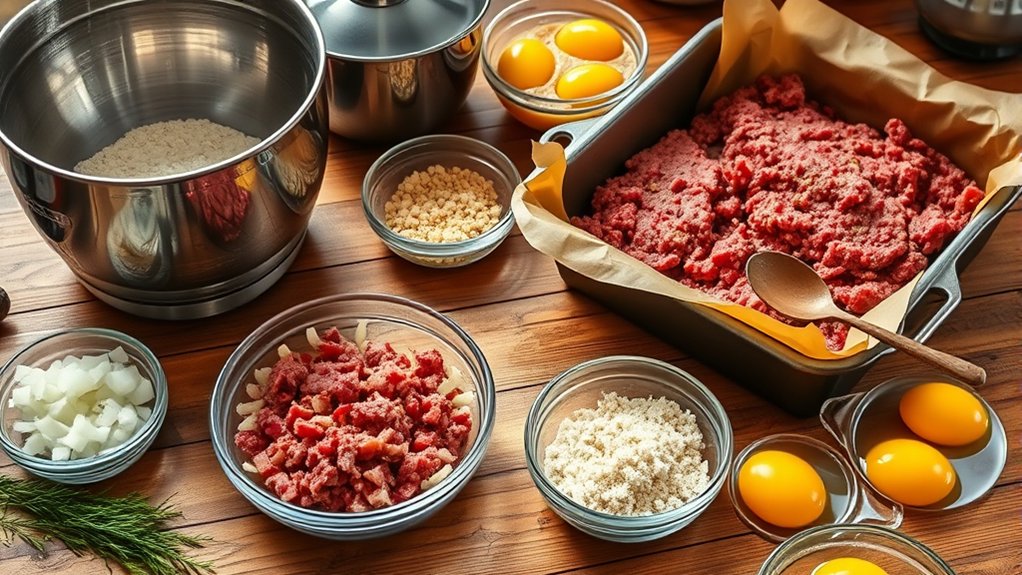
Before you start, gather the right meatloaf ingredients and tools so the process goes smoothly. You’ll need ground beef, or a beef-and-pork blend, breadcrumbs, eggs, milk, onion, garlic, salt, pepper, and a simple glaze. Fresh parsley, Worcestershire sauce, and mustard can sharpen flavor without complicating the recipe.
Gather your meatloaf basics first—beef, breadcrumbs, eggs, and glaze—for a smooth, confident start.
Use a large mixing bowl, a measuring cup, a cutting board, a sharp knife, a loaf pan or baking sheet, and a thermometer. A rimmed sheet gives better browning, while a pan holds shape.
Choose meat with enough fat to keep the meat texture moist but not greasy. If you want ingredient swaps, try crushed crackers instead of breadcrumbs, or oats for a heartier bite. You can also use onion powder if you’re short on fresh onion.
Keep everything ready before you begin, so you can work efficiently and bake with confidence.
Mix the Meatloaf Without Overworking It
Combine the ingredients gently with your hands or a spoon, and stop as soon as everything looks evenly mixed. If you keep working the meat, you’ll make the loaf dense and tough instead of tender.
Light mixing helps you keep a soft texture that bakes up moist and pleasant.
Combine Gently
Use your hands or a fork to mix the meatloaf ingredients just until they’re evenly distributed. When you combine gently, you keep the texture tender and help the loaf hold together well. Avoid overmixing, because packing the meat too tightly can make the finished meatloaf dense.
Work the bowl with a light touch and fold the ingredients through in a few deliberate passes.
- Lift and turn the mixture instead of pressing hard.
- Stop when you no longer see separate streaks of seasoning or breadcrumbs.
- Keep your motions short so the meat stays soft.
This simple approach gives you a balanced mixture that bakes into a moist, sliceable loaf.
Stop at Evenness
Stop mixing as soon as the ingredients look evenly distributed; that’s enough to keep the meatloaf tender. You don’t need a perfectly smooth mass, just a uniform blend with no dry pockets of seasoning or breadcrumbs.
Use Evenness tricks like folding from the edges to the center and rotating the bowl after each pass. If you see streaks of egg or sauce, give the mixture one or two more turns, then stop. Overmixing tightens the meat and makes the loaf dense.
Before you shape it, check Pan placement so the loaf will sit centered and bake evenly in the oven. Once the color and texture look consistent, move on. Your goal is balanced distribution, not a paste.
Preserve Tender Texture
To keep meatloaf tender, mix just until the ingredients come together and the texture looks uniform. When you overwork the meat, you compress the proteins, and the loaf turns dense instead of soft. Use your hands or a fork, and stop as soon as you no longer see dry pockets.
That light touch helps with moisture retention and keeps every slice juicy after baking.
- Add the eggs, breadcrumbs, and seasoning first.
- Fold in the meat gently, not aggressively.
- Shape the loaf with minimal handling.
If you want a tender texture, think of mixing as combining, not kneading. Once everything holds together, put it in the pan and move on.
Shape the Meatloaf in a Pan
Choose a loaf pan or baking dish that fits the mixture comfortably, so the meatloaf cooks evenly. Press the mixture into the pan in an even layer, making sure there aren’t any thick or thin spots.
Smooth the top with a spoon or your hands so it bakes into a neat, uniform shape.
Choose The Right Pan
Which pan should you use for meatloaf? Choose a loaf pan or a shallow baking pan that supports the shape without trapping too much grease. Your pan selection affects browning, moisture, and cleanup, so match it to your recipe and oven.
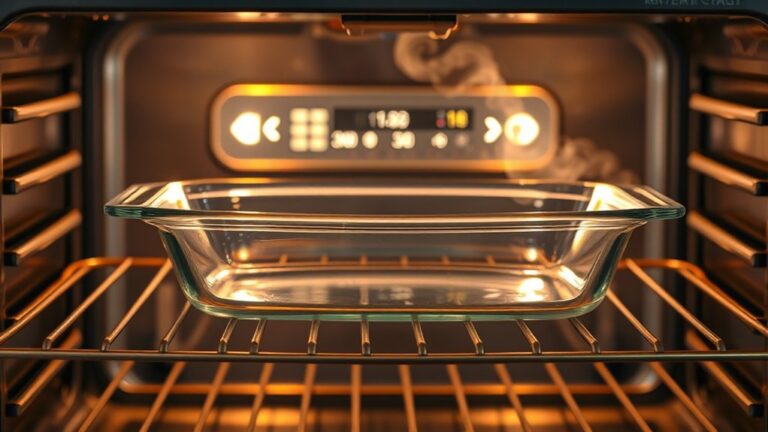
A metal pan heats fast and gives you better crust; glass or ceramic holds heat longer, but it can brown more slowly.
- Pick a pan that leaves a little space around the meatloaf.
- Use pan material that suits your goals: crisp edges or gentle baking.
- Let the pan fit your loaf size so it cooks evenly and keeps its form.
When you choose well, you make shaping easier and your meatloaf more dependable.
Press Mixture Evenly
How do you shape meatloaf so it cooks evenly? You press the mixture into the pan with steady, even pressure, filling corners without packing it so tightly that air can’t escape. Aim for a uniform thickness from end to end so the center and edges bake at the same rate.
If you’ve ever scooped ice cream or spread chocolate frosting, use that same controlled motion: smooth, deliberate, and consistent. Don’t leave thin spots, which can dry out, or thick mounds, which can stay underdone.
Think of this step like careful food presentation, not fancy grilling techniques; a neat, level shape helps the loaf hold together and cook predictably. Keep your hands slightly damp if needed, and stop once the mixture looks even and settled in the pan.
Smooth The Top
Once the meatloaf is packed evenly, smooth the top with damp hands or a spatula so the surface is level from end to end. This step helps you create even baking and better flavor layering when you add glaze later.
Keep the loaf in the pan, then press lightly to remove ridges without compacting it. A flat top also supports better texture balance, since the outside won’t overcook while the center finishes.
- Use gentle, short strokes.
- Keep the edges slightly higher if you want a neat shape.
- Wipe the spatula between passes for a cleaner finish.
If the top looks rough, smooth it again before baking. A tidy surface helps the meatloaf hold its shape and brown evenly in the oven.
Bake Meatloaf at 350°F
Set your oven to 350°F and let it preheat fully before you bake the meatloaf. Place the loaf on a rimmed baking pan or in a loaf pan set on a sheet, then slide it onto the center rack for even heat. At this stage, your seasoning balance should already be set, so don’t stir in more salt or spices.
Keep safe handling in mind by washing your hands, using clean tools, and avoiding raw meat contact with ready-to-eat foods.
Bake the meatloaf at 350°F with steady oven heat, and resist opening the door often. That keeps the temperature stable and helps the loaf cook evenly.
If you added a glaze, the oven’s moderate heat lets it set without scorching. Use the middle of the oven so air can circulate around the meatloaf.
For best results, stay organized, keep the pan level, and monitor the loaf through the oven window when possible.
How Long to Bake Meatloaf?
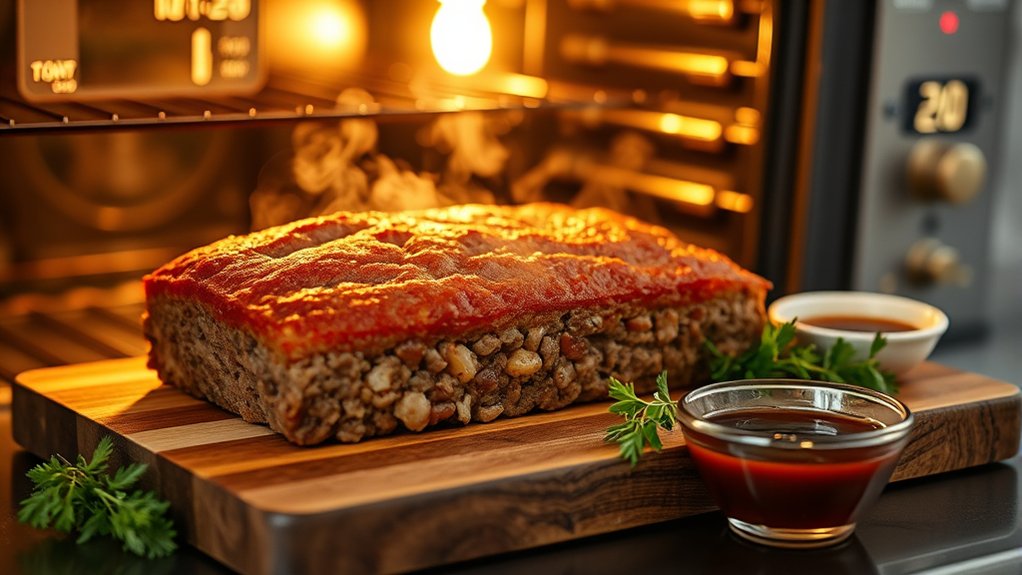
Bake meatloaf for about 50 to 60 minutes at 350°F, but always use the loaf’s internal temperature as your guide. Your exact time depends on thickness, pan shape, and meatloaf portioning, so a smaller loaf may finish sooner while a dense one needs longer. Keep your oven rack placement in the center for even heat and steady baking.
- Use a standard 2-pound loaf as your baseline.
- Cut time by 5 to 10 minutes for mini loaves.
- Add 10 to 15 minutes for a very thick loaf.
Check your recipe size before you start, and plan for a little extra time if you bake in a deep pan. If you portion the mixture evenly, you’ll get more predictable timing and better results. Resist opening the oven too often, because heat loss can slow the bake. Set a timer, then adjust in small increments so you stay in control.
How to Tell When Meatloaf Is Done
The surest way to tell meatloaf is done is to check its internal temperature with a meat thermometer: it should reach 160°F for ground beef, pork, or a beef-pork blend. Insert the thermometer into the thickest center, not touching the pan, and wait for an accurate reading.
If you’re using turkey or chicken, aim for 165°F. For How to gauge doneness, temperature beats guesswork every time. Visual cues can help, but they’re secondary: the loaf should look firm, lightly browned, and pull slightly from the pan’s edges.
When you press the center gently, it should feel set, not soft or jiggly. If you see clear juices instead of pink liquid, that’s another good sign. Let the meatloaf rest a few minutes after baking; carryover heat finishes the center and makes slicing cleaner.
Don’t cut it too soon, or the juices will run out and the loaf may fall apart.
Brush on a Simple Meatloaf Glaze
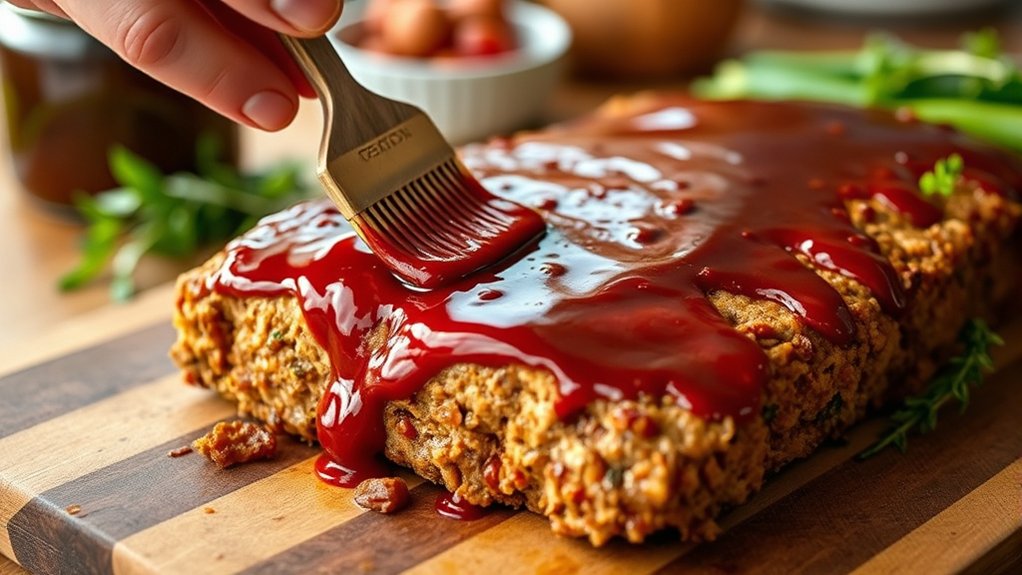
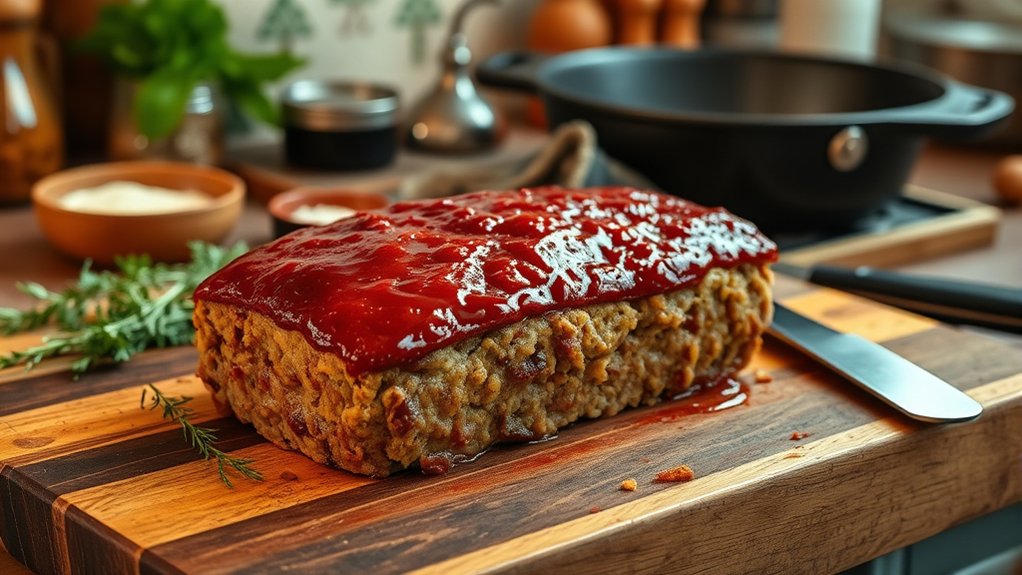
Once your meatloaf is nearly done, brush on a simple glaze to add flavor and help the top brown nicely. Mix ketchup, brown sugar, and a splash of vinegar, then spread it over the loaf in a thin, even layer.
Good glaze timing matters, so add it during the last 15 minutes of baking so it sets without burning. You can also adjust flavor pairings to match your mix: use mustard for tang, Worcestershire for depth, or honey for a softer finish.
Add the glaze in the last 15 minutes so it sets without burning, and adjust flavors to taste.
- Use a pastry brush for even coverage.
- Keep the glaze thin so it caramelizes well.
- Taste the glaze before you apply it.
If you want extra shine, add a second light coat after a few minutes in the oven. Keep the surface covered, and let the heat do the work. This simple step gives your meatloaf a polished look and a balanced sweet-savory finish.
Let Meatloaf Rest Before Slicing
After you pull the meatloaf from the oven, let it rest for 10 to 15 minutes before slicing. During this time, the juices settle back into the loaf, so each slice stays moist and holds its shape.
If you cut too soon, the juices run out, and the meatloaf can fall apart on the plate. Set it on a cutting board and leave it uncovered, or tent it loosely with foil if you want to keep it warm.
For best results, use a sharp knife and make clean, even cuts. These slicing tips help you serve neat portions without crushing the loaf.
When you’re resting meatloaf properly, you also give the texture time to firm up, which makes serving easier. After the rest, slice against the grain if possible for tender bites.
Then plate it right away and enjoy a firmer, juicier meatloaf with better flavor in every serving.
Frequently Asked Questions
Can I Use Turkey Instead of Beef?
Yes, you can use turkey instead of beef. Your turkey substitution works well with alternative proteins, but you should add moisture and seasonings, since turkey’s leaner texture dries out faster during cooking.
What Can I Use Instead of Breadcrumbs?
You can use oats, crushed crackers, or cooked rice instead. Like swapping sails in a gust, these crumb alternatives keep your loaf steady.
For texture tips, add a splash of milk and don’t overmix.
Should I Cover Meatloaf While Baking?
Yes, you can cover meatloaf while baking if you want to keep it moist. Use a loose covering technique for most of the bake, then uncover it near the end at the bake temperature for browning.
Can I Freeze Uncooked Meatloaf?
Yes, you can freeze uncooked meatloaf. Like storing a knight’s provisions, wrap it tightly, label it, and freeze it fast.
Try freeze uncooked meatloaf ideas and unbaked meatloaf prep tips for best texture.
How Do I Keep Meatloaf From Falling Apart?
Use enough binder, like eggs and breadcrumbs, and don’t overmix. You’ll keep tops collapse and crumb sticking points down by letting it rest 10 minutes before slicing, then handle it gently.
Conclusion
Now you know how to cook meatloaf in the oven with confidence. Keep the mix gentle, bake at 350°F, and check for 160°F in the center.
Did you know meatloaf often loses about 20% of its weight as it bakes? This helps you picture how much it shrinks. Add glaze near the end, let it rest, and slice it cleanly.
With these simple steps, you’ll serve a moist, flavorful meatloaf every time. Cooking meatloaf in the oven has never been easier or more satisfying.