Are Microwave Ovens Safe
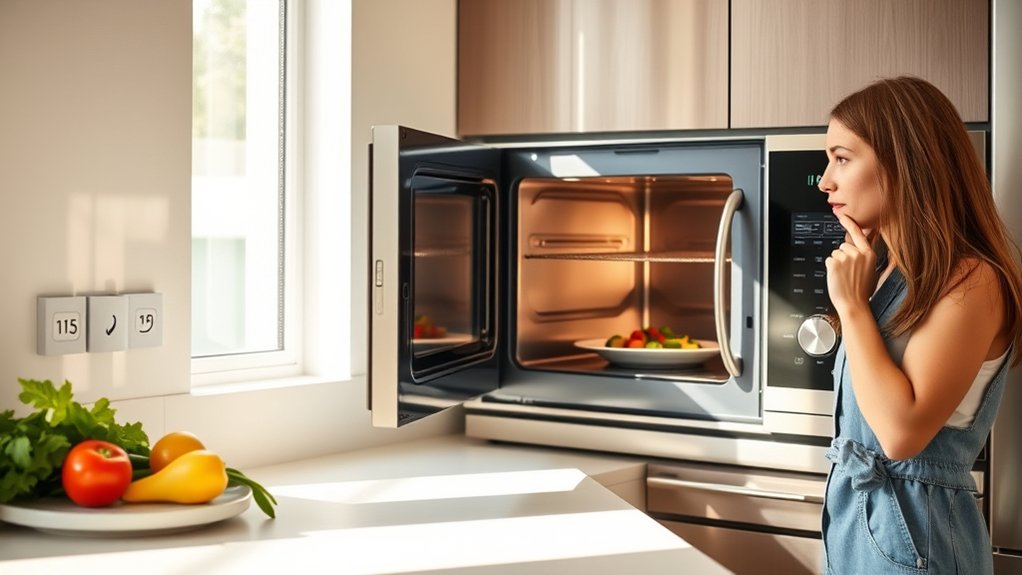
You can use a microwave oven safely when it’s in good condition and you follow the manufacturer’s instructions.
The key risks come from damaged doors, faulty seals, sealed containers, and uneven heating, not from the appliance “radiating” food.
Microwaves heat water molecules efficiently, but that same speed can create hot spots and mistakes if you’re not careful.
The question is less whether microwaves are safe than when they stop being so.
Key Takeaways
- Microwave ovens are generally safe when used according to the manufacturer’s instructions.
- Use microwave-safe containers, and never heat sealed containers or eggs in shells.
- Keep the door, seals, latch, and turntable intact; do not use a damaged microwave.
- Stir, rotate, and let food stand after heating to prevent hot spots and burns.
- Microwaves do not make food radioactive, and they do not inherently destroy more nutrients than other cooking methods.
Are Microwave Ovens Safe?
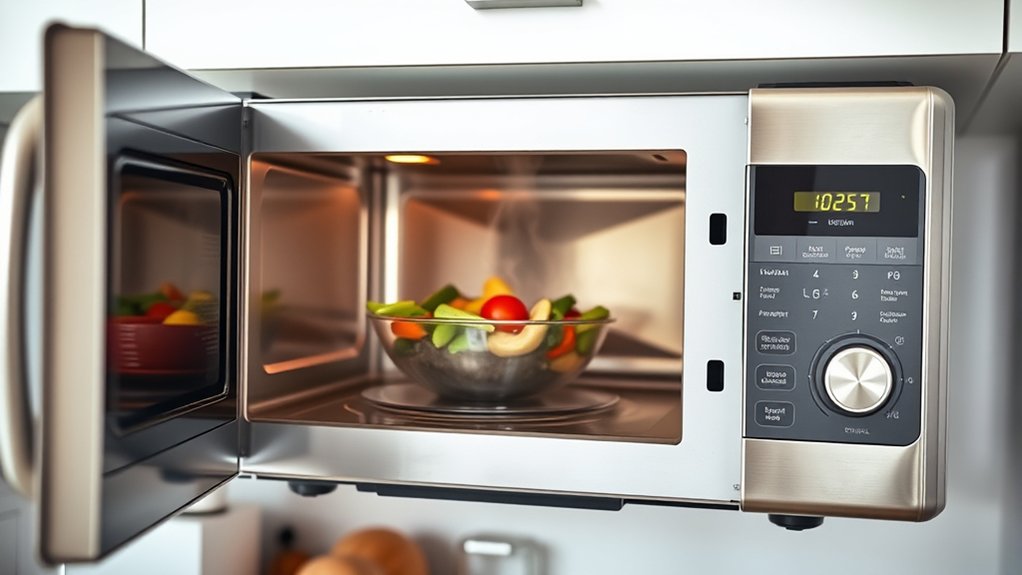
Microwave ovens are generally safe when you use them as intended. You can rely on them for routine cooking and reheating if you follow the manufacturer’s instructions and keep the door, seals, and latch in good condition.
Most microwave myths claim they make food radioactive or destroy nutrients completely; evidence doesn’t support those claims. In normal use, microwaves don’t leave food radioactive, and nutrient loss depends mainly on temperature, time, and water, not the appliance itself.
For kitchen safety, avoid operating a damaged unit, use microwave-safe containers, and don’t heat sealed containers or eggs in their shells. You should also stir or let food stand after heating to reduce hot spots and burns.
If you notice sparks, unusual odors, or door damage, stop using the oven and have it inspected. Used correctly, a microwave is a practical, well-studied appliance that poses low risk in the home.
How Microwaves Heat Food
Inside a microwave oven, a magnetron converts electricity into electromagnetic waves that make water, fat, and sugar molecules in food rotate rapidly. You get heating when this motion produces friction and transfers energy to nearby molecules, warming the food from the outside in only partway, because the waves penetrate a limited distance.
That’s why denser or thicker portions can stay cooler than edges. You can improve even heating by stirring, rotating, or letting the food stand after cooking, which lets heat spread through conduction. Microwaves don’t “create” heat; they deliver energy that the food absorbs.
Consumer myths often suggest microwaves cook food from the inside out, but that isn’t how the process works. In taste testing, microwave-heated foods can seem different mainly because of moisture loss, uneven warming, or texture changes, not because the oven adds anything unusual. When you use the appliance correctly, it heats efficiently and predictably.
Do Microwaves Affect Nutrients?
Microwaving doesn’t inherently destroy more nutrients than other cooking methods, and in some cases it can preserve them well because it uses little water and short cooking times. You’ll usually retain more heat-sensitive vitamins when you limit exposure and match the heating mechanisms to the food’s size and moisture.
Losses mainly depend on time, temperature, and water contact, not the appliance itself.
| Factor | Effect on microwave nutrients |
|---|---|
| Short cooking time | Reduces nutrient breakdown |
| Little added water | Limits leaching into liquid |
Compared with boiling, microwaving often keeps more vitamin C and B vitamins in vegetables, because those nutrients can dissolve into cooking water. You should still expect some nutrient change, since any cooking alters food chemistry.
The key point is that microwaves don’t create a special nutrient hazard; they just cook differently. If you heat food efficiently, you can preserve texture, flavor, and much of its nutritional value.
Microwave Safety Tips for Home
How can you use a microwave safely at home? You can follow the manufacturer’s instructions, use microwave-safe containers, and keep food covered to reduce splatter. Check that your appliance design includes an intact door seal, a working latch, and an undamaged turntable.
Stand clear when opening the door, since steam can escape quickly. Stir and rotate food during heating to promote even temperatures, and let it rest briefly after cooking so heat distributes more uniformly. Avoid metal utensils, foil, and containers with metallic trim, because they can spark.
Test dishware before routine use if you’re unsure it’s microwave-safe. Don’t rely on safety myths, such as the idea that microwaves “store” radiation in food; they don’t. Instead, focus on correct use, clean interiors, and regular inspection of cords, plugs, and seals. These steps lower risk and support reliable performance every day.
When Microwaves Become Unsafe
Microwaves become unsafe when damage or misuse lets radiation leak, sparks form, or heat build unevenly enough to cause burns. You should inspect the door, hinges, seal, and latch; if they’re bent, loose, or cracked, stop using the oven.
You should also avoid metal containers and follow power and time settings, because arcing and superheating can injure you. Evidence shows most risk comes from faulty equipment or improper use, not from normal operation.
Ignore unrelated concerns and safety myths about microwaved food “toxicizing” meals; those claims aren’t supported by data. Instead, focus on clear warning signs and practical controls.
- Damaged door or seal
- Sparks, smoke, or burning smells
- Uneven heating or hot spots
- Cracked turntable or interior damage
If you notice any of these, unplug the unit and get it serviced or replaced.
Frequently Asked Questions
Can Microwaves Interfere With Pacemakers or Other Medical Devices?
Yes, microwaves can cause microwave interference, but modern ovens usually shield well. You should keep pacemakers and other devices at a reasonable distance, and you should follow manufacturer guidance for medical device safety.
Why Do Some Foods Heat Unevenly in Microwaves?
Microwaves don’t audition your leftovers for uniformity; they excite water molecules unevenly. You’ll get uneven heating when food thickness, shape, moisture, or density vary, and that changes food texture, too.
Rotate, stir, and cover for better results.
Is It Safe to Microwave Plastic Containers?
You can microwave only plastic containers labeled microwave-safe; otherwise, heat can cause plastic leaching and reduce container safety.
You should avoid cracked, old, or disposable plastics, and you’ll get the safest results by using glass or ceramic instead.
Can Microwave Ovens Cause Fires if Left Unattended?
Yes, you can create a fire risk if you leave a microwave unattended; it’s a volcano in your kitchen. You should watch for uneven heating, respect plastic safety, avoid device interference, and protect appliance longevity.
How Long Do Microwave Ovens Typically Last?
You can expect a microwave to last about 7 to 10 years. How long this lasts depends on use and maintenance tips; clean it regularly, avoid slamming the door, and replace worn parts promptly.
Conclusion
In short, you can use a microwave safely when you follow the manufacturer’s instructions and keep the oven in good condition. Use microwave-safe containers, avoid sealed items and eggs in shells, and stir or let food stand to reduce hot spots.
Microwaves don’t make food radioactive, and nutrient changes depend mainly on cooking time, temperature, and water. If you notice damage or poor function, don’t cut corners—have it checked or serviced.
By following these guidelines, you can ensure that microwave ovens remain a safe and convenient tool in your kitchen.