Can Wax Paper Go in the Oven
You probably don’t know that wax paper can start to soften and smoke in a hot oven long before your food is done.
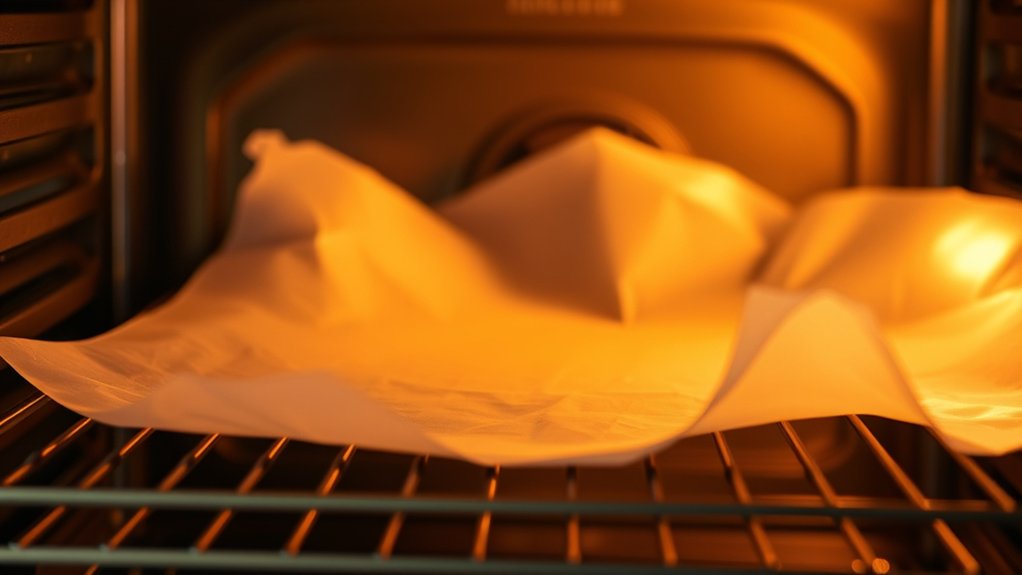
Wax paper is not designed for oven use because its wax coating isn’t made to withstand direct heat.
When exposed to high temperatures, the wax can melt, produce unpleasant smells, and even pose a fire hazard.
If you want a safe lining for baking, it’s important to know which materials can handle the heat—and which cannot.
Key Takeaways
- Wax paper should not go in the oven because its wax coating melts and can smoke.
- It can lose shape in heat and may even catch fire near heating elements.
- Wax paper is meant for food wrapping, prep surfaces, and non-heat uses only.
- Use parchment paper or a silicone mat for oven-safe baking and lining pans.
- If you are unsure, check the package label for heat resistance before using any liner.
Can Wax Paper Go in the Oven?
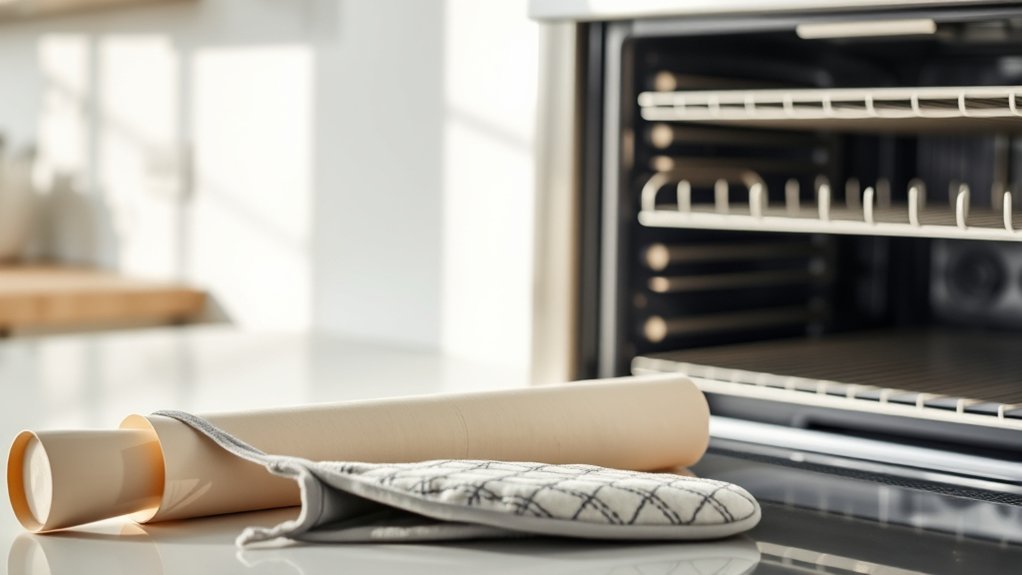
No, wax paper shouldn’t go in the oven. You should keep it out of direct heat because the wax coating can soften, smoke, or even catch fire at typical baking temperatures.
For oven safety, you need a material that’s designed to handle heat, not just protect surfaces from sticking or mess. If you line a pan with wax paper, it may look fine at first, but it can fail quickly once the oven warms up.
You shouldn’t assume it works the same way as parchment paper, which is made for baking. If you’re preparing food for the oven, check the packaging and use only products labeled oven-safe.
When you’re unsure, choose a heat-resistant alternative instead of risking damage or a kitchen fire. That simple step helps you protect your food, your cookware, and your oven safety every time you bake.
What Is Wax Paper Used For?
You can use wax paper to wrap food for short-term storage because its light coating helps keep items separated and tidy.
You can also line a counter with it for prep work, since it gives you a clean, nonstick surface for tasks like rolling dough. Just remember that wax paper isn’t made for oven heat, so you should keep it for cold or room-temperature kitchen use.
Food Wrapping Uses
Wax paper is commonly used for wrapping foods because its thin coating helps resist moisture and keeps items from sticking together. You can use wax paper for food wrapping when you want a neat, temporary barrier around dry or lightly moist foods, but it isn’t meant for heat.
It’s especially handy for:
- Sandwiches and snack portions
- Cheese, candy, or baked goods
- Separating layered foods in storage
When you wrap food with wax paper, you help protect it from light surface drying and reduce mess during handling. Still, you should treat wax paper as a storage aid, not a cooking tool. If you need something for hot food or oven use, choose a heat-safe alternative instead.
Counter Prep Surface
On the counter, wax paper is often used as a clean prep surface for tasks that don’t involve heat or heavy moisture. You can lay it down for quick counter prep to keep surfaces cleaner while you portion ingredients or assemble foods.
Its slick coating helps repel light stickiness, so you won’t need to scrape residue off the counter afterward. For kitchen safety, keep in mind that wax paper isn’t a heat-resistant work surface, and it can soften or transfer if you expose it to warm pans, hot bowls, or damp ingredients for long.
Use it only for brief, low-risk prep, then discard it. If you need a sturdier barrier for messy jobs, choose a material made for the task.
Rolling Dough Aid
When you’re rolling dough, wax paper can help keep the surface neat and prevent sticking while you shape pastry, cookie dough, or pie crust. You can place the dough between two sheets and use your rolling pin with less mess and less flour.
This is one of the practical kitchen hacks that can make rolling dough easier, especially with soft or delicate mixtures.
- It helps you move dough without tearing it.
- It keeps countertops cleaner during prep.
- It reduces the chance of sticking, but it isn’t heat-safe.
Use it only for cold prep, not baking. Wax paper can melt or smoke in the oven, so switch to parchment when you need oven use.
What Happens When Wax Paper Gets Hot?
When you heat wax paper, the wax coating can soften and melt, which makes the paper less stable. If the temperature keeps rising, you may notice smoke and a waxy odor, and the paper can begin to break down.
For that reason, you should treat hot wax paper as a fire and safety risk rather than a reliable oven-safe material.
Wax Melting Point
Wax paper starts to fail at relatively low heat because its thin coating of wax softens and then melts well before the oven reaches typical baking temperatures. You should think of its wax melting point as the limiting factor, not the paper itself. Once the coating begins to liquefy, the sheet loses shape and its heat tolerance drops fast.
- It’s designed for cool or room-temperature use.
- Warm air can change its structure quickly.
- Direct oven exposure isn’t reliable.
You can’t count on wax paper to stay intact near hot pans or open heat. For safer results, use parchment paper or another oven-rated liner. That choice gives you predictable performance and helps you avoid damage to your food or cookware.
Smoke And Odor
If you heat wax paper too much, you’ll usually notice a faint waxy smell first, and then smoke may follow as the coating starts to break down. You may also detect a sticky, paraffin-like odor that lingers in your oven and kitchen.
That smell signals that the wax layer is softening and releasing vapors, not that the paper is meant for higher heat. For smoke mitigation, keep the paper away from direct heat and avoid placing it on hot pans or oven walls.
Good odor control starts with proper use: reserve wax paper for cold prep or low-contact tasks, and switch to parchment when you need oven heat. If you smell smoke, pause and check the setup right away.
Fire And Safety
Once wax paper gets hot enough, the wax coating softens, can smoke, and may ignite if it touches a heating element, open flame, or other direct high heat source. You shouldn’t treat it like oven-safe liner; it’s designed for cooler tasks, not baking.
If you see curling, browning, or dripping wax, stop heating immediately and remove the paper with tongs or heat-safe gloves. Keep a close eye on spills and nearby paper, because fire can spread fast.
Use parchment paper instead.
Keep wax paper away from broilers.
Follow safety training and emergency protocols.
If wax paper does catch fire, shut off the heat, keep the door closed, and use a proper extinguisher only if it’s safe.
Wax Paper vs. Parchment Paper
At first glance, wax paper and parchment paper can look similar, but they’re built for very different jobs. You should treat wax paper as a moisture-resistant wrap for cool or room-temperature tasks, because its wax coating can soften, smoke, or melt under oven heat.
Parchment paper, by contrast, has a heat-safe silicone coating that helps it handle baking temperatures far better. If you’re lining pans, separating cookies, or preventing sticking in the oven, parchment paper is the safer choice.
Wax paper works best when you’re covering countertops, wrapping food, or keeping surfaces neat during prep. You shouldn’t assume one can replace the other just because they feel alike in your hands.
When you check labels, look for the intended use first. That simple habit helps you avoid damage to your food, your pan, and your oven, and it keeps your baking process predictable and safe.
What Can You Use Instead?
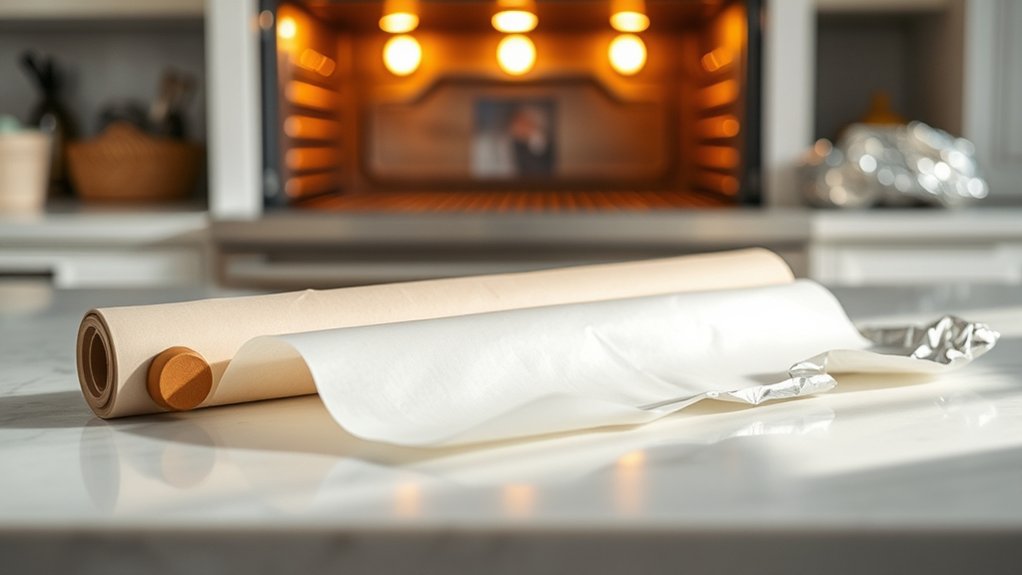
So what should you use instead? If you need a lining for oven baking, choose parchment paper first. It withstands heat far better than wax paper and helps reduce sticking without raising safety concerns.
For broiling or very hot roasting, use a silicone baking mat or a lightly greased pan instead. These options are practical, reliable, and easy to clean.
- Parchment paper: best for most baking tasks
- Silicone mat: reusable and heat tolerant
- Bare metal pan: works when you add oil
You’ll also hear kitchen myths suggesting wax paper is “fine for a little heat,” but that advice can fail quickly. When you compare two word discussion ideas like heat safety or surface release, the safer choice becomes clear: use materials rated for oven temperatures, and avoid guesswork.
If you’re unsure, check the package label before baking.
Best Ways to Use Wax Paper
What can wax paper do best? You can use it for tasks that don’t involve heat: lining counters for messy prep, wrapping sandwiches, separating cookies, and protecting surfaces while you roll dough, candy, or fondant. It also helps you portion ingredients and keep sticky foods from clumping.
Because wax paper has a thin wax coating, you shouldn’t expose it to oven heat; the coating can melt, smoke, or even catch fire. For baking, choose parchment or silicone mats instead, and keep oven safety in mind every time you cook.
Wax paper should never go in the oven; use parchment or silicone mats for heat-safe baking.
If you’re unsure whether a task needs heat resistance, check the label before you start. When you need wax paper alternatives, look for parchment paper, foil, or reusable liners, depending on the job.
Used correctly, wax paper is a handy prep tool, but it belongs on the counter, not in the oven.
Frequently Asked Questions
Can Wax Paper Touch the Oven Rack?
No, you shouldn’t let wax paper touch the oven rack. You can melt or ignite it quickly, so keep wax paper away from direct heat.
Use parchment paper instead for safer baking.
Is Wax Paper Safe for Microwave Use?
No, don’t assume it is. You should check wax paper safety before microwave use, because wax can melt or smoke under high heat.
If you’re unsure, use microwave-safe parchment or a plate instead.
Does Wax Paper Contain Any Harmful Chemicals?
You generally won’t find harmful chemicals in wax paper for normal food use. You should avoid overheating it, though, because the wax coating can melt or smoke and potentially contaminate your food.
Can Wax Paper Be Reused After Food Prep?
Usually, you can’t safely reuse wax paper after food prep; its coating composition traps residue, undermining reusable safety.
You’ll get cleaner results by discarding it, since even reused sheets can transfer contaminants and weaken performance.
How Do You Store Wax Paper to Prevent Damage?
You should store wax paper flat in a cool, dry drawer, inside its box or a sealed bag, to avoid creases and moisture.
Keep it away from heat and sharp objects when protecting surfaces.
Conclusion
So, can you put wax paper in the oven? Not if you want a clean, calm kitchen. Its wax coating can soften, smoke, and even create a fire risk, which is a lot of drama for a sheet meant for simple prep.
Use parchment paper, a silicone mat, or foil instead. Save wax paper for counter work, storage, and wrapping—where it quietly does its job without turning your baking into a smoky surprise.
In conclusion, wax paper should never go in the oven to avoid smoke and fire hazards.