How Long to Cook Broccoli in Oven
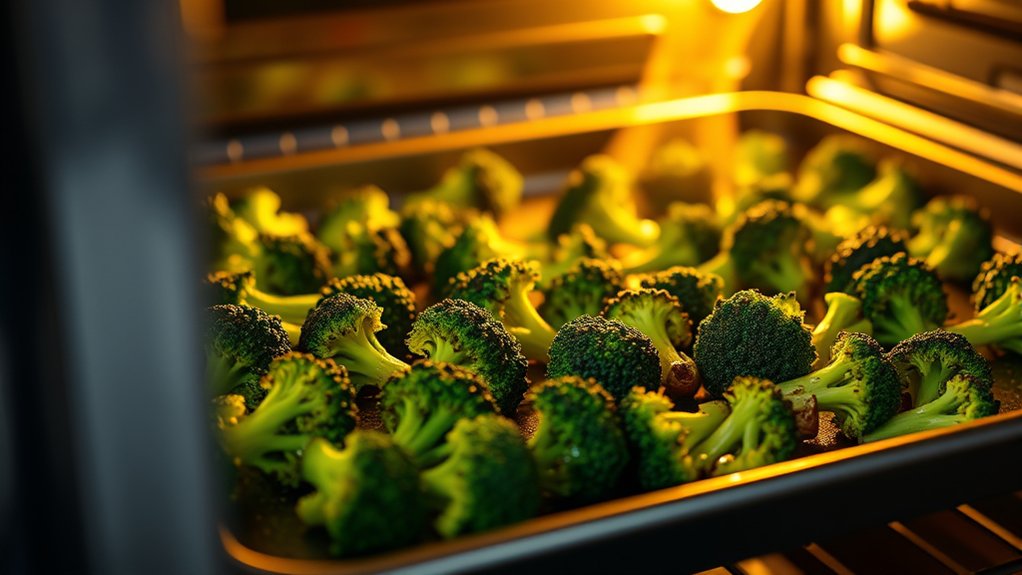
Broccoli can go from crisp-tender to soft fast in the oven. When roasting broccoli, you’ll usually cook it at 425°F for 18 to 22 minutes, but floret size and oven heat can shift that timing.
If you cut even pieces, spread them out, and turn them once, you’ll get better browning and less steaming. The real test comes near the end, and it’s simpler than you might think.
Key Takeaways
- Roast broccoli at 425°F for 18 to 22 minutes for most batches.
- Small florets may finish around 15 minutes; large florets can take 22 to 26 minutes.
- Cut florets into even sizes and spread them in a single layer for even cooking.
- Flip broccoli halfway through roasting for better browning and crispness.
- It’s done when stems are fork-tender and edges are browned but not burnt.
How Long to Cook Broccoli in the Oven?

How long should you cook broccoli in the oven? For most batches, you’ll roast florets at 425°F for 18 to 22 minutes. That range gives you tender stems and browned edges without turning the broccoli mushy.
Roasting science matters here: high heat drives off moisture quickly, so the surface caramelizes while the inside stays crisp-tender. If your florets are small, check them at 15 minutes. If they’re large, give them the full 22 minutes.
High heat caramelizes the surface fast, keeping the inside crisp-tender; smaller florets finish sooner, larger ones need a full roast.
Toss them once halfway through so they cook evenly and develop better color. Your kitchen timing should match the texture you want: less time for firmer broccoli, more time for deeper browning.
You’ll know it’s done when a fork slides into the stem with little resistance and the tips look crisp. Remove it right away, because carryover heat keeps cooking it on the pan.
How to Prep Broccoli for Roasting
Before broccoli goes into the oven, a little prep makes a big difference in how it roasts. Wash the heads well, then dry them completely so the florets brown instead of steam. Trim away tough stem ends, but don’t toss the stems; peel them and slice them for even roasting.
Cut the broccoli into similar-sized florets so they cook at the same rate. If you want better browning, keep the pieces large enough to hold their shape.
Next, toss the broccoli with just enough oil to coat each piece lightly. Choose from common roasting oil types like olive oil, avocado oil, or grapeseed oil, depending on the flavor you want.
Add salt, pepper, and any dry seasonings you like. This simple prep helps preserve broccoli nutrition while improving texture and taste.
Spread the broccoli in a single layer on your pan, and leave space between pieces so air can move around them.
What Oven Temperature Works Best?
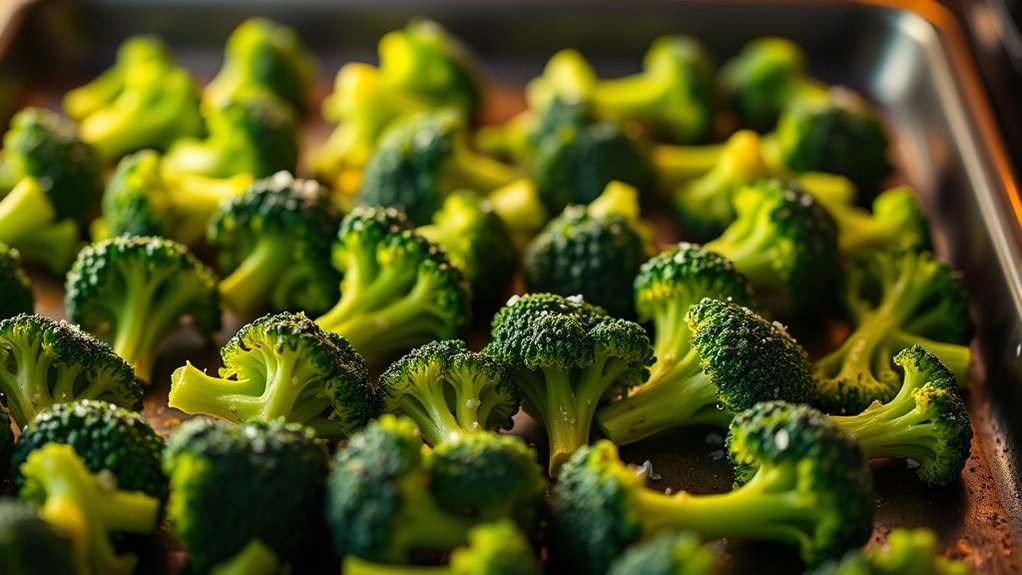
For the best roasted broccoli, set your oven to 425°F, which gives the florets enough heat to brown quickly without burning. This oven temperature hits the sweet spot for a crisp-tender texture and steady caramelization.
425°F is the sweet spot for roasted broccoli—hot enough to brown fast, without scorching.
If you go lower, the broccoli often softens before it develops color. If you go higher, the edges can scorch before the stems finish cooking.
Use this roasting technique when you want reliable results: preheat fully, spread the broccoli in a single layer, and keep enough space between pieces for hot air to circulate. That airflow helps the florets roast instead of steam.
If your oven runs hot, you can drop the oven temperature to 400°F and add a minute or two. For smaller florets, 425°F still works well and keeps cooking time short. Stick with this range, and you’ll get broccoli that’s browned outside, tender inside, and ready fast.
How to Season Broccoli Before Roasting
Once you’ve got the oven set, season the broccoli while the florets are still in a large bowl so the coating stays even. Drizzle on a little olive oil, then toss with salt and black pepper to help the edges brown cleanly.
For simple seasoning ideas, add garlic powder, onion powder, lemon zest, or a pinch of red pepper flakes. If you want more flavor, try grated Parmesan, smoked paprika, or a splash of soy sauce, but keep the amount light so the broccoli roasts instead of steams.
Use your hands or a spatula to coat every floret, including the stems. A thin, even layer works best and keeps seasoning from pooling in the bowl.
These vegetable roasting tips help you build flavor without masking the broccoli’s natural taste. Taste your seasoning mix before roasting if you’re unsure, and adjust now rather than after it goes in the oven.
How Long to Roast Broccoli by Floret Size?
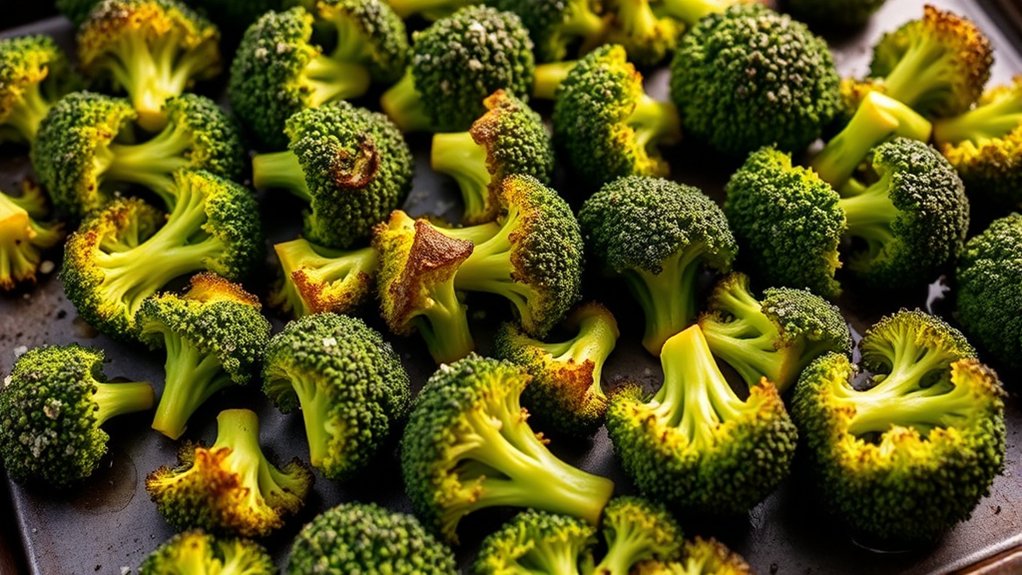
Your broccoli florets won’t all roast at the same pace, so size matters. Small florets cook fast and can brown quickly, while medium florets need a bit more time.
Large florets take the longest, so you’ll want to give them extra minutes to turn tender.
Small Florets Roast Fast
Small florets roast faster than larger pieces, so you’ll need less time in the oven. When you cut broccoli into tiny florets, hot air reaches every edge quickly, helping you get tender bites and crisp tips without overcooking.
Watch for bright color contrast: deep green crowns and lightly browned edges signal doneness. Keep the pieces similar in size, spread them in one layer, and roast at a high temperature for quick results.
Check early, because small cuts can turn from perfect to dry in moments.
- You’ll taste sweeter, concentrated broccoli.
- You’ll hear the satisfying crackle as edges brown.
- You’ll avoid mushy centers.
- You’ll serve a lively, restaurant-worthy side.
- You’ll feel confident pulling them out on time.
Medium Florets Need More
Medium florets need a bit more time in the oven than tiny ones, usually roasting until the stems turn tender and the edges brown, about 18 to 22 minutes at a hot temperature. You’ll get the best results when you cut the medium florets into even pieces so they cook at the same rate.
Toss them with oil, salt, and any seasoning you like, then spread them in a single layer. Check them near the end; the tips should crisp while the centers stay bright and just tender. This size gives you more roasting nuance, so a minute or two can matter.
If you want deeper browning, leave them in briefly longer, but don’t let them dry out.
Large Florets Take Longer
Large florets need the most time in the oven, usually about 22 to 26 minutes at a hot temperature, because their thick stems take longer to turn tender. You should cut them evenly so they roast at the same pace. Toss them with oil, salt, and pepper, then spread them in a single layer for steady browning. If you want extra flavor, add garlic powder or lemon zest.
Relieved when tough stems soften
Happy with crisp edges
Confident about even cooking
Calm when timing feels simple
Proud of a good side dish
Big pieces can stay firm inside if you crowd the pan. Check the stems with a fork, and pull them when the tips look deeply browned.
How to Roast Broccoli for Crisp-Tender Results
To get crisp-tender broccoli, cut the florets into even pieces so they cook at the same rate. Roast them in a hot oven so the edges brown quickly without overcooking the centers.
Flip them once during cooking so they crisp up evenly on both sides.
Cutting Broccoli Evenly
How do you get broccoli that roasts evenly and turns crisp-tender instead of some florets burning while others stay underdone? Start with cutting evenly so every piece finishes at the same time. Trim the stalk, then separate florets by broccoli sizing: make large florets smaller and keep smaller ones intact.
Aim for pieces about the same width, and slice thick stems into coins so nothing lags behind. Use a sharp knife for clean cuts, and keep the florets dry so they roast, not steam.
- You avoid disappointing soft spots.
- You prevent charred tips.
- You save time guessing doneness.
- You get a better bite in every forkful.
- You feel confident before the pan goes in.
High Heat Roasting
Crank the oven to high heat, around 425°F to 450°F, so the broccoli browns fast before it has time to soften too much. This roasting method gives you crisp-tender results and stronger flavor.
Toss the florets with oil, salt, and any dry seasoning, then spread them in a single layer on a hot sheet pan. High heat helps you control oven textures, creating browned edges and a tender center.
| Heat level | Result |
|---|---|
| 425°F | Balanced browning |
| 450°F | Faster crisping |
| Too low | Soft, pale broccoli |
Use one of these roasting methods when you want broccoli that tastes roasted, not steamed. Keep the pan uncovered, and let the oven work quickly so the florets stay bright, lightly charred, and firm.
Flipping For Crispness
For even browning, flip the broccoli once about halfway through roasting so the second side can pick up color and crispness too. You’ll protect the stems from overcooking while the florets develop a deeper crispy texture.
Use a thin spatula, turn the pieces gently, and spread them back out so they don’t steam. If some edges look dark before the timer ends, pull those pieces early and keep the rest roasting.
This simple turn gives you better flavor contrast: caramelized tops, tender centers, and no soggy bottoms.
- Satisfying crunch
- Bright roasted aroma
- Golden, blistered edges
- Tender bite inside
- Confident, restaurant-style results
How to Tell When Broccoli Is Done
You’ll know broccoli is done when the florets turn bright green, the stems are tender when pierced with a fork, and the edges start to brown slightly without burning. Check a piece from the thickest stem first; if it slides in easily but the broccoli still feels firm, you’re there.
Broccoli is done when florets turn bright green, stems are fork-tender, and edges just begin to brown.
The florets should look set, not shriveled, and they should release a fresh, toasty aroma. Taste a small bite if you want extra certainty: it should be tender-crisp, not raw or mushy.
If you spot dark spots, a sour smell, or slimy texture before cooking, that’s rotten broccoli, not overdone broccoli. For leftovers, microwave reheating can soften the texture, so stop as soon as the broccoli warms through.
After baking, let the tray sit for a minute; the residual heat finishes the stems without pushing them past ideal doneness.
How to Fix Soggy or Burnt Broccoli
If your broccoli turns soggy, spread it back on the baking sheet and return it to a hot oven for a few minutes so the excess moisture can evaporate. For a reliable soggy fix, keep the florets in a single layer and give them space to roast instead of steam. If they need more crispness, raise the oven temperature slightly and watch closely so they don’t dry out.
- Relief when dinner can still turn out right
- Confidence from a simple rescue step
- Less waste from salvaging imperfect broccoli
- Satisfaction when crisp edges return
- Calm control when timing goes off
For a burnt fix, trim away the darkest spots if only the edges charred. If the broccoli tastes overly bitter, use it in a dish with a fresh sauce or squeeze of lemon to soften the harsh flavor. Next time, check it a few minutes earlier and rotate the pan halfway through for even browning.
Easy Ways to Serve Roasted Broccoli
Once your roasted broccoli is crisp and tender, it’s easy to serve it in a few simple ways. You can add it straight to a plate beside chicken, fish, tofu, or eggs for a fast, balanced meal. Toss it with lemon juice and parmesan for extra flavor, or finish it with red pepper flakes, garlic powder, or a drizzle of olive oil.
If you want more substance, mix it into rice, quinoa, pasta, or grain bowls. It also works well in wraps, salads, and omelets. For ultra quick prep, roast a large batch and use it across several meals during the week.
Because broccoli is inexpensive and versatile, it makes one of your best budget friendly sides. Serve it warm for the best texture, but it’s still good at room temperature. Keep the seasoning simple, and let the roasted edges and natural sweetness stand out.
Frequently Asked Questions
Can I Roast Frozen Broccoli Without Thawing?
Yes, you can roast frozen broccoli without thawing. You’ll get better roasted texture if you dry it first and use high heat, since freezing effects add extra moisture that can soften it.
Should I Use Parchment Paper or Foil?
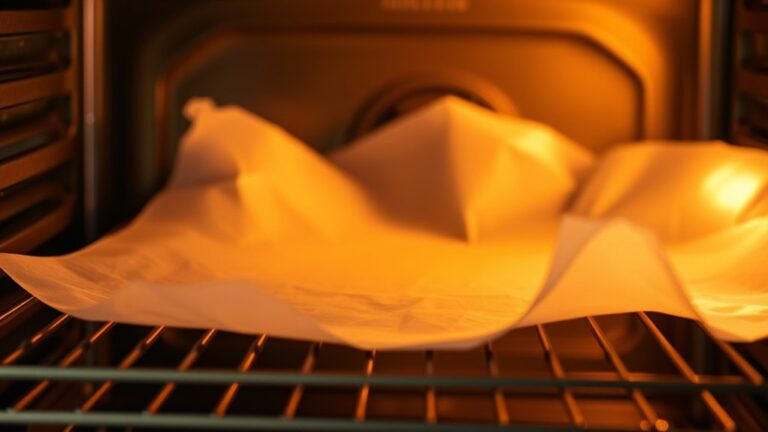
You should use parchment for your roasting method: it prevents sticking and promotes browning.
Parchment vs foil, I’d pick parchment; 72% of cooks prefer it for easier cleanup, while foil can over-crisp edges and trap moisture.
Can I Roast Broccoli With Other Vegetables?
Yes, you can roast broccoli with other vegetables. For even vegetable roasting, choose similar-sized pieces and add roasted broccoli near the end if needed, since denser vegetables usually take longer to soften.
How Do I Store Leftover Roasted Broccoli?
Store leftover roasted broccoli in an airtight container in your fridge; it’ll disappear faster than lightning if you wait too long. For best leftover storage, cool it first, then reheat gently to preserve reheating crispness.
Can I Reheat Roasted Broccoli Without Losing Crispness?
Yes, you can reheat roasted broccoli and keep some crispness by using reheating methods like an oven or air fryer. You’ll maximize crispness retention if you avoid microwaving, spread it out, and heat it briefly.
Conclusion
To get perfectly roasted broccoli, you’ll usually cook it at 425°F for 18 to 22 minutes, depending on floret size. Toss it well, spread it out, and flip it halfway so it browns evenly.
Here’s a fun stat: most broccoli florets lose about 90% of their water during roasting, which is why they turn crisp and flavorful. When the edges are lightly browned and the stems are tender-crisp, pull it out and enjoy.
Remember, the key to delicious results is how long to cook broccoli in oven, so keep an eye on the timing for the best texture and taste.