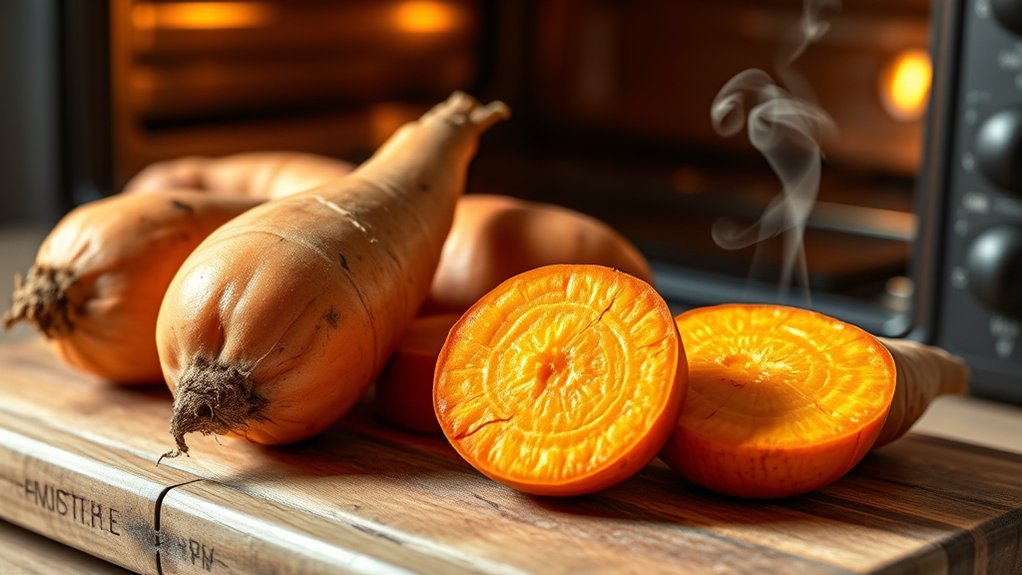
How to Cook Yams in Oven
Want oven-baked yams that taste like they’ve been perfecting themselves for years? Cooking yams in the oven is a simple way to turn firm, evenly sized yams into tender, caramelized sides with a delicious roast.
The real difference comes from how you prep, season, and time them. Whether you keep them whole or cube them for crisp edges, a few small choices can make them better than you’d expect.
Key Takeaways
- Choose firm, medium-size yams with smooth skin, then wash, dry, and prick whole yams with a fork.
- Bake whole yams at 400°F for 45 to 60 minutes, or until a knife slides into the center easily.
- For faster roasting, cut yams into even cubes or wedges, toss with oil and seasonings, and spread in one layer.
- Flip pieces halfway through cooking to promote even browning and crisp edges, especially at 425°F.
- Finish with butter, salt, and spices, then serve warm with sweet or savory toppings like cinnamon, herbs, or cheese.
What Kind of Yams Work Best?
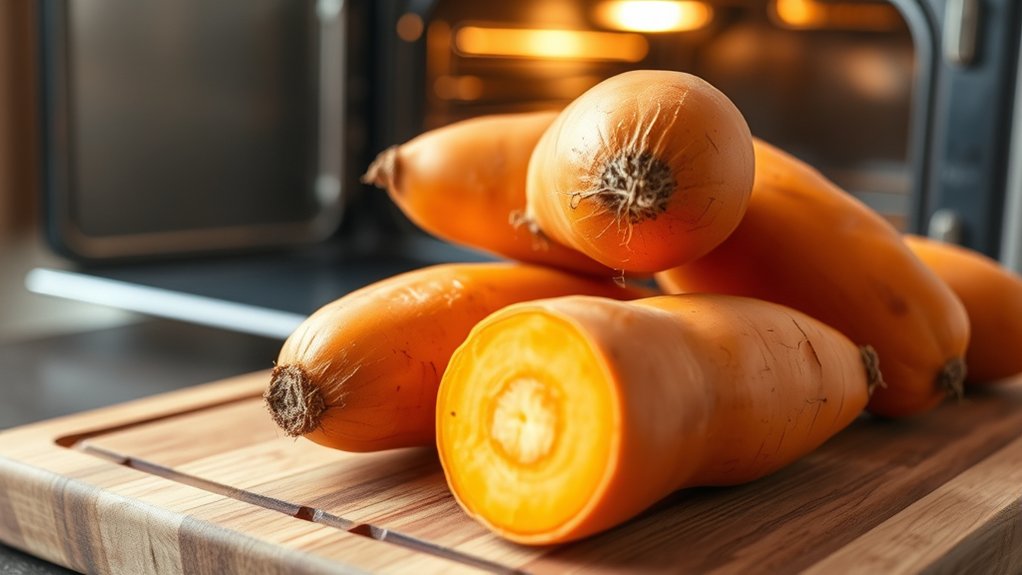
For the best results, choose firm, smooth yams with unblemished skin and no soft spots. You’ll get the most reliable texture from medium-size yams, since they roast more evenly than oversized ones.
When you compare yam varieties, look for dense flesh and consistent color; those traits usually mean better flavor and fewer dry areas. Orange-fleshed types tend to turn sweet and creamy in the oven, while lighter varieties stay a bit firmer and milder.
Pick the variety that fits your taste and your recipe goals. If you can, buy yams that feel heavy for their size, because that signals good moisture. Store them in a cool, dark, well-ventilated place, and avoid refrigeration unless you need to slow spoilage for only a short time.
Good storage tips help preserve freshness, prevent sprouting, and keep the yams ready for roasting when you are.
How to Prep Yams for the Oven
Start by washing the yams under cool running water and scrubbing away any dirt with a vegetable brush. Pat them dry with a clean towel so they don’t slip while you work.
Wash yams under cool water, scrub away dirt, and pat them dry before you begin.
Next, trim off any bruised spots or rough ends with a sharp knife. If you’re prepping yams whole, prick each one several times with a fork so steam can escape in the oven.
For quicker cooking, cut them into even chunks or wedges. Keep the pieces similar in size so they bake at the same rate. Arrange the yams in a single layer on parchment-lined oven safe pans or a lightly greased baking dish.
Leave a little space between pieces for even heat circulation. If you’re using whole yams, place them directly on the pan or rack as directed in your recipe. Once they’re cleaned, cut, and arranged, they’re ready for baking.
How to Season Yams Sweet or Savory
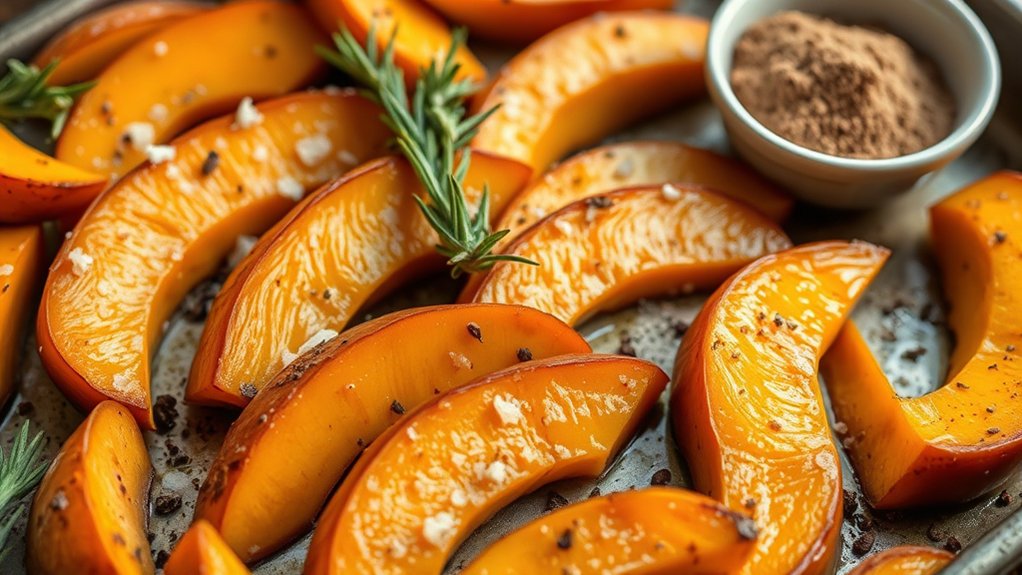
Whether you want sweet or savory yams, season them before they go into the oven so the flavors can bake in. For sweet yams, toss the pieces with melted butter, brown sugar, cinnamon, and a pinch of salt. Add vanilla or maple syrup if you want a deeper dessert-like finish.
For savory yams, use olive oil, garlic powder, black pepper, paprika, and dried thyme. A little rosemary also works well. Keep the spice balance simple so the yam flavor still stands out.
Different yam varieties can taste mildly sweet or earthy, so taste a small piece first if you’re unsure. If you’re seasoning wedges or cubes, coat them evenly in a bowl, then spread them out so every bite gets flavor.
Don’t overdo the seasoning; you can always add more after cooking if needed.
How to Bake Yams in the Oven
Start by washing, peeling, and cutting your yams evenly so they bake at the same rate. Set your oven to 400°F for a reliable middle-ground temperature, and adjust it a bit higher or lower if you want softer or firmer results.
Check them after about 30 to 45 minutes, since the exact baking time depends on size and thickness.
Preparing the Yams
Before you bake yams, wash them well under running water and scrub off any dirt with a vegetable brush. Pat them dry, then inspect each one for soft spots or blemishes. Choose a yam variety that looks firm and smooth, since that helps you get even results.
If you’re gathering topic ideas for meal prep, think about how you’ll use them later: whole, sliced, or mashed. Next, prepare them like this:
- Trim off any damaged ends.
- Pierce the skin a few times with a fork.
- Cut large yams into similar-sized pieces.
- Coat them lightly with oil if you want extra browning.
Set them on a lined pan or dish, and they’ll be ready for the oven.
Oven Temperature Guide
For most yams, bake them at 400°F so the skins crisp up and the centers turn soft and tender. This oven temperature works well for medium-size yams and gives you a balanced roast without drying them out.
If your yam variety is very small, you can still use 400°F and just check them sooner. For larger, denser yams, keep the same oven temperature and let them cook a bit longer rather than lowering the heat. That helps the outside caramelize while the inside stays creamy.
If you want a deeper, sweeter flavor, you can also bake at 425°F, but watch closely. Always use the same oven temperature for all yams on the tray so they finish evenly and brown consistently.
Baking Time Tips
How long should yams bake in the oven? You’ll usually need 45 to 60 minutes at 400°F, depending on size and cut. Check them early so they don’t dry out. For even results, follow these quick tips:
- Cut pieces the same size so they finish together.
- Pierce whole yams with a fork to release steam.
- Flip halves or wedges halfway through for browning.
- Test with a knife; it should slide in easily.
If you want texture contrast, roast cut yams a little longer until the edges turn golden. That extra time gives you crisp edges while the centers stay soft. If they’re still firm, add 5-minute intervals and check again.
Yam Bake Times by Temperature
Yam bake times vary with the oven temperature you choose, so it helps to match your timing to the heat. At 400°F, you’ll usually need 45 to 60 minutes for medium yams; at 375°F, plan on 60 to 75 minutes; and at 350°F, expect about 75 to 90 minutes.
If you’re baking larger pieces or whole yams, add time in every case. Higher heat gives you faster browning and a drier surface, while lower heat cooks more gently and can suit dense yam varieties.
You can also adjust for regional uses, since some recipes call for soft, mash-ready yams and others want firmer slices. For the best results, keep the oven steady and space the yams apart so heat moves around them evenly.
If you’re unsure, choose the longer end of the range rather than rushing the bake.
How to Check for Tender Yams
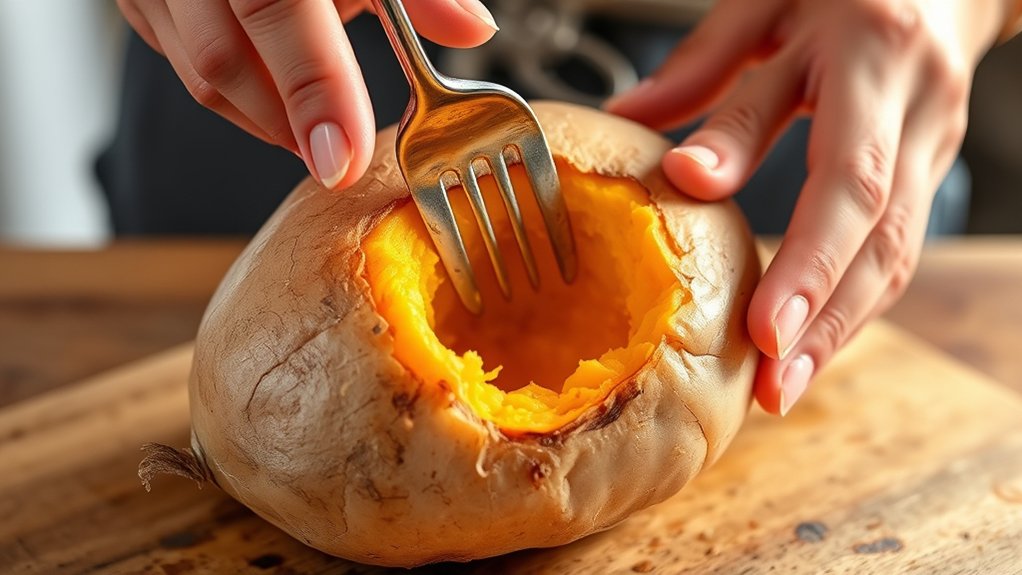
You can check tender yams with a fork test: slide it into the thickest part, and it should go in easily. If you meet much knife resistance, they need more time in the oven.
You can also check the texture; fully cooked yams should feel soft all the way through.
Fork Test
A fork gives you the quickest check for tender yams: slide it into the thickest part, and if it goes in easily with little resistance, they’re done. Use this simple test to judge yams texture and fine-tune oven timing without guessing.
- Pull the pan out carefully.
- Insert the fork into the center of the largest yam.
- Look for a smooth glide, not a hard push.
- Return them to the oven only if they still feel firm.
You want the flesh soft all the way through, but not mushy. If the fork meets a little drag, give the yams more time and test again soon.
Keep checking at short intervals so you don’t overcook them and lose their natural sweetness.
Knife Resistance
Want a more exact check than a fork? Use a small knife to gauge knife resistance in the thickest part of the yam. Slide it in gently; you’re aiming for light drag, not a hard push. That’s the clearest sign the center has softened and the oven texture is on track.
| Check point | What you feel | What it means |
|---|---|---|
| Tip enters | Barely any push | Needs more time |
| Blade slides | Mild resistance | Close to done |
| Blade pauses | Noticeable drag | Tendering well |
| Blade sinks | Very little resistance | Likely ready |
| Knife pulls out | Clean and easy | Good oven texture |
Test one or two yams, not every piece. Different sizes cook at different speeds, so trust the feel, then keep baking if the knife still fights back.
Texture Check
How do you tell when yams are truly tender? Use a texture check near the end of baking. You want the flesh to feel soft, not mushy, with just a little knife resistance at the center. Follow these quick steps:
- Slide a paring knife into the thickest part.
- If it meets firm resistance, bake a bit longer.
- If it glides in easily, the yam’s ready.
- Squeeze the skin gently; it should give slightly.
Don’t rely on the clock alone, because size and oven heat vary. Check each yam separately, since some finish sooner. When the texture feels even from edge to center, you can pull them out and let them rest before serving.
Finish Baked Yams With Butter and Spices
Once your yams are tender, split them open and let the steam escape for a minute. Use a fork to fluff the flesh, then add a pat of butter so it melts into every pocket.
For the best finish, season with two word idea 1 and two word idea 2, then add a pinch of salt. You can also sprinkle cinnamon, nutmeg, or a little black pepper if you want more depth.
Stir the toppings lightly into the hot flesh, but don’t mash it smooth; leave some texture. Taste a bite and adjust the butter or spices as needed.
If you like a sweeter profile, drizzle a little maple syrup. If you prefer savory yams, add more salt and pepper instead.
Serve them right away while they’re warm, creamy, and fragrant.
Roast Yam Cubes for Crisp Edges
Cut the yams into even cubes so they roast at the same pace, then toss them with a little oil, salt, and your choice of seasonings. Spread them on a lined baking sheet in one layer, leaving space between each piece so the heat can reach all sides. That spacing helps you get crisp edges and even browning without steaming the cubes.
- Preheat the oven to 425°F.
- Use a large sheet pan so the cubes don’t crowd.
- Flip them once halfway through roasting.
- Roast until the edges look golden and the centers feel tender.
You can keep the seasoning simple with pepper and paprika, or add garlic powder for more depth. Watch the last few minutes closely, since small cubes brown faster. When they’re done, let them rest briefly before serving so they stay nicely textured.
Fix Common Baked Yam Problems
If your baked yams aren’t turning out quite right, a few small fixes can make a big difference. If they’re mushy, lower the oven temperature and check them earlier; overbaking hurts yam texture.
If they’re dry, brush them with a little oil before baking and cover them loosely for part of the time. If the flavor falls flat, adjust the spice balance with salt, cinnamon, or a pinch of cayenne.
| Problem | Likely Cause | Quick Fix |
|---|---|---|
| Mushy center | Too much heat | Bake at 400°F |
| Dry edges | Not enough moisture | Add oil |
| Bland taste | Weak seasoning | Add salt and spice |
You can also cut pieces evenly so they cook at the same rate. If some parts brown too fast, move the tray to a lower rack. Taste a small piece near the end and stop when it’s tender but still holds shape.
Serve Oven-Baked Yams Your Way
You can top oven-baked yams with sweet options like butter, cinnamon, brown sugar, or maple syrup for a richer flavor.
If you’d rather keep them balanced, pair them with savory foods like roasted chicken, greens, or beans. Try both styles to see which way you like them best.
Sweet Toppings
A few sweet toppings can turn oven-baked yams into an easy dessert-like side or a simple meal. You can keep them simple and still get great flavor. Try these sweet toppings:
- Butter and cinnamon
- Maple syrup and pecans
- Brown sugar and nutmeg
- Marshmallows and a pinch of salt
Add toppings after the yams finish baking so they stay soft and rich. If you want extra caramelization, return them to the oven for a minute or two.
Check yam bake times so the centers stay tender before you add anything sweet. You can also mix toppings right on the tray for less cleanup.
With the right balance, your yams taste warm, cozy, and ready to serve any night.
Savory Pairings
For a less sweet take, pair oven-baked yams with savory flavors that balance their natural richness. You can top them with butter, black pepper, and flaky salt for simple depth, or add crumbled feta, goat cheese, or sharp cheddar for creamy contrast.
Fresh herbs like rosemary, thyme, and chives bring brightness, while roasted garlic adds mellow intensity. If you want more savory contrasts, serve your yams alongside grilled chicken, pork, or beans.
A spoonful of plain yogurt or sour cream can cool each bite. Finish with citrus accents like lime zest or a squeeze of lemon to cut through the starch. Keep portions balanced so the yams stay the star, and season gradually until the flavor feels right.
Frequently Asked Questions
Can I Cook Yams Without Foil?
Yes, you can cook yams without foil. Skip unnecessary wrapping and use alternative cooking methods like baking them directly on a lined tray, roasting, or microwaving. You’ll still get tender, flavorful yams.
Should I Pierce Yams Before Baking?
Yes, you should pierce yams before baking; it’s a small coincidence that the same fork marks also help steam escape.
For foil free baking, piercing yams keeps them from bursting and cooks them evenly.
Can I Bake Yams Ahead of Time?
Yes, you can bake ahead yams and store them airtight in the fridge for up to four days.
You’ll keep yam fruits moist if you reheat them gently, covered, until they’re hot through.
Do Oven-Baked Yams Need Peeling?
No, you don’t have to peel oven-baked yams. You can leave the skin on if you like the skin texture; it’s your peel preference.
Scrub them well first, then bake until tender and sweet.
How Do I Store Leftover Baked Yams?
Store leftover baked yams in an airtight container in the fridge for up to four days. You can also freeze them.
For reheating methods, warm them in the oven, microwave, or skillet until hot.
Conclusion
Now you’ve got the method, the seasonings, and the timing to make yams that shine. Will you go sweet with cinnamon and butter, or savory with salt and herbs? Either way, you can roast them until they’re tender, golden, and full of flavor.
Keep your cuts even, don’t crowd the pan, and you’ll get great results every time. Serve them hot, and enjoy a simple side that feels special.
With these tips, your oven-cooked yams will turn out perfectly every time, making a delicious addition to any meal.