Can You Put Pizza Box in Oven
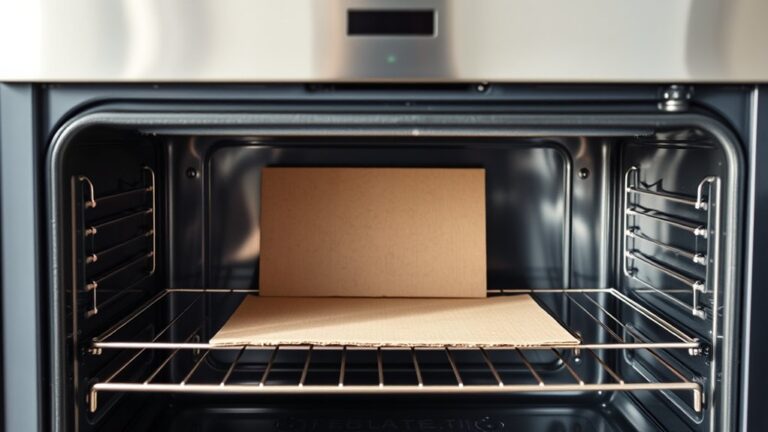
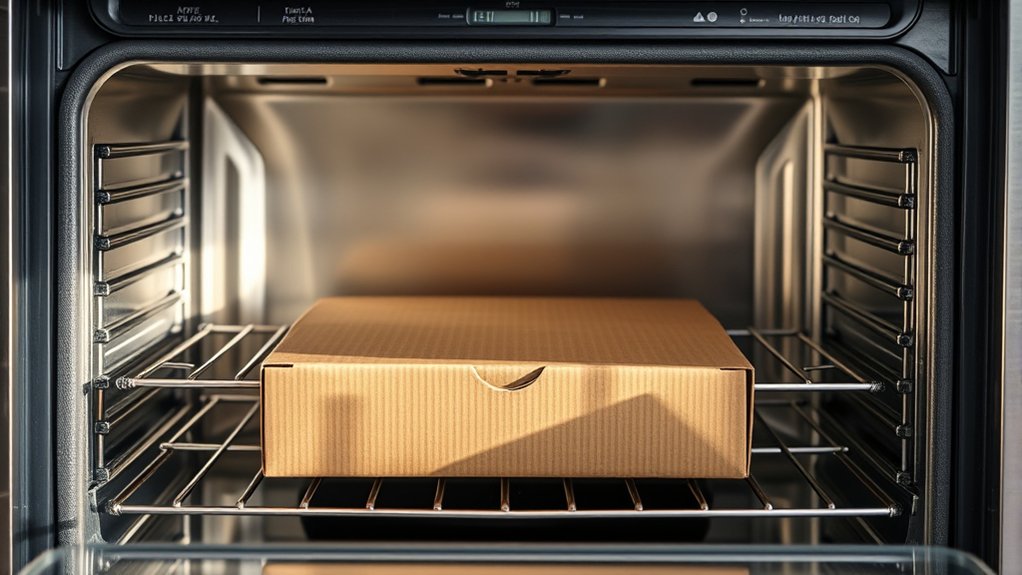
If you’re wondering, “Can you put a pizza box in the oven?” the safe answer is usually no. Most pizza boxes aren’t made to withstand heat, which makes them unsuitable for oven use.
Even a small amount of grease on the box can turn a simple warm-up into smoke or a fire hazard. While you may find a rare exception, it’s important to know what to look for before trusting any box near heat.
Key Takeaways
- Do not put a pizza box in the oven unless it is specifically labeled oven-safe.
- Standard pizza boxes can catch fire, scorch, or release smoke at oven temperatures.
- Remove the pizza and place it on a rack, baking sheet, pizza stone, or oven-safe tray.
- For keeping pizza warm, use foil, a clean plate, or a heat-safe container instead of the box.
- If a box is already in the oven and looks warped or stained, turn off the oven and transfer the pizza safely.
Can You Put a Pizza Box in the Oven?
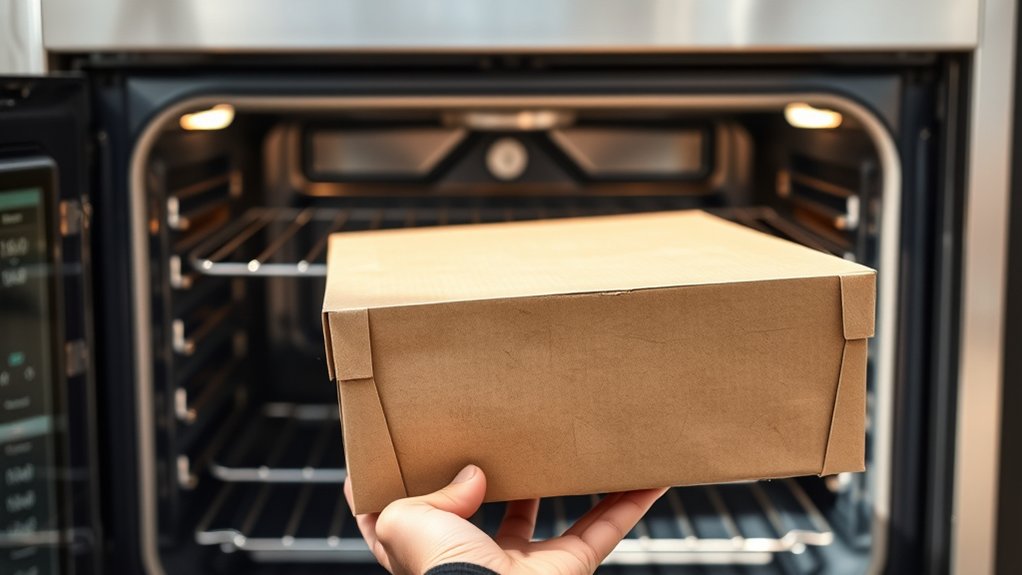
No, you shouldn’t put a pizza box in the oven unless the box is specifically labeled oven-safe. If you’re wondering can you put the whole box in, the safest answer is usually no.
Most pizza boxes aren’t designed for oven temperatures, and they can warp, smoke, or transfer unwanted chemicals to your food. For food safety, take the pizza out of the box and place it directly on an oven rack, baking sheet, or pizza stone instead.
If you only want to keep slices warm, use a clean plate, foil, or an oven-safe container. Always check the box for temperature instructions, grease stains, plastic liners, or inserts before you decide.
When in doubt, use a separate oven-safe surface. That keeps your pizza hot without risking your oven, your meal, or your safety.
Why Pizza Boxes Can Catch Fire
Pizza boxes can catch fire because cardboard ignites at relatively low temperatures, and an oven can get hot enough to push it past that point. You also have to consider grease, cheese, and sauce residue, which can heat unevenly and help a small hot spot spread.
Pizza boxes can catch fire because cardboard ignites at relatively low temperatures, and oven heat can push it past that point.
Thin packaging materials may dry out quickly, then brown, scorch, and eventually flame if they touch an element or sit too close to direct heat. Even when a box doesn’t burst into flames, it can smoke and release an unpleasant odor.
You should also think about recycling concerns, since food-soiled cardboard usually can’t go in recycling the same way clean boxes can. That contamination doesn’t make the box safer in your oven; it just means the material has already absorbed oils that can increase risk.
If you’re tempted to reheat pizza in the box, keep in mind that cardboard was made for transport, not high heat.
Are Any Pizza Boxes Oven-Safe?
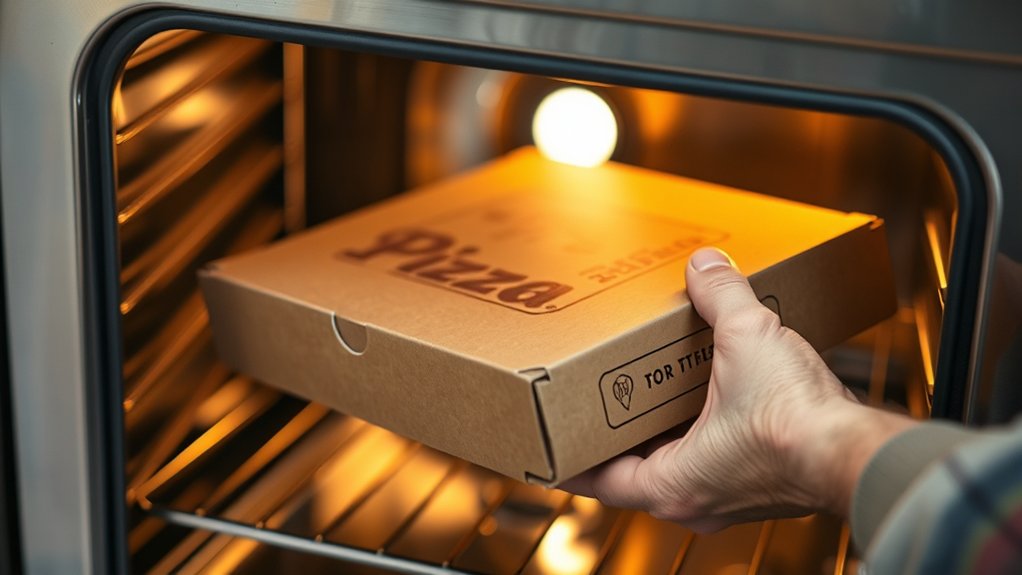
Some pizza boxes use plain cardboard, which isn’t made to handle oven heat safely. You should check the box material and look for any oven-safe marking before using it.
Even then, you need to stay within the box’s heat limits, because high temperatures can still cause scorching or fire.
Box Material Safety
A standard pizza box isn’t oven-safe, even if it’s made of plain cardboard. You can’t assume box materials are harmless just because the box looks simple.
Most boxes use inks, glue, grease-resistant coatings, or stapled tabs that may not belong near oven heat. For cardboard safety, treat the whole box as packaging, not cookware.
If you need to keep pizza warm, transfer the slices to an oven-safe tray or use foil on a rack. Avoid placing any box with plastic windows, shiny liners, or heavy ink coverage in the oven.
Those extras can make the material less predictable. When in doubt, check the manufacturer’s guidance or skip the box entirely.
Your safest move is to remove the pizza and heat only approved cookware, never the packaging.
Heat Tolerance Limits
Even if a pizza box seems sturdy, it usually can’t handle oven-level heat for long. You should assume most boxes soften, warp, or scorch around 400°F, and many fail sooner if they touch heating elements.
Some specialty boxes may tolerate brief warming, but you need the manufacturer’s guidance before trusting one. If you’re reheating pizza, transfer it to a baking sheet, stone, or oven-safe rack instead. That keeps you safer and gives better results.
Don’t get distracted by irrelevant tangents like whether the cardboard looks thick or printed with grease-resistant coating; those details don’t guarantee heat safety. Also ignore unrelated considerations such as saving the box for storage later.
Your priority is preventing smoke, fire, and food contamination, not preserving the carton.
How Do You Reheat Pizza Without the Box?
If you don’t have the box, you can still reheat pizza safely by using an oven-safe tray, skillet, or piece of foil. Choose the reheating method that fits your oven and the slice thickness.
No pizza box? Use an oven-safe tray, skillet, or foil to reheat slices safely.
For crisp crust, place the pizza on a preheated skillet or sheet pan at 375°F and heat it for 5 to 8 minutes. For a softer base, set the slices on foil and warm them until the cheese melts.
Keep an eye on the pizza so it doesn’t dry out or burn. Follow simple safety precautions: avoid cardboard, plastic, and printed paper, and never let toppings touch exposed oven elements.
If the slice looks dry, add a few drops of water to the pan’s edge, not the pizza itself. Use oven mitts when removing it, since even a short heating cycle can make the pan and cheese extremely hot.
How Do You Keep Pizza Warm Safely?
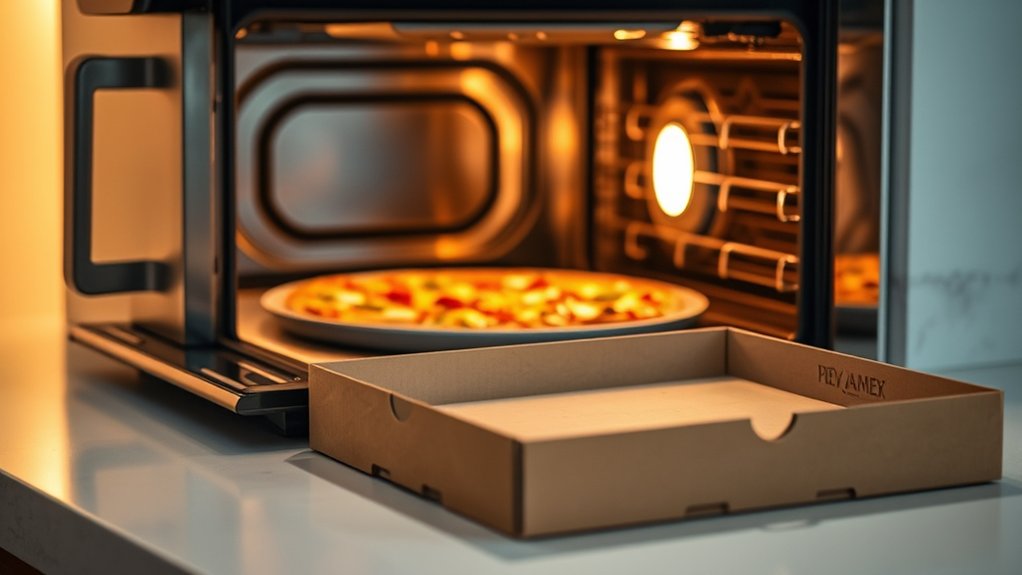
To keep pizza warm safely, you can hold it in a low oven, usually around 200°F, and move it to a heat-safe tray instead of leaving it in the box.
If you don’t want to use the oven, you can also cover it loosely with foil or use a warming drawer to help it stay hot. Just keep an eye on it so it doesn’t dry out or sit in heat too long.
Safe Oven Holding
Keeping pizza warm safely in the oven means using the lowest effective heat and giving the box no direct contact with flames, heating elements, or a hot oven floor. You should check the box for grease spots, labels, and plastic inserts before you decide anything, because food safety depends on clean, dry packaging.
If the box looks warped, damp, or heavily stained, don’t use it. You also need to consider packaging legality, since some boxes aren’t intended for oven use and can release odors or smoke.
Keep the oven setting low, watch it closely, and limit the warming time. Open the door briefly if you notice excessive heat. Your goal is to hold the pizza warm without drying it out, scorching the cardboard, or creating a fire risk.
Alternate Warming Methods
If you’d rather skip the oven box question altogether, there are safer ways to keep pizza warm. You can set slices on a wire rack inside a low oven, around 200°F, so steam doesn’t soften the crust.
If you’re waiting just 15 to 30 minutes, cover the pizza loosely with foil and use a clean kitchen towel over the pan for alternate insulation. Keep the box away from heat if you’re unsure about cardboard handling, since grease and labels can make it less predictable.
A warming drawer works well too, as long as it stays below drying temperatures. For transport, use an insulated bag or wrap the box in towels. Check the pizza often, and don’t let it sit hot for long periods, because texture and food safety both decline.
What Should You Do If It Already Went In?
First, turn the oven off and carefully open the door to check the box. If you see browning, smoke, or a hot edge, remove it with tongs or oven mitts. Move the pizza to a clean tray or plate right away.
Turn off the oven, inspect the box for smoke or browning, and move the pizza to a clean plate.
Watch for an overheating risk, because cardboard can scorch fast and spread odor. If any grease, ink, or burned fiber touched the pizza, consider box contamination and discard the affected slices.
- Turn off heat immediately.
- Lift the box out safely.
- Inspect for charring, smoke, or melting.
- Transfer the pizza to a safe surface.
If the box only warmed briefly and stayed intact, the pizza may still be fine. Still, don’t put the box back in. Vent the kitchen, check the oven for debris, and clean any residue once it cools.
If you’re unsure, trust the smell and look before you eat.
Frequently Asked Questions
Can Pizza Box Ink Release Harmful Fumes in the Oven?
Yes, pizza box inks can release harmful fumes in the oven, especially if you heat them. You should avoid this risk, check inks safety, and watch for oven fumes.
Transfer pizza elsewhere and use a safe dish.
Does Foil Under Pizza Make Oven Reheating Safer?
No, foil under pizza isn’t a miracle shield. You’ll improve electric safety a bit, but cardboard materials still shouldn’t touch heat.
You’re safer reheating on a tray or stone, not in the box.
How Long Can Pizza Stay Warm in a Turned-Off Oven?
You can keep pizza warm in a turned-off oven for about 30 to 60 minutes, but watch pizza box safety and follow oven reheating guidelines. After that, quality drops and bacteria may grow.
Can a Greasy Pizza Box Ignite Faster Than a Clean One?
Yes, you’re at greater fire risk with a greasy box; grease can lower ignition delay. I once saw a stained napkin smolder faster than a clean one, which showed how residue can speed heat buildup.
Are Cardboard Pizza Boxes Recyclable After Oven Contact?
Yes, you can recycle oven-touched cardboard only if it’s clean and unburned, but you’ll need to check local rules. For oven safety, avoid scorched boxes; they create recycling hazards and contamination.
Conclusion
So, can you put a pizza box in the oven? Usually, no—unless you enjoy turning dinner into a smoky disaster. Most pizza boxes can warp, scorch, or even catch fire, especially with grease or cheese residue.
Instead, pull the pizza out and use a baking sheet, stone, or oven-safe plate. These options are much safer and will help keep your food intact.
If the box already went in, keep calm, turn the oven off if needed, and remove it carefully once it’s safe. To avoid any hazards, it’s best to avoid putting a pizza box in the oven altogether.