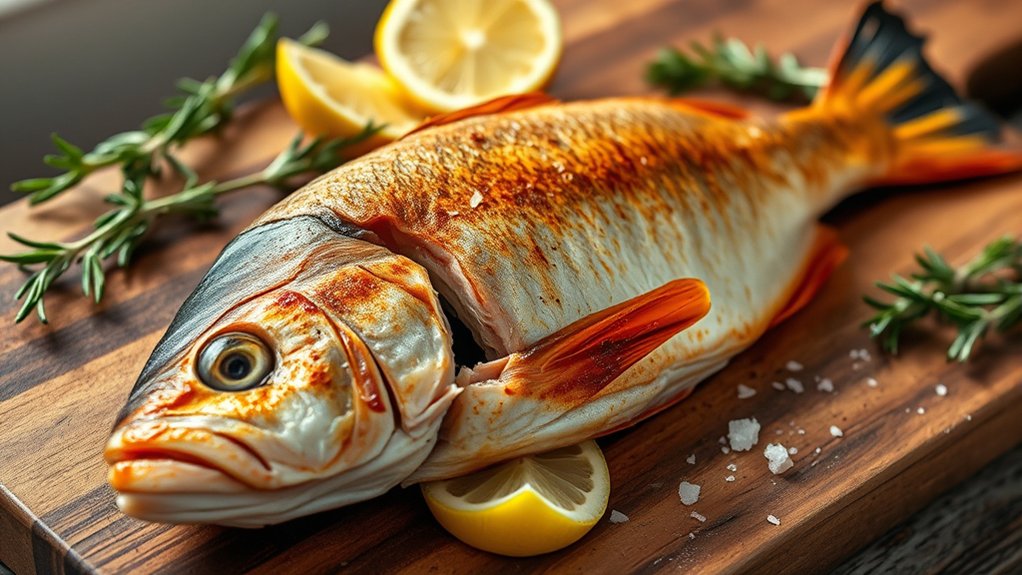
How Long to Cook Fish in Oven
When you cook fish in the oven, knowing how long to cook fish in the oven is essential, but you can’t rely on time alone. Thickness, cut, and temperature all affect the final result.
You’ll get better control by matching delicate fillets, lean fish, or whole fish to the right heat. Always check for opaque, flaky flesh near the bone to determine doneness.
The difference between moist and overdone often comes down to just a few minutes. Paying attention to these details makes all the difference in your cooking.
Key Takeaways
- Fillets usually bake 10–15 minutes in a preheated oven, depending on thickness.
- Whole fish or thicker cuts usually need 20 minutes or more.
- Bake most fish at 350°F to 400°F for even cooking and moisture retention.
- Fish is done when it turns opaque and flakes easily with a fork.
- Check the thickest part early, since carryover heat finishes cooking after removal.
How Long to Cook Fish in the Oven
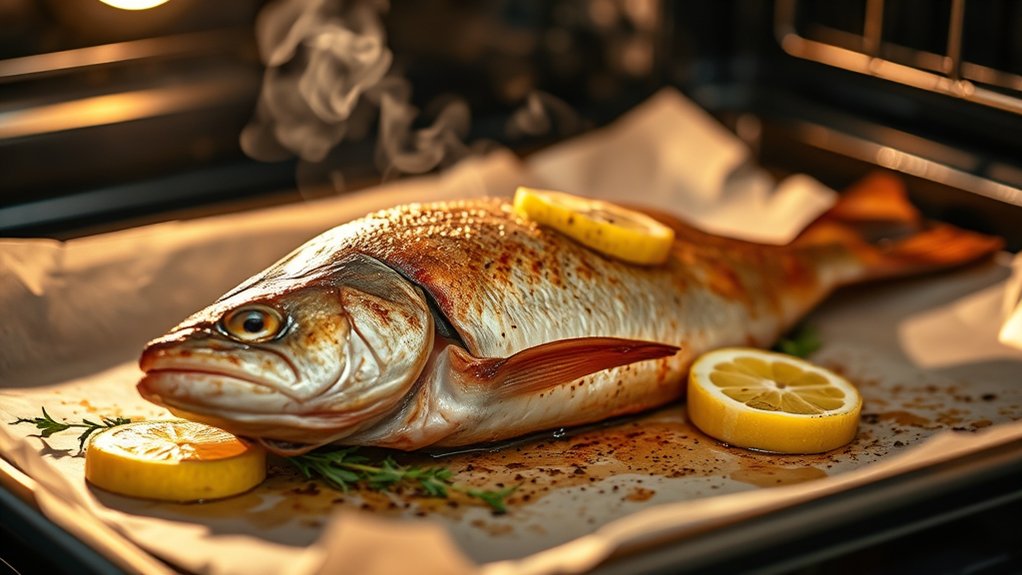
How long you cook fish in the oven depends mostly on the thickness of the fillets or whole fish, the oven temperature, and the type of fish you’re using. For a standard fish fillet, you’ll usually need about 10 to 15 minutes in a preheated oven, while thicker cuts or a whole fish may take 20 minutes or more.
You should check for doneness early, because fish dries out quickly once it’s fully cooked. Look for opaque flesh that flakes easily with a fork and reaches the point where it separates without resistance.
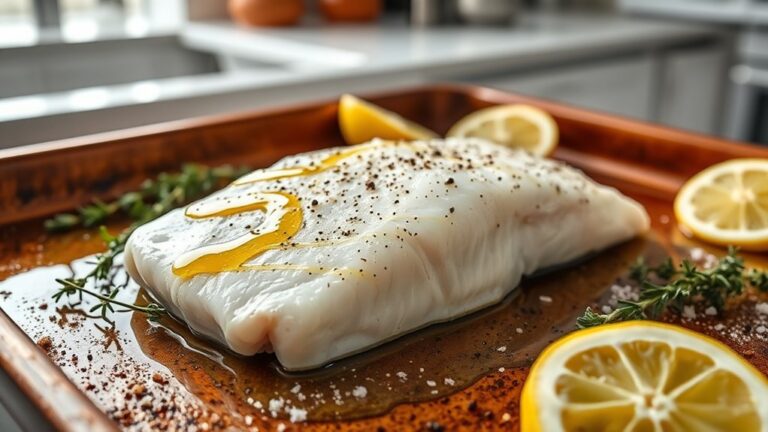
If you’re cooking multiple pieces, keep them similar in size so they finish at the same time. Use a lined baking sheet or parchment to simplify oven cleanup and prevent sticking.
Let the fish rest briefly before serving so the juices settle and the texture stays moist.
Best Oven Temperatures for Fish
You can bake fish low and slow at 275 to 300°F when you want gentle heat that helps delicate fillets stay moist and tender.
For most fish, 350 to 400°F gives you a reliable medium-heat range that cooks evenly without drying the flesh.
If you want extra color or crisp edges, you can finish at 425 to 450°F for a short burst, but you’ll need to watch it closely.
Low And Slow Baking
For delicate, flaky fish, low-and-slow baking usually means setting the oven between 275°F and 325°F, which gives the fillet time to cook through evenly without drying out. You should use a low temperature when you want a gentle slow roast that protects tender flesh like sole, cod, or halibut.
This method works best when you season the fish lightly, add a small amount of fat, and keep the pan covered or loosely tented to limit moisture loss. Because the heat stays restrained, the fish cooks steadily and stays more intact. Watch closely near the end, since the flesh should turn opaque and separate easily with a fork. Remove it as soon as it reaches that point, and let carryover heat finish the job.
Medium Heat Standard
A medium oven, usually set between 350°F and 400°F, gives most fish the best balance of speed and control. You should use this range when you want even cooking without drying the fillet or leaving the center underdone. It supports clean flakes, mild browning, and steady moisture retention.
| Temperature | Best Use |
|---|---|
| 350°F | Delicate fillets, thicker cuts |
| 375°F | Most standard recipes |
| 400°F | Faster cooking, firmer texture |
At this heat, you can build texture contrast by pairing crisp toppings with tender flesh. You’ll also get reliable aroma pairing from herbs, citrus, and butter because the oven stays hot enough to release flavor without overpowering the fish.
High Heat Finishing
High heat finishing works best when you want the fish to brown quickly without overcooking the center. You should set your oven between 425°F and 475°F, depending on thickness and fat content.
Lean fillets like cod or halibut benefit from 450°F to 475°F, while salmon and other oily fish can handle the upper range and stay moist. Use a preheated sheet pan or cast-iron skillet to improve crust textures, then finish the fish for just 6 to 12 minutes.
Check early, because carryover heat keeps cooking after you remove it. This method also supports bold spice pairings, such as paprika, cumin, dill, or citrus pepper, which roast fast and build flavor without burning.
Cook Fish by Thickness, Not Time
You should measure each fillet’s thickness before it goes into the oven, because size changes cooking time more than species alone. A thin piece cooks much faster than a thick one, so adjust your timing based on the thickest part of the fish.
This approach helps you avoid overcooking the edges while the center reaches the right doneness.
Measure Fillet Thickness
How thick is your fillet? Measure it at the widest point with a ruler or the flat side of a thermometer probe, then note the number in inches. A thick fillet needs more time than a slim cut, so you shouldn’t guess.
| Thickness | Action |
|---|---|
| 1/2 inch | Check early |
| 3/4 inch | Standard timing |
| 1 inch | Expect longer bake |
| Over 1 inch | Confirm bone removal |
If you’re working with bone-in fish, remove the bones before measuring, because they can distort the reading and slow heat transfer. Measure only the fleshy portion, not any tapered tail.
That single measurement lets you cook with precision and avoid dry edges or underdone centers.
Adjust Cooking By Size
Cook fish by thickness, not by the clock, because size determines how quickly heat reaches the center. You’ll need to adjust oven timing for thinner or thicker pieces, since a one-inch fillet cooks faster than a two-inch steak. Use adjusted portions so each piece matches its own cooking profile, and keep spacing even for consistent heat circulation.
Thin fillets need less time and more frequent checks. Thick steaks benefit from lower heat and a longer finish. Smaller portions can dry out quickly, so watch closely. Larger cuts may need brief rest time after baking.
Check for opaque flesh that flakes easily, then remove it promptly. This method helps you control doneness, preserve moisture, and avoid overcooking without guessing.
How Long to Bake Fresh Fish Fillets
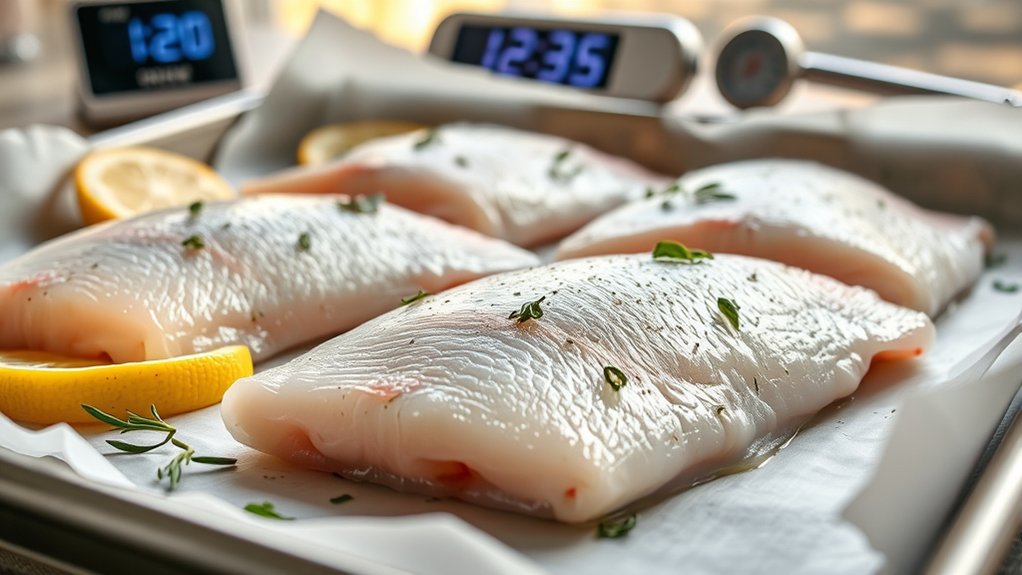
Fresh fish fillets usually bake in a 375°F to 425°F oven for 10 to 15 minutes, depending on thickness. You should check for doneness early, since misleading timelines can overcook delicate fillets fast.
A fork should separate the flesh easily, and the center should turn opaque but still look moist. If you’re baking thin fillets, start checking at 8 minutes; thicker cuts may need the full 15.
Use a light oil or butter coating to protect surface moisture and promote even browning. Season simply so the fish’s natural flavor stays clear, or choose smart flavor pairings such as lemon, dill, garlic, or paprika.
Keep the fillets in a single layer on a lined sheet pan, and avoid crowding them. Once they’re done, rest them briefly before serving so the juices settle and the texture stays tender.
How Long to Bake Whole Fish
When you bake a whole fish, plan on about 10 to 15 minutes per inch of thickness at 400°F to 425°F, though the exact time depends on its size and shape. You’ll know it’s done when the flesh turns opaque and flakes easily near the backbone, with an internal temperature of 145°F.
For the best results, check the thickest part of the fish early so you don’t overcook it.
Whole Fish Bake Time
How long should you bake a whole fish? For most whole fish, your bake time ranges from 20 to 30 minutes at 400°F, depending on size and thickness. You should plan for smaller fish to finish sooner and larger fish to need a few extra minutes.
Keep your oven fully preheated so the fish cooks evenly. Use a rimmed pan or baking dish that supports the fish without crowding it.
- 1-pound whole fish: about 15 to 20 minutes
- 2-pound whole fish: about 20 to 25 minutes
- 3-pound whole fish: about 25 to 30 minutes
- Thicker fish: add 5 minutes as needed
If you use foil or parchment, seal it well so the whole fish cooks steadily and stays moist throughout.
Doneness And Temperature
For the most reliable doneness, bake whole fish until the thickest part reaches 145°F and the flesh turns opaque and flakes easily with a fork. You should verify the temperature with an instant-read thermometer inserted near the backbone, not touching bone, because surface color alone can mislead you.
Look for clear doneness cues: firm flesh, the eyes turning cloudy, and the fins loosening slightly. If your fish is small, start checking a few minutes early so you don’t overcook it.
For oven safety, use a stable baking dish, handle hot pans with mitts, and keep the oven door closed as much as possible to maintain heat. Rest the fish briefly before serving so juices redistribute and texture stays moist, tender, and consistent.
How to Bake Frozen Fish in the Oven
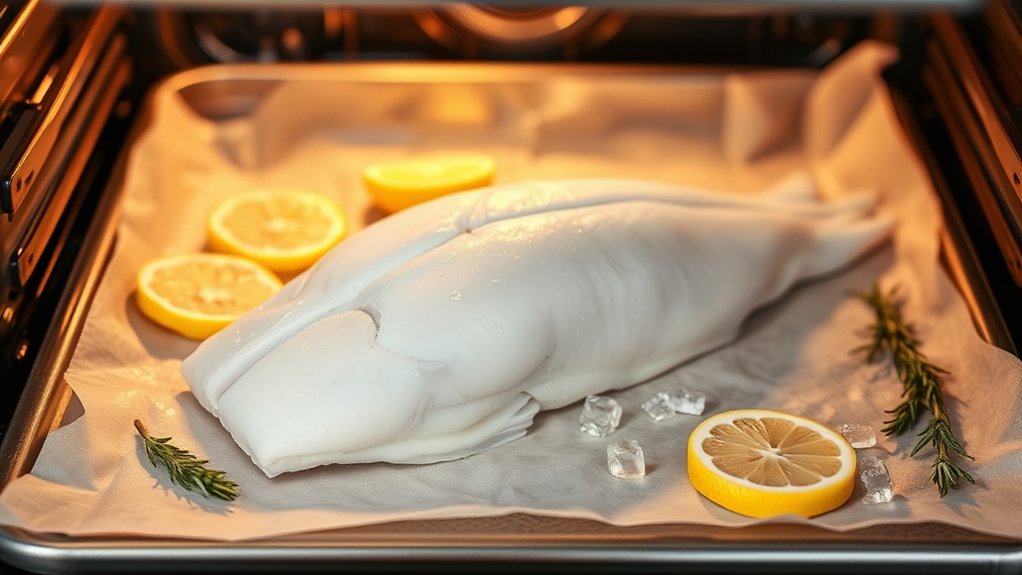
Cooking frozen fish in the oven is simple, and you can get tender, evenly cooked results without thawing it first. Preheat your oven to 400°F, a reliable choice among oven temperatures for most frozen fish fillets.
Place the fish on a lined baking sheet, brush it lightly with oil, and season it after the first few minutes so spices don’t slide off. If the fillets are thick, cover them loosely with foil for the first half of cooking to help them heat through evenly.
- Use parchment for easy cleanup.
- Space pieces apart for better airflow.
- Add lemon, herbs, or garlic for clean flavor.
- Increase time slightly for breaded fillets.
Bake until the fish flakes easily when pressed and looks opaque throughout. For best texture, avoid overcrowding and keep the heat steady.
How to Tell When Fish Is Done?
The easiest way to tell fish is done is to check both texture and appearance: it should turn opaque and separate into flakes when you press it gently with a fork. You can also test the thickest part; if it looks translucent, give it more time. Use this quick guide:
| Sign | What to Look For | Action |
|---|---|---|
| Color | Opaque throughout | Remove from oven |
| Texture | Flakes easily | Rest briefly |
| Center | Slightly moist, not raw | Serve soon |
| Aroma | Clean, mild scent | Pair carefully |
| Surface | Lightly firm | Add flavor pairings |
If you’re using oil alternatives, note that they don’t change doneness; they only affect browning and mouthfeel. Keep checking near the end, because fish can go from perfect to dry fast.
For precise results, cut into the center only once and avoid repeated poking. Use the table above to judge doneness confidently and serve at peak quality.
What Toppings Change Fish Bake Time
Toppings can change fish bake time by adding moisture, insulation, or thickness, so you’ll need to adjust based on what sits on top. You should treat topping timing as part of the cooking plan, not an afterthought. Dense toppings slow heat transfer, while light coatings finish faster.
Keep seasoning balance in mind so the topping supports the fish instead of masking it.
- Crumbs and Parmesan create a thicker crust and usually add a few minutes.
- Tomatoes, salsa, or citrus slices release liquid and can extend bake time.
- Butter, mayonnaise, or pesto form a rich layer that may brown before the fish finishes.
- Vegetables on top, like onions or peppers, add mass and need extra oven time.
Check the thickest section early when you use toppings. If the surface browns too quickly, tent it loosely. Match the topping to the fish’s thickness for consistent results and accurate doneness.
How to Keep Fish Moist in the Oven
Keeping fish moist in the oven starts with controlling heat, time, and surface protection, especially after choosing any topping that can speed browning or slow cooking. You should bake fish at a moderate temperature and rely on moisture tracking to judge doneness, not guesswork.
Check the thickest section with a thermometer; pull the fish when it reaches the target temperature, since carryover heat will finish the center. Brush the surface with oil or butter, then cover it loosely with parchment or foil if the fillet is lean or thin.
This barrier helps limit evaporation and supports aroma preservation, so the fish tastes fresh and clean. You can also add a small amount of liquid to the pan for gentle steaming.
Let the fish rest briefly after baking, because that redistributes juices. Avoid repeated opening of the oven door, which drops heat and dries the flesh.
Common Fish Baking Mistakes to Avoid
What goes wrong most often when you bake fish? You usually overcook it, season it too late, or use the wrong pan. Fish cooks fast, so you need to watch timing closely and check doneness before the center turns dry.
Fish cooks fast, so watch timing closely and pull it before the center turns dry.
You should also avoid crowding fillets, because trapped steam can soften the surface and dull flavor. If you bake fish straight from the fridge, give it a few minutes at room temperature so it cooks evenly.
Don’t skip drying the fish; excess moisture hurts browning. Don’t use high heat for delicate fillets; they can toughen fast. Don’t rely only on color; test flake and tasting texture carefully. Don’t ignore thickness differences; adjust time for each piece.
Smart budget planning helps you choose the right cut and reduce waste. When you avoid these mistakes, you get cleaner flavor, better texture, and more consistent results every time.
Frequently Asked Questions
Can I Bake Fish With the Skin On?
Yes, you can bake fish skin on. You’ll get better moisture and texture with skin on options, especially on a parchment free bake.
Pat the skin dry, season well, and place it skin-side down.
Should I Cover Fish With Foil While Baking?
You can cover fish with foil when you want moisture retention and gentler cooking; leave it uncovered for browning control and a lightly crisp surface.
Use foil loosely, then uncover briefly to finish.
Do I Need to Flip Fish Halfway Through Baking?
No, you usually don’t need to flip fish halfway through baking. You can keep it in one piece, especially with skin on baking or foil flipping.
Let the oven’s steady heat finish the job cleanly.
Can I Bake Fish on Parchment Paper?
Yes, you can bake fish on parchment paper; it helps prevent sticking and simplifies cleanup. Use baking parchment for even heat.
For skin on cooking, place fish skin-side down and avoid overcrowding.
How Long Should Fish Rest After Baking?
You should let fish rest about 3 to 5 minutes after baking; this rest time lets juices settle, reduces texture changes, and helps you serve firmer, cleaner slices with better flavor.
Conclusion
To cook fish in the oven, remember this: thickness matters more than the clock. Most whole fish need about 10–15 minutes per inch at 400–425°F, and many finish in 20–30 minutes.
That’s a helpful rule because overcooking dries fish fast. You’ll know it’s done when the flesh turns opaque and flakes easily. Use the right temperature, check early, and let it rest briefly to lock in moisture and flavor.
By following these tips, you can ensure perfectly cooked fish in the oven every time.